
Deciding whether to upgrade from the Pixel 9 to the Pixel 11 isn’t a straightforward call. With many 24-month cell plans reaching their end, now is a fitting moment to weigh whether the newer hardware justifies the switch. The short answer depends on how much value you place on a handful of refinements rather than sweeping changes.
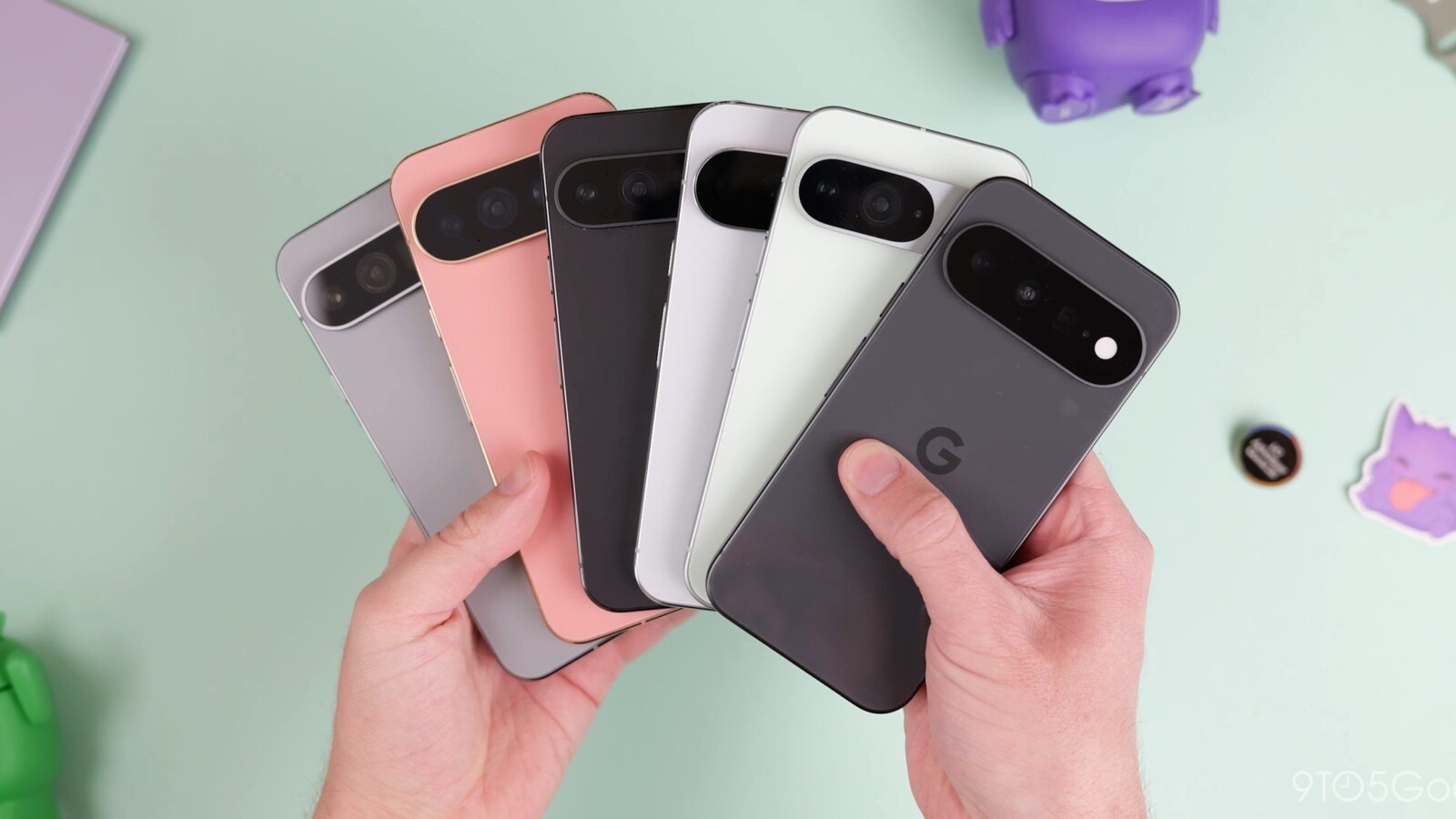
The most immediate takeaway is that the design barely moves. The Pixel 9 Pro and Pixel 11 Pro look nearly identical, and owners could easily mistake one for the other. Non-Pro models show slightly more noticeable changes, but across the lineup the overall look stays consistent.
Displays, Design, and Hardware Differences
Every Pixel 11 display improves over its Pixel 9 counterpart, though not dramatically. Peak brightness climbs roughly 10% on the standard model, while the Pro variants gain about 20% at maximum brightness. There’s no bezel reduction and no new screen tuning beyond the added brightness, so the experience remains familiar with a brighter panel.
Core frame dimensions are unchanged, with identical height, width, and thickness. The only visible physical difference is the reshaped and resized camera bar, which means older cases won’t fit the new phone. Weight stays within 1 gram between the Pixel 9 and Pixel 11, but the Pixel 11 Pro and Pro XL run nearly 10 grams heavier than their predecessors. That extra mass likely stems from marginal battery increases, the addition of Pixelsnap magnets, and internal changes that also improve thermals. A well-chosen case can replicate much of the Pixelsnap functionality on the Pixel 9.
Software, Performance, and Storage
A defining separation between the two generations is Gemini Intelligence, which features prominently on the Pixel 11 and brings functionality that may never reach older devices unless Google changes course. The decision comes down to how much you value AI-driven tools such as App Automation, Rambler, enhanced Proactive Assistant responses, and messaging replies, along with other features introduced on the Pixel 10.
Some of these additions amount to little more than fluff, while others are genuinely useful. Whether they meaningfully improve daily use remains to be seen. The jump from the Tensor G4 to the Tensor G6 chip may also fall short of compelling for many users. Neither processor is a performance powerhouse, but both handle typical tasks competently.
Faster storage may prove the more significant factor in the equation, since apps load more quickly on the newer device. The Pixel 11 also ships with a 256GB base model, giving buyers more starting capacity out of the box.
Source
Image: 9to5google.com