

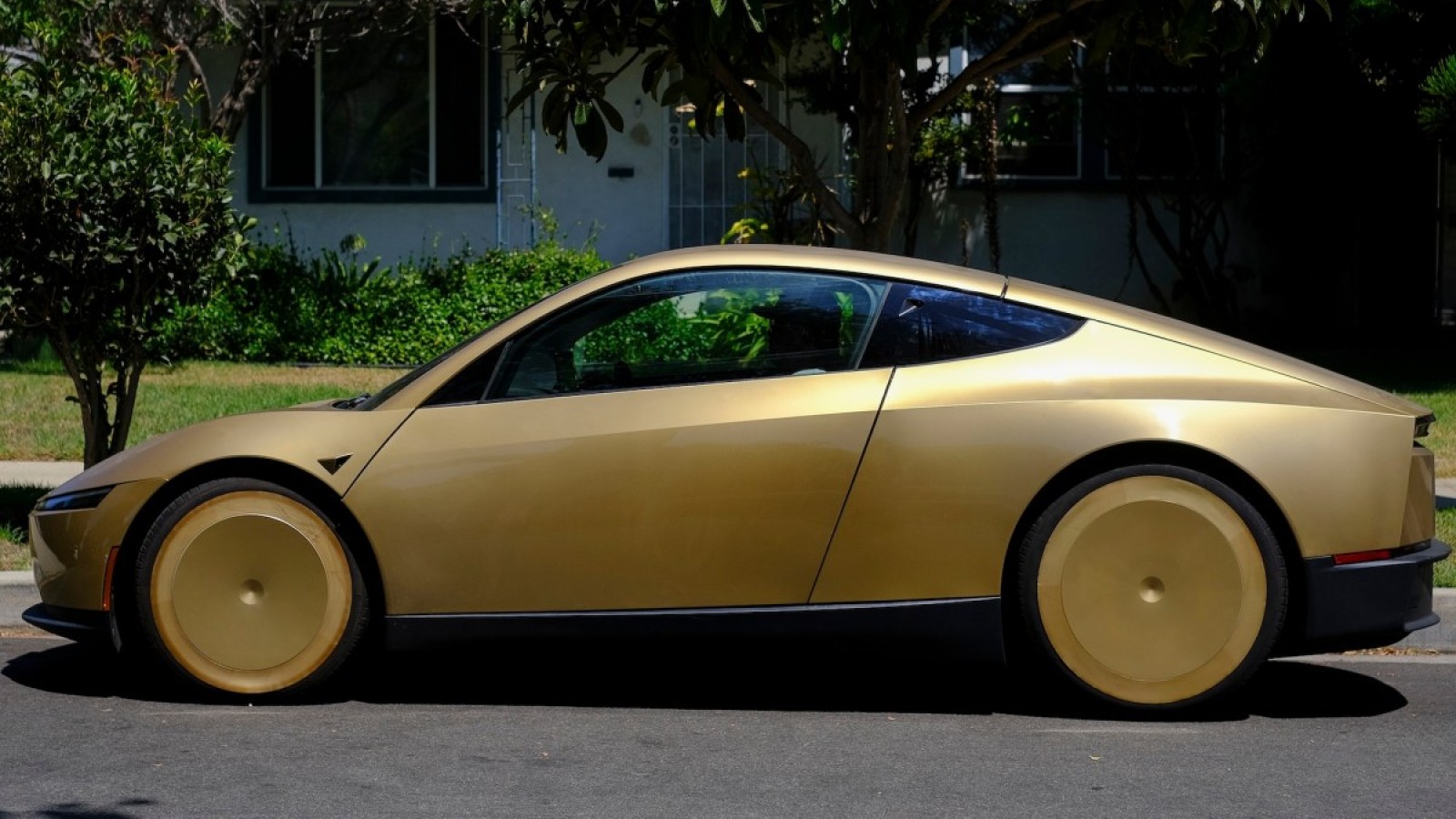
The Tesla Cybercab has officially hit public roads in Austin, Texas, but the debut has already run into a federal roadblock. Just hours after Tesla deployed its first driverless vehicles, the National Highway Traffic Safety Administration opened an investigation into the company.
The Cybercab, which is designed without a steering wheel or pedals, faces scrutiny because federal vehicle safety regulations require manual controls such as brake pedals. The Department of Transportation has recently proposed removing those requirements for vehicles built to drive themselves, but that change is not yet in effect.
A Quiet Launch and a Regulatory Snag
Tesla chose to self-certify the Cybercab, the standard route automakers take for traditional human-driven vehicles. The NHTSA responded by tapping the brakes, though Tesla may continue operating while the investigation proceeds. There is precedent for the agency’s action.
The rollout followed an unusually subdued Cybercab event in Austin that lacked the festival-like atmosphere of past Tesla launches. CEO Elon Musk did not attend, a notable absence given his years of arguing that Tesla’s future and its valuation depend on robotics and AI. Wall Street was unimpressed, and the event did little to boost confidence in the company’s robotaxi ambitions.
Scale Remains the Real Test
The central question is whether Tesla can launch a robotaxi service safely and at scale. For now, the company’s fleet is small compared with rival Waymo. As of the launch, Tesla had registered just 45 Cybercabs in Texas, according to the state’s automated vehicle tracker.
Tesla has published several guides detailing the vehicle, including a notice that the robotaxi is not intended for children. The company has also signaled interest in selling the autonomous vehicles to fleet operators.
Mobility Deals Roundup
Several transportation deals moved forward alongside the Cybercab news. German insurer Allianz is in talks with advisors about acquiring AA, the U.K.-based roadside assistance organization, for £5 billion (about EUR 6 billion), according to reporting from SkyNews.
Alteon, a Bengaluru-based startup building autonomous aircraft inspired by dynamic soaring, raised EUR 2 million in a pre-seed round led by solo investor Lachy Groom, with participation from Together Fund.
Delivery Hero’s board approved Uber’s EUR 13 billion takeover offer and recommended that shareholders back the deal. Easy Aerial, a maker of autonomous tethered drone systems for aerial surveillance, raised EUR 17 million in a Series B round with participation from Insight Partners, Entrée Capital, and other private U.S. investors.
Source
Image: techcrunch.com