
Before heading out on vacation, most people run through a familiar checklist: switch off the lights, lock every door, and ask a neighbor to keep an eye on package deliveries. One item often gets overlooked, though, and getting it wrong can cost you. Should you turn off your air conditioner while you’re away, or set it to a specific energy-saving temperature? According to an HVAC professional, shutting it down entirely is the wrong move.
Why Turning Off the AC Can Backfire
Cutting power to your cooling system may seem like an easy way to trim your energy bill, but it can create bigger problems. “If your home overheats, you risk damage to your electronics, losing houseplants and unsafe conditions for pets,” said Erin Katz, operations manager at Allen Service, a Colorado company that provides HVAC, plumbing, and electrical work.
There’s also a hidden cost when you get back. A home that has been left to heat up forces the air conditioner to work far harder to return to a comfortable temperature. That added strain can wear down the system or the AC unit itself over time.
The Ideal Vacation Temperature Setting
Rather than shutting the system off, the smarter approach is a small adjustment that keeps it from running constantly. “I recommend setting it a few degrees warmer than you would when you’re at home,” Katz said, suggesting 75 degrees Fahrenheit instead of 70. This uses less energy while preventing the house from becoming dangerously hot.
The key is stability. “The goal is to pick a slightly warmer but stable temperature that your system can maintain without too much trouble while you’re away,” Katz explained. “It uses far less energy to make micro adjustments than it does to turn the system on and off, or ask it to make a big change, such as going from 85 degrees Fahrenheit to 70 degrees Fahrenheit when you get home.”
Why a Smart Thermostat Helps
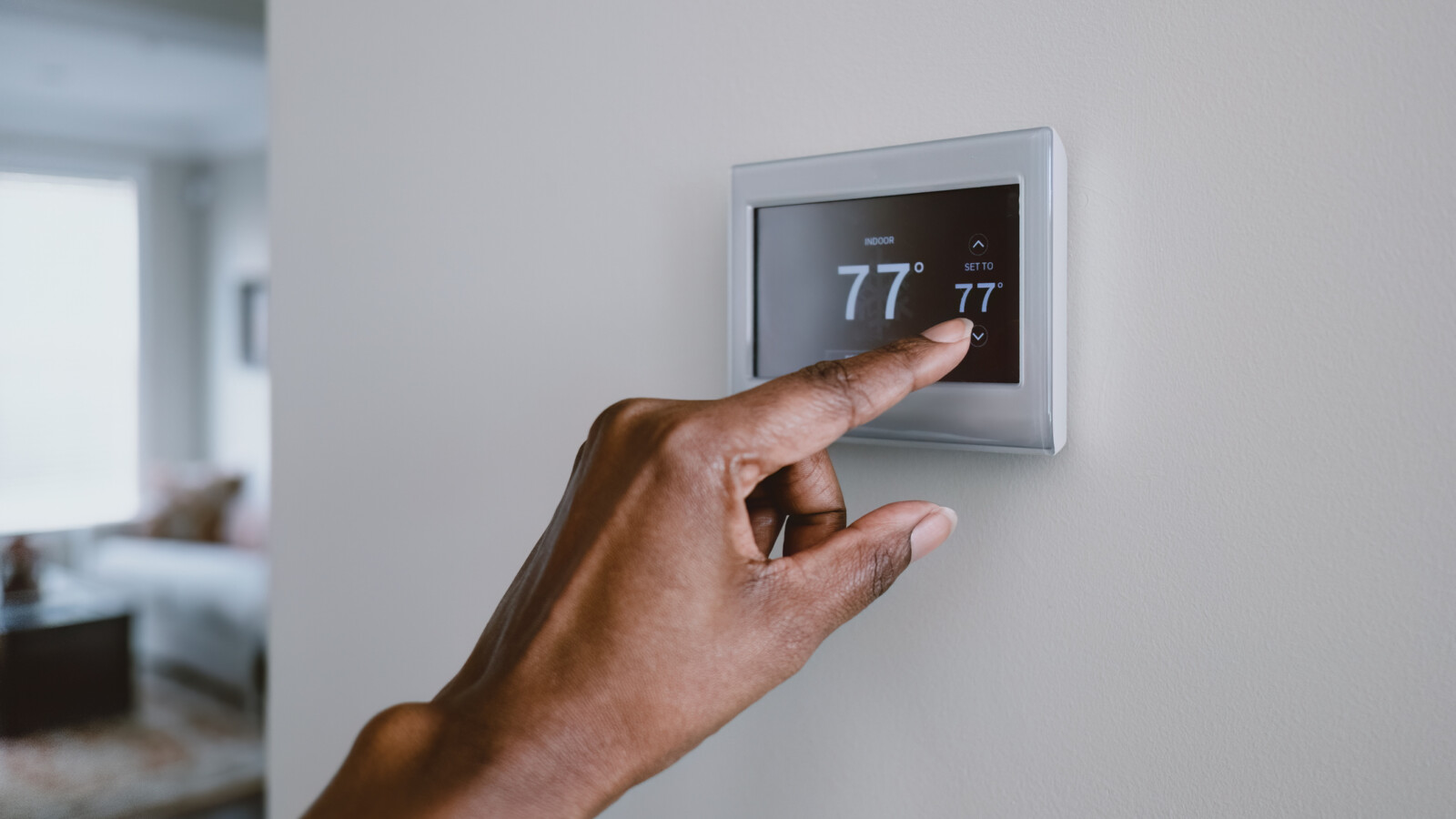
For travelers who want full control from anywhere, a smart thermostat is the best tool for the job. “They are great for optimizing your energy usage,” Katz said. These devices connect to companion phone apps, letting you change your home’s temperature remotely no matter where you are.
Smart thermostats also include scheduling features that automate temperature changes throughout the day. That automation keeps a home at an ideal temperature and helps ensure it never gets too hot or too cold, even during an extended trip. The result is a system that protects your electronics, plants, and pets while keeping energy costs in check, all without demanding a major recovery effort when you walk back through the door.