
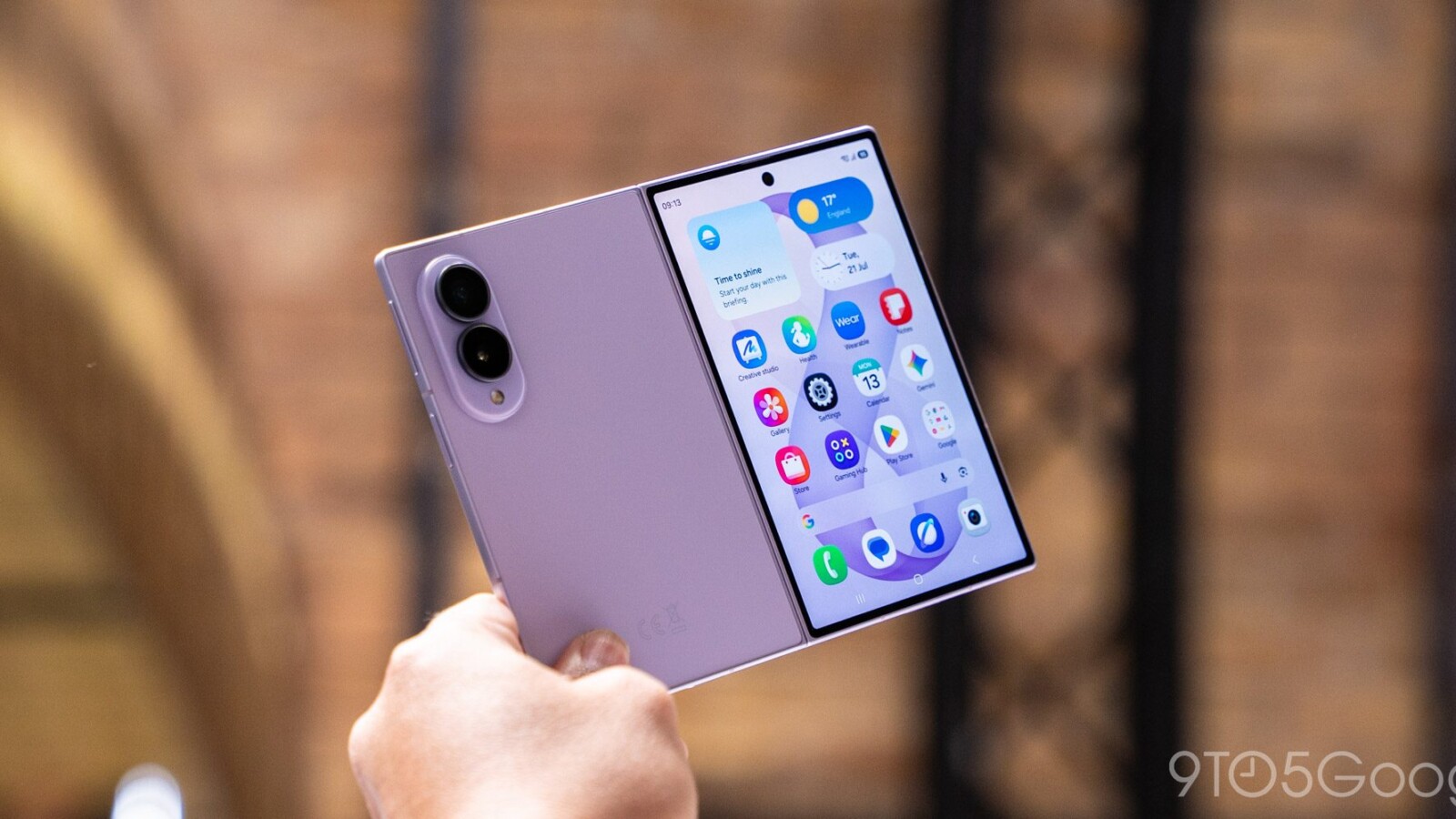
The Samsung Galaxy Z Fold 8 has become such a runaway success that Samsung is now pulling component production away from its 2027 smartphones just to keep up with demand for the foldable.
According to a new report out of Korea, Samsung has hit a manufacturing ceiling in its effort to ramp up Galaxy Z Fold 8 output. Demand for the device has significantly outpaced the company’s initial supply, leading to shipping delays that appeared almost immediately after launch. In response, Samsung set a goal to produce an additional one million units.
Why Samsung Is Borrowing From 2027 Production
The bottleneck centers on Display Driver ICs (DDIs), a critical component built by Taiwan-based semiconductor foundry UMC using a 22nm process. The partner has reportedly reached its production limit for these parts. To work around the shortage, Samsung is redirecting DDI volume that had already been secured for its 2027 products toward the Galaxy Z Fold 8 instead.
Importantly, Samsung is not simply repurposing components designed for other phones. Each DDI is manufactured specifically for an individual phone model, so it is the production capacity, rather than the parts themselves, that is being reallocated. That distinction still marks a significant shift in Samsung’s supply strategy. The company has also requested a super hot run, an express manufacturing service, for the Fold 8’s DDIs to help meet demand more quickly.
A Growing Foldable Market
The supply crunch arrives as the Galaxy Z Fold 8 is partially out of stock on Samsung.com in the United States. The device continues to fuel a rapidly expanding foldable segment. Industry analyst Omdia reported this week that foldable shipments are expected to double by 2028, reaching roughly 36 million units.
Samsung has also confirmed record-breaking sales figures for the Galaxy Z Fold 8, and the company says the device is even convincing existing Z Flip owners to switch over to the larger foldable form factor. The Fold 8’s new shape has been positioned as a design aimed at a broader mainstream audience rather than a niche group of power users.
Source
Image: 9to5google.com