

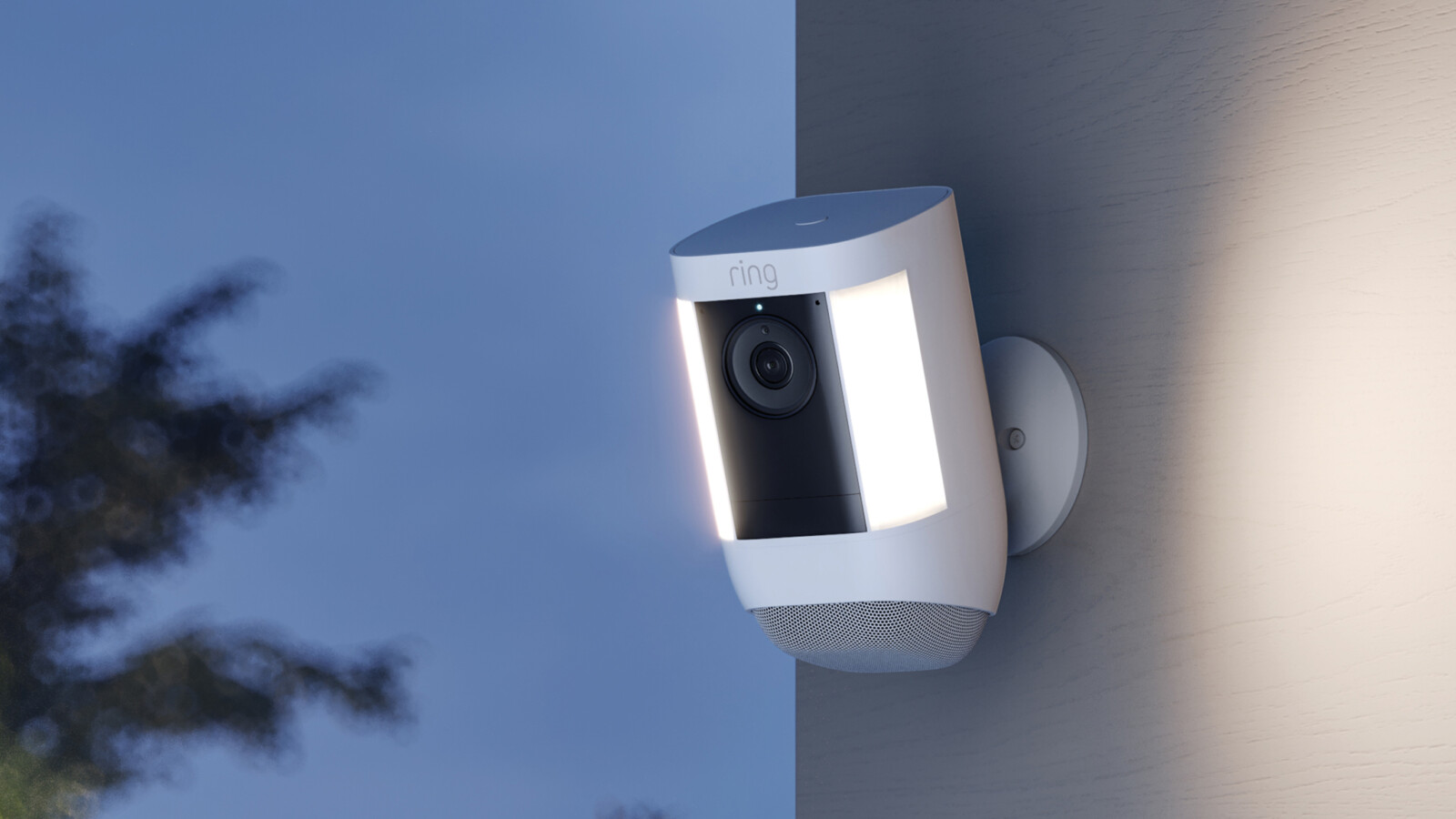
Ring is overhauling how it encrypts customer data on its cameras, and the rollout begins this September. Amazon’s home security brand is introducing a proprietary encryption approach called Throw Away the Key Encryption (TAKE), aimed at clarifying how video is protected and how the company accesses footage for AI analysis, such as generating video descriptions on your phone.
Until now, Ring’s cloud practices were largely opaque. Customers knew the general type of encryption in use, but not how often or how easily Ring could access recordings for analysis. That uncertainty fueled privacy concerns, particularly as Ring faced scrutiny and lawsuits over features like its AI familiar face technology. With TAKE, the company has redefined the process and detailed several encryption practices designed to give users more protection, or at least more transparency.
How TAKE Works With Two Keys
TAKE marks a significant jump in transparency for Ring. When a camera records under this system, the footage is encrypted using rotating encryption keys that update with new versions periodically.
One copy of the key is stored in the cloud by Ring inside what the company calls a “secure enclave,” which requires specific permissions and conditions to access. If you have any Ring AI features enabled, such as video descriptions and summaries, familiar face detection, or advanced object recognition, Ring retrieves the key from its vault and uses it once to analyze your footage.
After that single analysis, Ring deletes its copy of the key and can no longer access the video for any purpose. According to the company, “Ring can only receive access to power the intelligent features that you have active on your account.” Ring also stated it “only trains on video recordings that have been made publicly available, or on recordings from users who have given Ring explicit permission to use them for this purpose,” and that users can revoke permission at any time.
You retain the master key for your own Ring video, meaning you can access your cloud storage clips as often as you want until the storage limit is reached. Ring’s storage starts at 180 days. Any Shared Users you’ve authorized to view videos will also hold this master key.
Jamie Siminoff, founder and chief inventor at Ring, said the goal was to “provide E2EE-like security while allowing customers to continue using all the features they expect from their Ring devices.”
Where End-to-End Encryption Fits In
Ring has previously offered an end-to-end encryption mode that users can enable with a password. In that mode, video is automatically encrypted and viewable only by those who have the password. This option remains available alongside TAKE and offers the highest level of privacy for Ring security footage, though enabling it comes with trade-offs in feature availability.
The TAKE rollout begins in September, applying to Ring cameras and the security video data used for AI analysis.