

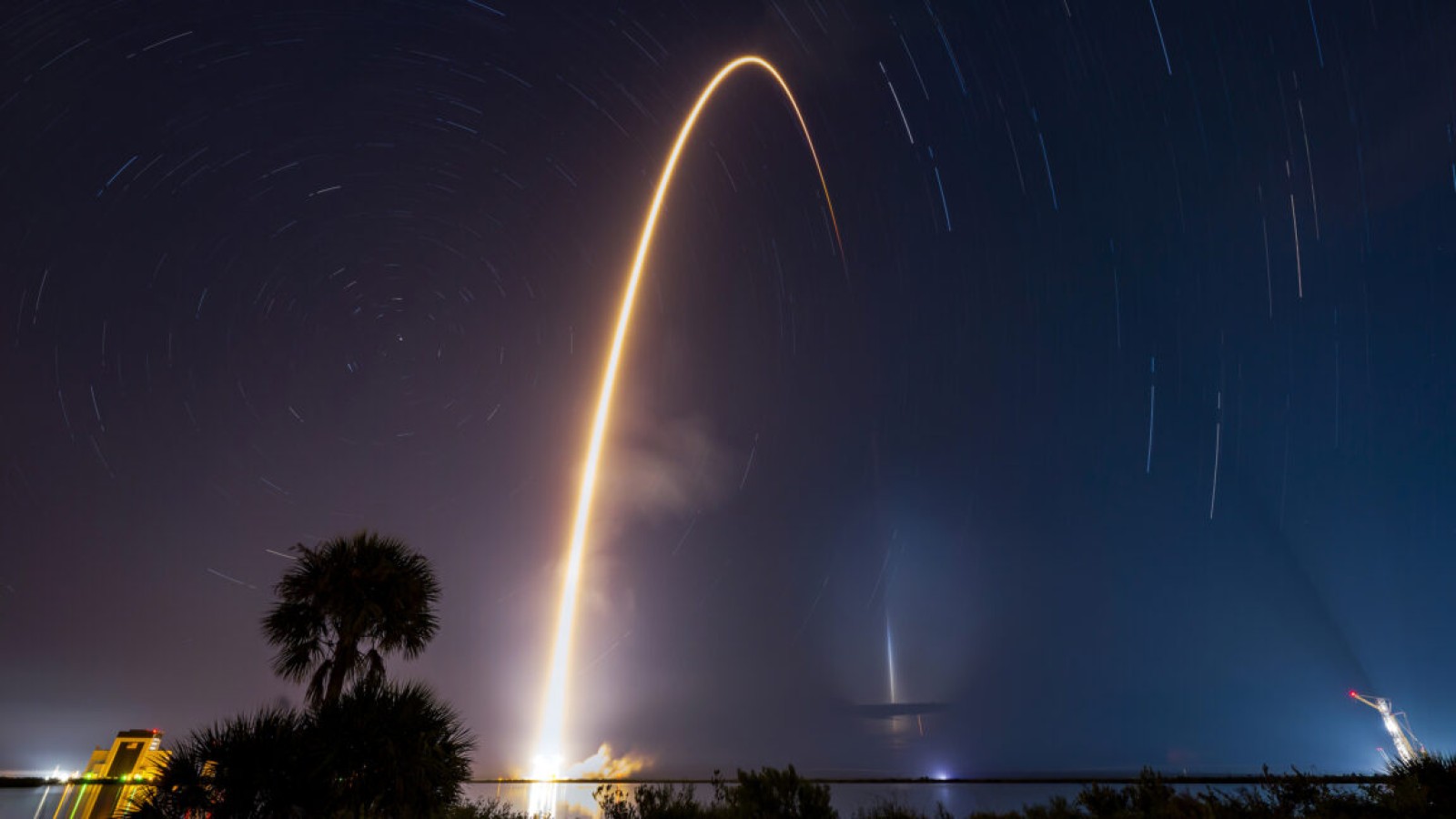
SpaceX is preparing to sharply reduce the number of rocket launches from Florida’s Space Coast, a shift that will quiet the world’s busiest spaceport, at least temporarily. A senior company official confirmed the plan this week, tying the pullback to the anticipated arrival of the next-generation Starship vehicle.
For roughly a decade, SpaceX turned Florida into the epicenter of global launch activity. That distinction is set to change this year as the company redirects a larger share of its flights to the West Coast.
Falcon 9 and the Starlink Cadence
The Falcon 9 rocket has served as SpaceX’s dependable workhorse, regularly carrying batches of satellites for the company’s Starlink broadband network. Most of those missions lifted off from launch pads at Cape Canaveral Space Force Station and NASA’s Kennedy Space Center in Florida.
The volume of activity has been remarkable. Last year, SpaceX conducted 165 Falcon 9 launches from Florida, an average of about three flights per week. Roughly 75 percent of those missions deployed Starlink satellites, underscoring how central the constellation has been to the company’s launch schedule.
A Shift Toward the West Coast
The pattern is already changing in 2026. Since January, SpaceX has flown a growing number of missions from its West Coast launch site at Vandenberg Space Force Base in California. Company officials indicated that this trend will intensify through the remainder of the year, reducing the launch cadence in Florida in the meantime.
The Florida slowdown is described as a temporary condition rather than a permanent retreat. SpaceX has framed the reduction as a bridge period until Starship becomes operational from the Space Coast, at which point launch activity in the region is expected to ramp back up.
For now, the immediate effect is a quieter stretch for a spaceport that has grown accustomed to near-constant activity. The scaling back of Falcon 9 flights from Cape Canaveral and Kennedy Space Center marks a notable pause after years of record-setting launch rates driven largely by Starlink deployments.
Source
Image: arstechnica.com