
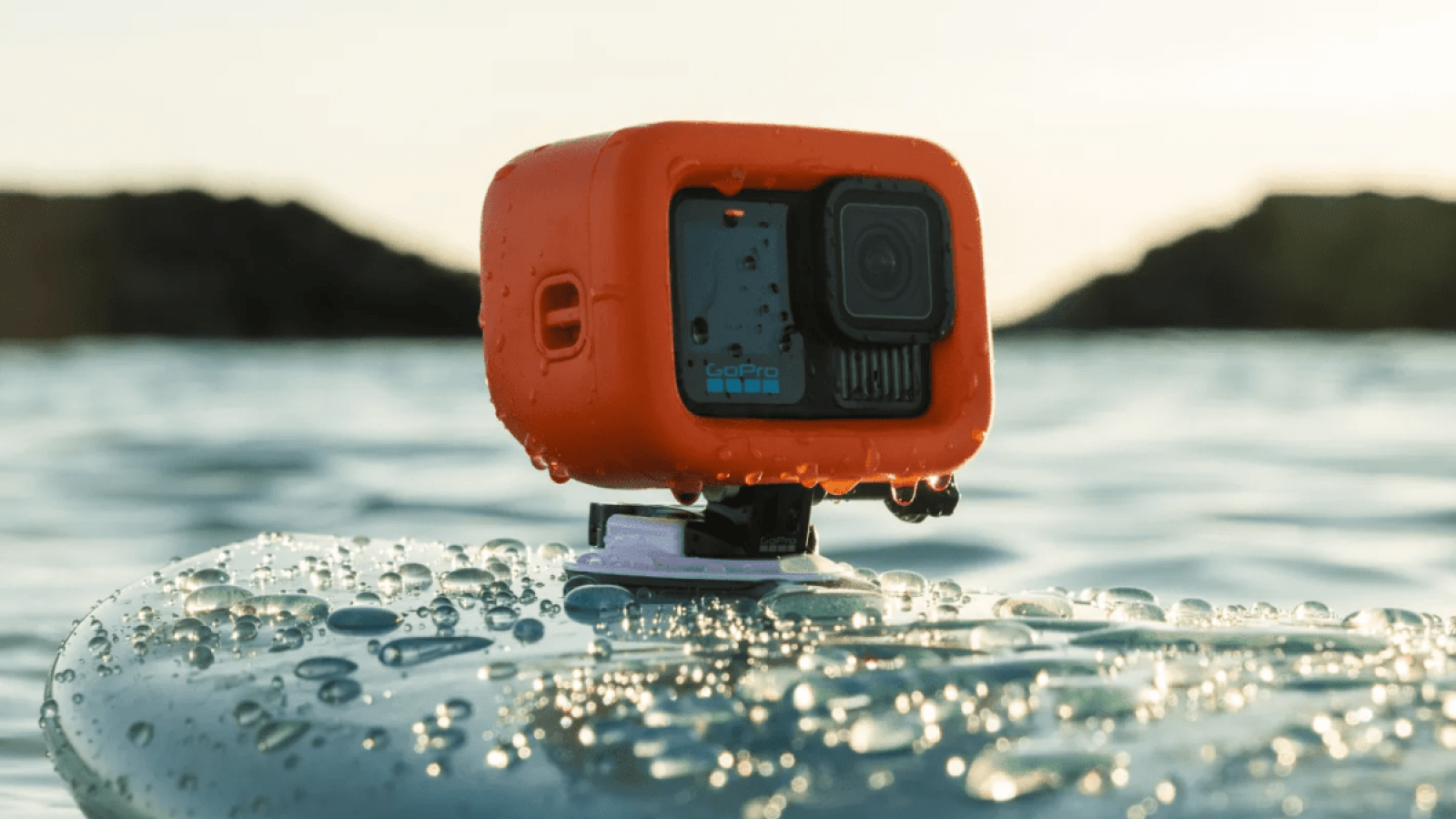
GoPro is being acquired in a EUR 246 million deal, marking a major turning point for the action camera pioneer after years of financial difficulty. A firm called Starman Optical has agreed to merge with GoPro, and despite the transaction, GoPro will remain a publicly traded company.
Under the terms announced Tuesday morning, Starman Optical will pay GoPro shareholders EUR 1 per share, leaving them with roughly 10% of the newly combined company. The merger is expected to close by the end of 2026 and will eliminate GoPro’s outstanding debt of EUR 79 million.
The agreement follows GoPro’s disclosure earlier this year that it was weighing a pivot away from building cameras toward becoming a defense technology company. That direction appears to remain in place. The company stated the deal will “maximize the value of GoPro’s IP and growth potential in consumer, commercial and defense markets” by recapitalizing the business, strengthening its balance sheet, and onshoring the manufacturing of products for strategic markets. GoPro also said it will “fully support” its current consumer products while investing in a broader, more diversified product roadmap. Around the same time, YouTuber Markiplier revealed he had built an 8.5% stake in GoPro.
Who Is Starman Optical?
Starman Optical describes itself as an optical-photonics company focused on developing and domestically manufacturing optical transceivers and related photonics technologies through its Starman New Photonics business. Both Starman Optical and Starman New Photonics are part of Starman Holding, which owns consumer tech brands including Incase, Incipio, and Griffin.
The company has a limited operating history. Starman Optical was incorporated in Delaware on August 31, and Starman New Photonics appears to have been created in 2025, with a manufacturing facility currently under construction in New Jersey.
“Advanced optics and imaging are essential to AI, national security, and the broader economy, yet much of the critical hardware supporting these technologies continues to be manufactured overseas,” said Charles Tebele, CEO of Starman Holdings. He added that combining GoPro’s optical expertise and intellectual property with Starman’s transceiver capabilities and U.S. manufacturing platform creates an opportunity to bring production of these components back to the United States.
How GoPro Reached This Point
GoPro went public in 2014, when its action cameras were selling millions of units annually. Over the following decade, the company tried expanding into new categories such as drones and 360-degree cameras, but neither gained lasting traction. GoPro then refocused on high-performance versions of its core action cameras aimed at professionals, prosumers, and athletes, while carrying out multiple rounds of layoffs to narrow its business.
In June, GoPro warned shareholders it might go out of business without new funding. The following month, founder and CEO Nick Woodman said he was putting EUR 17 million into the company to keep it operating. GoPro has stated it expects the merger to position it as a leading American imaging and optical solutions company across consumer, commercial, and defense markets.
Source
Image: techcrunch.com