

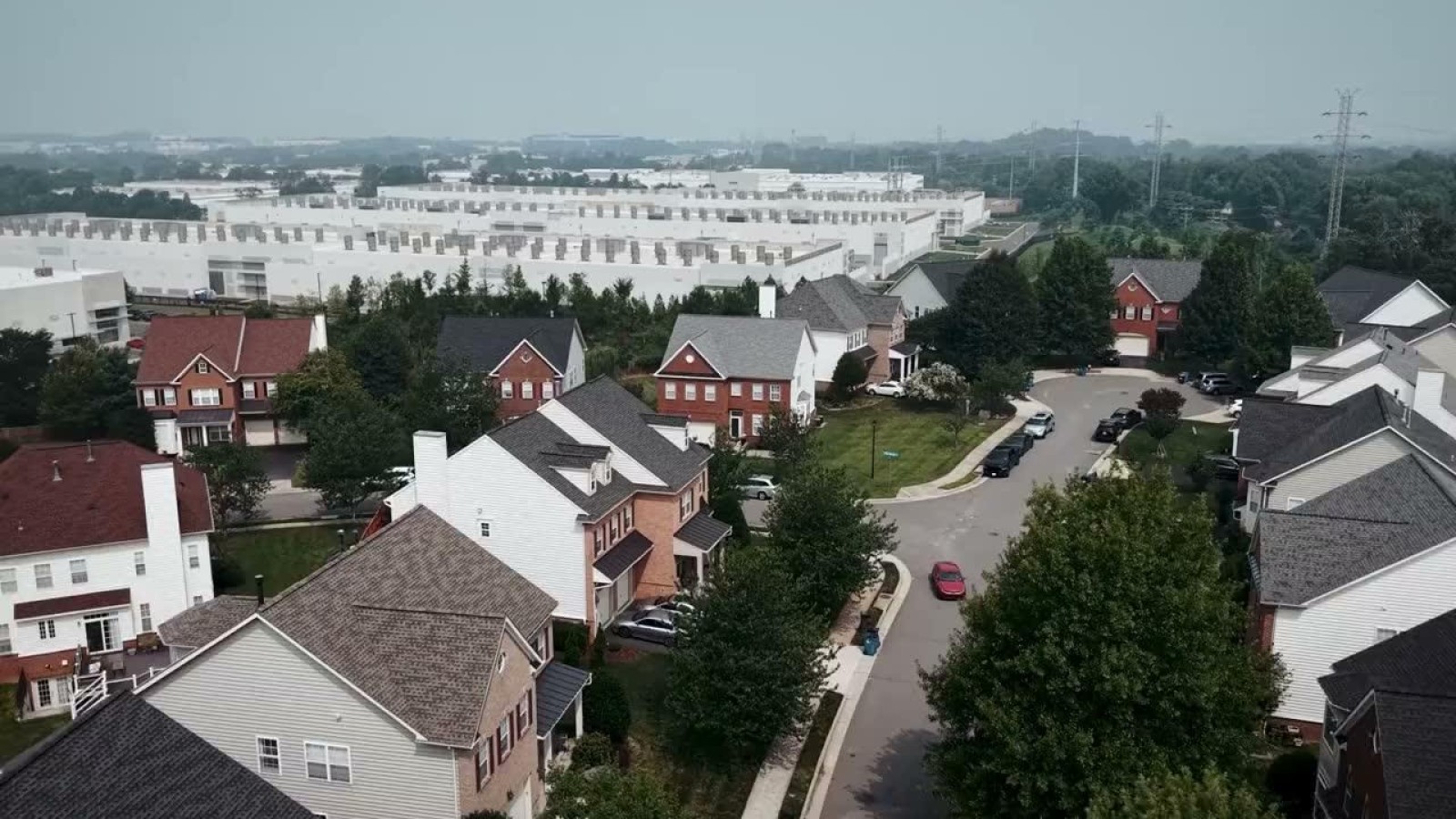
Data centers have transformed Loudoun County, Virginia, into the densest concentration of server facilities on the planet. Today the region carries a fitting nickname: Data Center Alley. Across just a portion of its roughly 515 square miles, the county now hosts about 250 data centers, a footprint unmatched anywhere else in the world.
The story began in 2007, when the United States stood on the edge of an economic recession. Buddy Rizer, a former radio DJ who had taken a role at Loudoun’s economic development authority, was tasked with finding the county a new source of revenue. The pressure was immediate: more than 80 percent of Loudoun’s income came from residential real estate at a time when the housing bubble was bursting. The initial goal was modest, raising the commercial tax base from about 19 percent of revenue to roughly 23 percent.
From Dot-Com Ruins to a Tech Hub
To spark a turnaround, Rizer looked to the remnants of an earlier collapse. Loudoun had been home to AOL, which by 2000 was the largest internet provider in the United States. Thanks to that legacy, its proximity to Washington, D.C., and access to water and electricity, the county had become a physical center of the internet. Estimates suggest as much as 70 percent of the world’s internet traffic once passed through Loudoun.
After the dot-com crash of 2000 and AOL’s troubled merger with Time Warner, much of that industry disappeared, leaving behind empty buildings and miles of fiber optic cable already in the ground. Rizer saw opportunity in the abandoned infrastructure. The county still had an internet exchange point, plenty of land, a government eager for investment, and a capable local electricity utility. That combination formed the basis of a plan to attract data centers.
Prosperity and Growing Scrutiny
The data center boom accelerated as technology companies expanded into the cloud, the term for the blocky buildings that house rows of servers. The financial impact has been significant. Loudoun built 22 new schools in the last 15 years, and in 2024 tax revenue from data centers alone exceeded the county’s operational budget by EUR 30 million.
Residents felt the benefits directly. The real property tax rate fell from about EUR 1 to 80 cents per EUR 86 in assessed value since 2008. For years, many locals had only a passing awareness of what was happening around them. They noticed construction along main roads, paid steadily lower property taxes, and sent their children to well-regarded public schools.
Today, commercial sources account for just over half of the county’s tax revenue, a dramatic shift from the residential-heavy structure of 2007. That reliance grew quietly until the effects of so many data centers on the surrounding community became impossible to ignore, prompting many longtime residents to learn their county’s nickname only recently. Loudoun County now operates about 250 data centers concentrated in a single region.
Source
Image: theverge.com