
SpaceX is bringing turbine blade and vane casting in-house to speed up the production of natural gas generators that power Elon Musk’s AI data centers. Musk announced the move on X, framing it as a way to bypass one of the biggest bottlenecks slowing down electricity supply for artificial intelligence infrastructure.
Electricity availability in the U.S. has become a key limiting factor keeping AI data centers from coming online quickly. To sidestep long waits for grid connections, many projects are turning to portable natural gas turbine generators. That surge in demand has strained turbine supply, prompting Musk’s decision to have SpaceX manufacture the critical components itself.
Why Portable Generators Became Essential
Musk was among the first to deploy portable power generators to run a data center, allowing the Colossus facility in Memphis, Tennessee, to go online in record time. These units are far from small: each generator is roughly the size of a trailer and may require one or two additional trailers of supporting parts and accessories, plus a separate fuel tank.
OpenAI adopted a similar approach a few months later, announcing plans to deploy turbines at the first Stargate data center to provide additional power. This rapid influx of demand has triggered jet engine shortages for data center operators. Engine manufacturers were not prepared for the AI boom, and commercial aviation was already facing its own shortages from supply chain and engine design issues before data center developers began purchasing turbines in volume.
The Turbine Blade Bottleneck
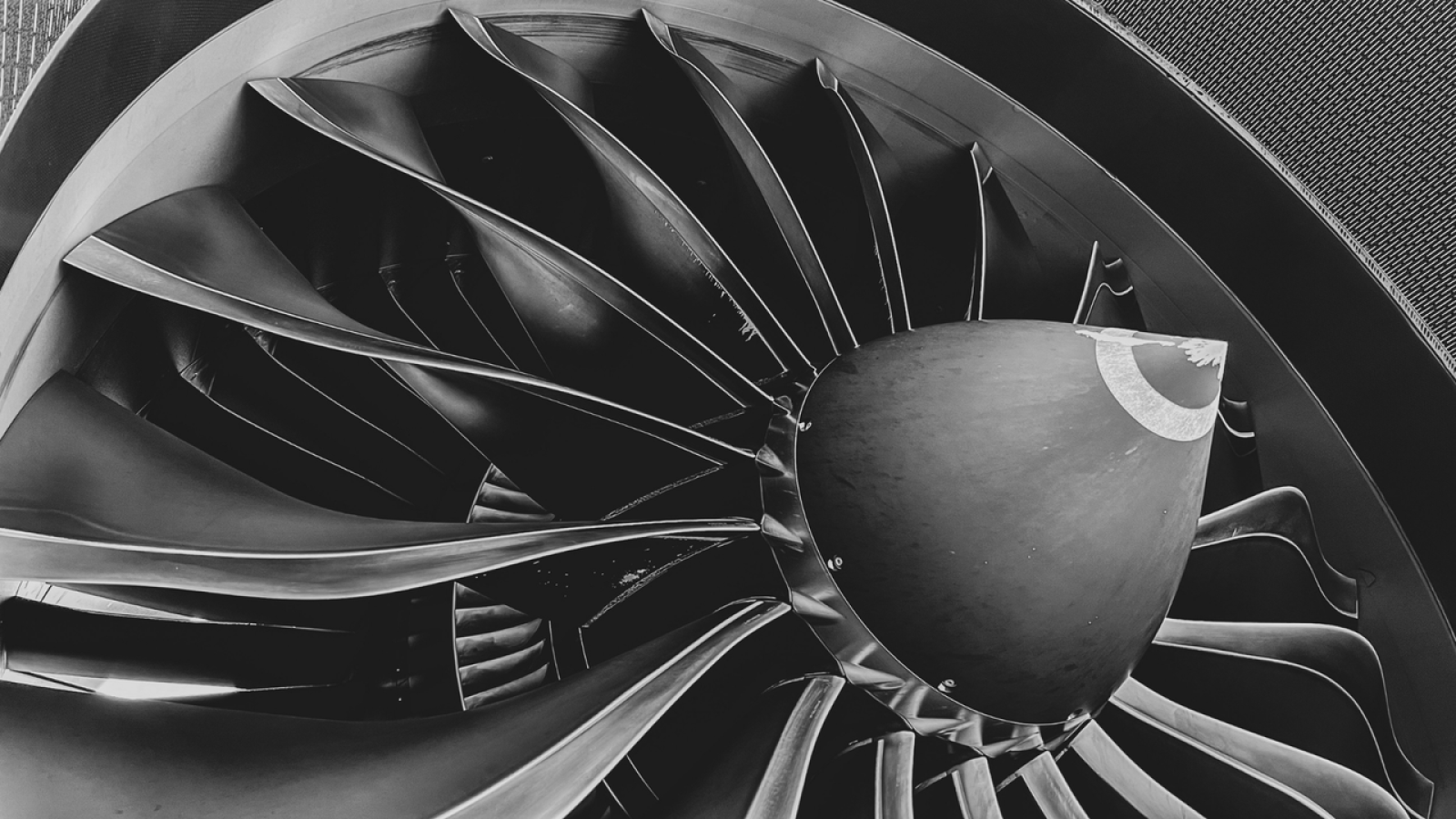
Turbine blade and vane manufacturing is currently one of the biggest constraints in jet engine production. The blades are difficult to build, with a single batch often taking 60 to 90 weeks to complete. These specialized parts must withstand extreme forces and temperatures, particularly at the engine’s core. Even when engines are mounted on the ground or fixed to a trailer rather than hung beneath an airliner’s wing, manufacturing them still demands the same precision and care.
By producing its own turbine blades, Musk says the strategy could cut delivery times by 18 months. That would let xAI obtain new turbine generators far sooner, instead of waiting in a queue that is expected to stretch into 2030.
Solar and Natural Gas Working Together
SpaceX and Tesla are each building 100GW per year of solar production capacity as quickly as possible. Even so, natural gas remains part of the plan. Musk stated that natural gas will still be needed to supplement and bootstrap solar power for several years. The limiting factor for natural gas turbine production, he noted, is casting the blades and vanes.
Neither company is abandoning solar. Instead, Musk appears willing to invest in turbine manufacturing as demand for generators to power data centers continues to rise in the coming year.
Source
Image: tomshardware.com