

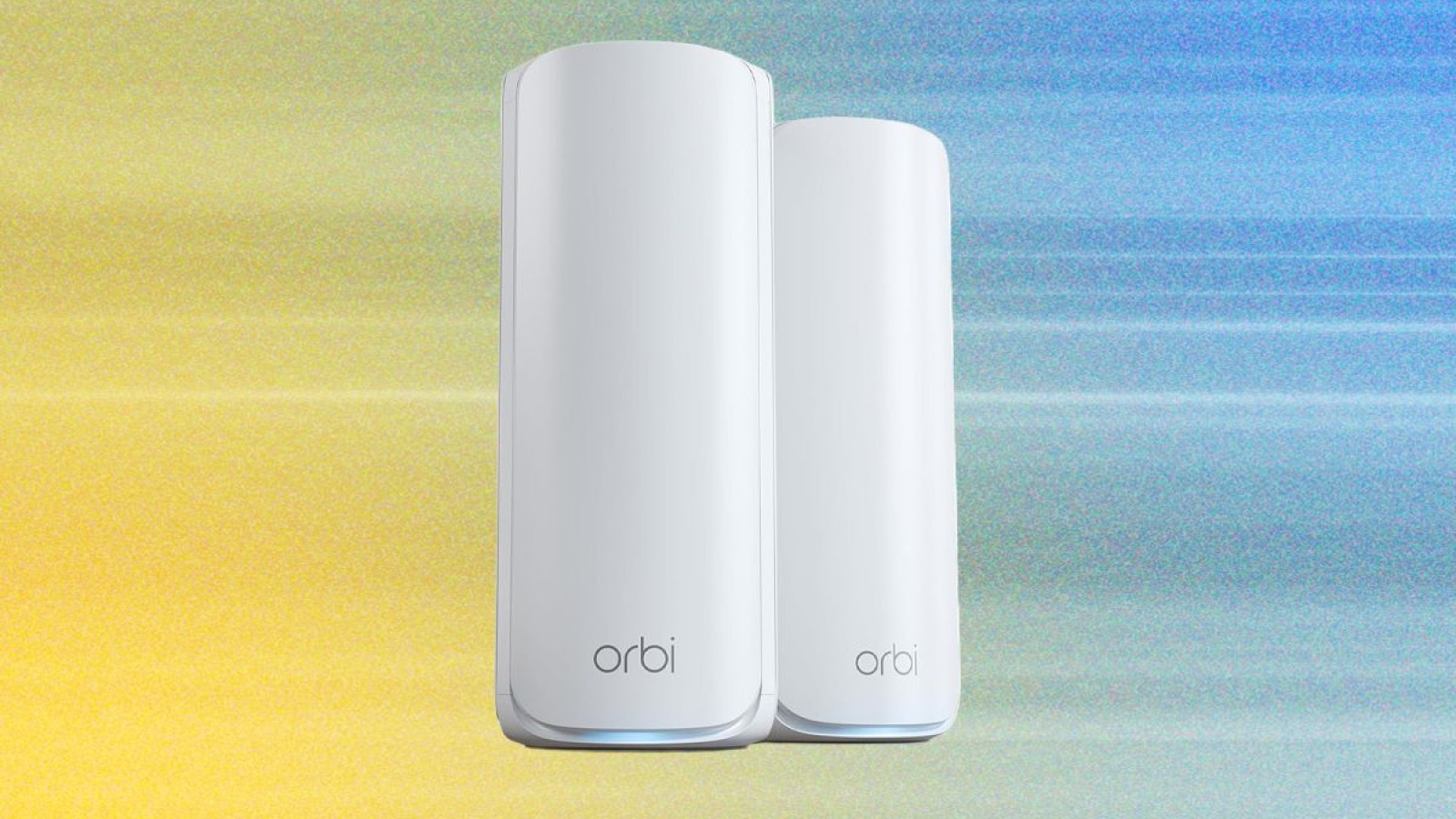
A mesh Wi-Fi system is one of the most effective ways to eliminate dead zones, stop buffering in a back bedroom, or extend reliable coverage to the backyard. After extensive testing, the Netgear Orbi 770 Series stands out as the best option for most American households, though several alternatives fit different home sizes and internet connections.
Here are the top picks by category:
Best overall mesh: Netgear Orbi 770 Series (3-pack)
Best subscription-free mesh: Asus ZenWiFi BT10 (2-pack)
Upgrade pick: Asus ZenWiFi BQ16 Pro (2-pack)
Best for simplicity: Amazon Eero Pro 7 (3-pack)
Best budget: TP-Link Deco BE63 (3-pack)
Best Wi-Fi 6 mesh: Asus ZenWiFi XT8 (2-pack)
Best outdoor mesh: TP-Link Deco BE25 Outdoor (1-pack)
What the FCC Router Ban Means for Buyers
A key regulatory change is worth noting. The FCC’s ban on foreign-made routers, announced in March, could prevent any company that does not secure an exemption, known as Conditional Approval, from selling new mesh systems in the United States. Existing systems, including every product listed here, can still be sold and can continue receiving firmware updates at least until January 1, 2029. So far, Netgear and Eero are the only consumer mesh manufacturers to have obtained Conditional Approval.
Before committing to a new setup, it is worth deciding whether a mesh system is the right choice for your home at all. If you would rather not replace your current hardware, options such as Wi-Fi extenders, standalone routers, and home network security tools may serve your needs instead.
Why the Netgear Orbi 770 Series Leads
For anyone eager to move to Wi-Fi 7, the Orbi 770 Series is a strong entry point and an ideal match for the average family home. It remains backward compatible with older hardware, but you will need Wi-Fi 7 devices, such as an iPhone 17 or Pixel 11 Pro, to unlock its full potential.
These tall routers are smaller than the pricier Orbi 970 Series but share a similar design and a relatively large footprint. The main router includes four 2.5 Gbps Ethernet ports, while each satellite offers two 2.5 Gbps ports. There is no USB port. Setup is quick through the Orbi mobile app.
The system is tri-band, and by default it uses a single network name across the 2.4 GHz, 5 GHz, and 6 GHz bands. It supports multi-link operation (MLO), a Wi-Fi 7 feature that lets devices connect across multiple bands at once. A single SSID simplifies management, but MLO can cause issues for legacy devices because Wi-Fi 7 requires stricter security of WPA2 or higher. Very old hardware, such as an iPhone 5, will not connect, though a guest or IoT network can serve as a workaround.
Wi