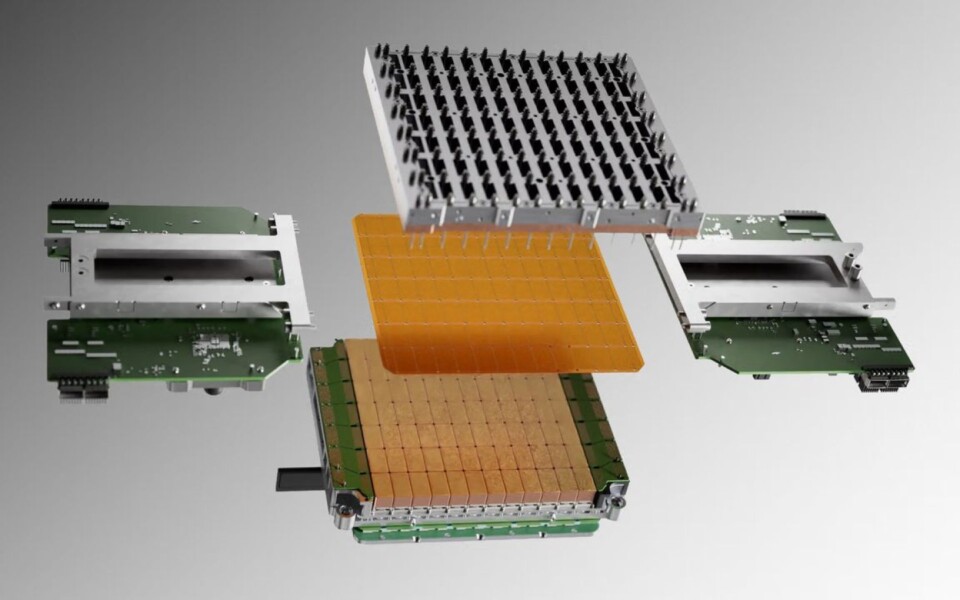

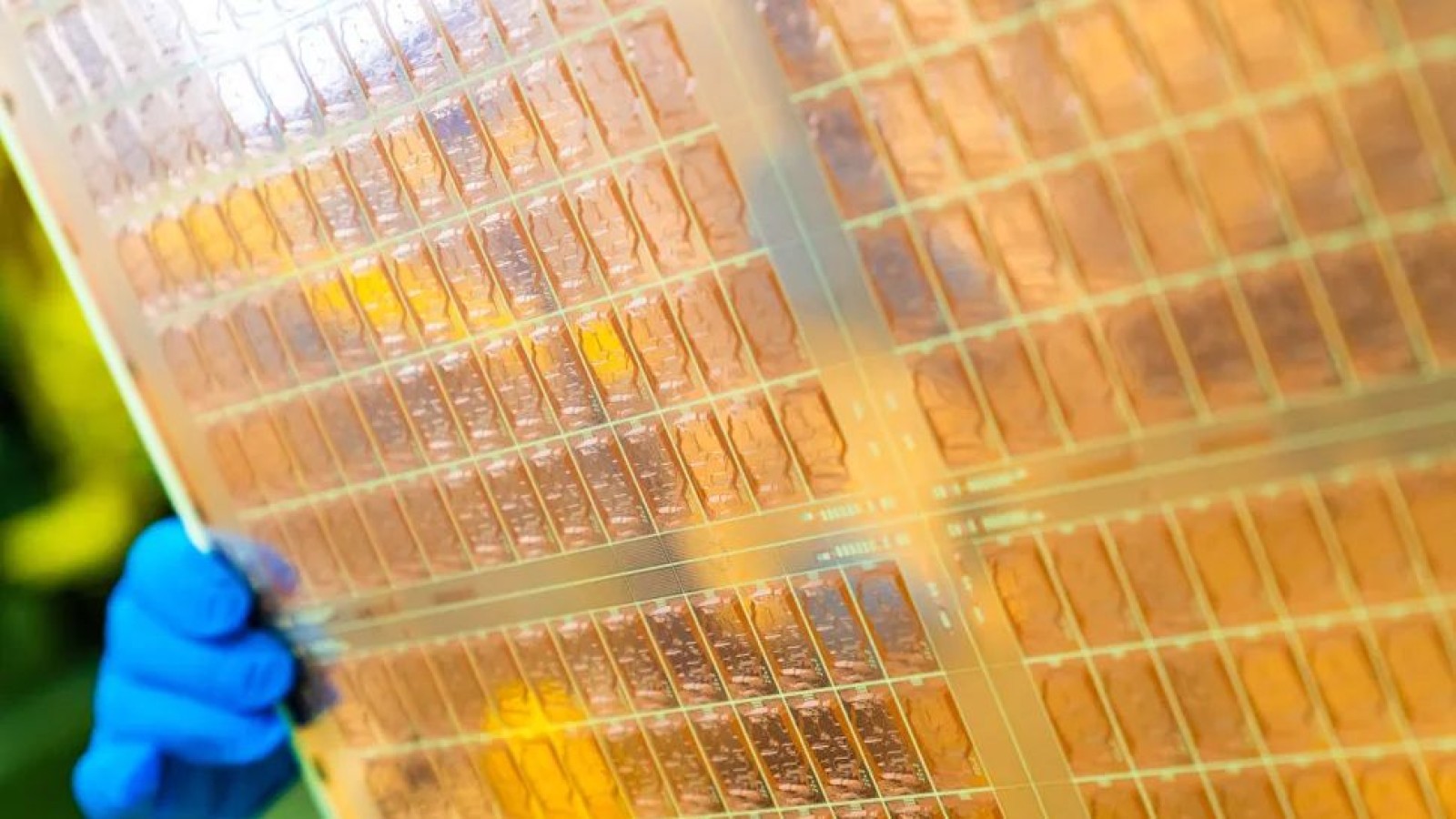
Glass-core substrates, the technology positioned to replace organic chip packaging, have reached final qualification, yet they still do not appear in a single commercial product. Intel first championed the approach in September 2023 with more than EUR 1 billion in committed funding, but the entire segment has repeatedly missed its targets.
SKC, a material manufacturer and chemical affiliate of the SK Group, said during its July 27 earnings call that embedded glass substrate samples from its Absolics plant in Covington, Georgia, are undergoing package-level reliability testing in Taiwan. Results could arrive before the end of the year. Absolics originally aimed for mass production in the first half of 2024, and earlier reports of AMD adopting glass substrates for CPUs between 2025 and 2026 never came to fruition.
Rivals are moving in parallel. Samsung Electro-Mechanics finalized a 482.1 billion won (EUR 266 million) glass-core joint venture with Sumitomo Chemical’s Dongwoo Fine-Chem on July 2, targeting first production in the second half of 2027. Intel, which started the competition, has shifted toward licensing its patents and displaying demo vehicles, with its own deployment now aimed at roughly 2030.
Why the Industry Is Betting on Glass
The technical argument for glass-core substrates rests on figures Intel published earlier, including 10 times the interconnect density of organic substrates and a 50% reduction in pattern distortion. Glass cores can be tuned to a thermal expansion coefficient of roughly 3 to 10 ppm per degree Celsius, compared with silicon’s 2.6, cutting warpage by about half relative to organic cores.
Rectangular panels in the emerging 510mm x 515mm format use more than 75% of their area for large die, against roughly 50% for round 300mm wafers. Through-glass vias have been demonstrated at six microns in diameter with aspect ratios beyond 15:1 at ECTC 2025, and Georgia Tech has shown stacked glass running at 220 GHz with 0.3 dB of loss.
Manufacturing Hurdles Remain
Glass chips and cracks at the edges during drilling and dicing. Early Absolics production runs reportedly broke hundreds of panels every couple of days during initial testing. Edge-coating work has reduced measured edge stress from 95 MPa to 49 MPa, and low-temperature dielectrics that cure below 180°C have been developed to limit thermal stress during build-up. However, metallizing vias below 10 microns and maintaining nanometer-scale flatness across half-meter panels remain unresolved.
Intel demonstrated a working system booting Windows on a glass-core substrate in early 2025. Rahul Manepalli, Intel’s VP of module engineering, described the benefits as “undeniable” and said Intel wants “to be one of the first ones who do it.” The commercial plan has shifted, though. Intel is reportedly in early-stage talks with Chinese cover-glass maker Lens Technology about a packaging partnership, with no firm agreement to date.
At NEPCON Japan in January, Intel
Source
Image: tomshardware.com