
Two startups are betting that your idle gaming rig can double as an AI inference node, paying you for the downtime while your GPU sits unused. Abu Dhabi–based Far Labs and Austin-based Evolving Edge are building marketplaces that farm out AI workloads to consumer hardware, pitching the concept as an “Airbnb for AI inference.” The catch: neither company has published payout rates, and the profitability question remains open.
Far Labs plans to launch its Far AI platform in the coming weeks, claiming latency of 100 ms or less, while Evolving Edge is currently running an open beta. “Imagine Uber or Airbnb, but for AI inference computing tasks,” said Ilman Shazhaev, founder and CEO of Far Labs. Both companies are focusing on smaller open-source models rather than frontier-scale workloads. They join established competitors such as Utah-based Salad, which lists more than 60,000 daily active consumer GPUs on its network.
How the Distributed Networks Work
Far Labs uses a proprietary scheduler that splits a model into pieces across multiple machines, then relies on an orchestrator and a load balancer to reassemble the partial outputs into a single response. Evolving Edge distributes jobs using Ray, the open-source framework already used inside conventional data centers.
Running someone else’s workload on a personal machine carries obvious risks, including malicious code or unauthorized access to local files. Both firms address this through isolation. Inference runs as a sandboxed workload with encrypted communication and hard limits on GPU, CPU, memory, storage, and network access. Customers get no direct access to the host machine, and Evolving Edge has open-sourced its node software so hosts can audit exactly what runs on their hardware.
The Economics Are the Hard Part
Payout math is where these platforms face scrutiny. Salad sells consumer-GPU compute starting at EUR 0 per hour, and the card’s owner receives only a share after the platform takes its cut. In 2021, when Salad’s network mined Ethereum, estimates suggested the company generated roughly EUR 3 million from users’ PCs while distributing EUR 431,854 in rewards, or about 14 cents on the dollar for the people supplying the hardware.
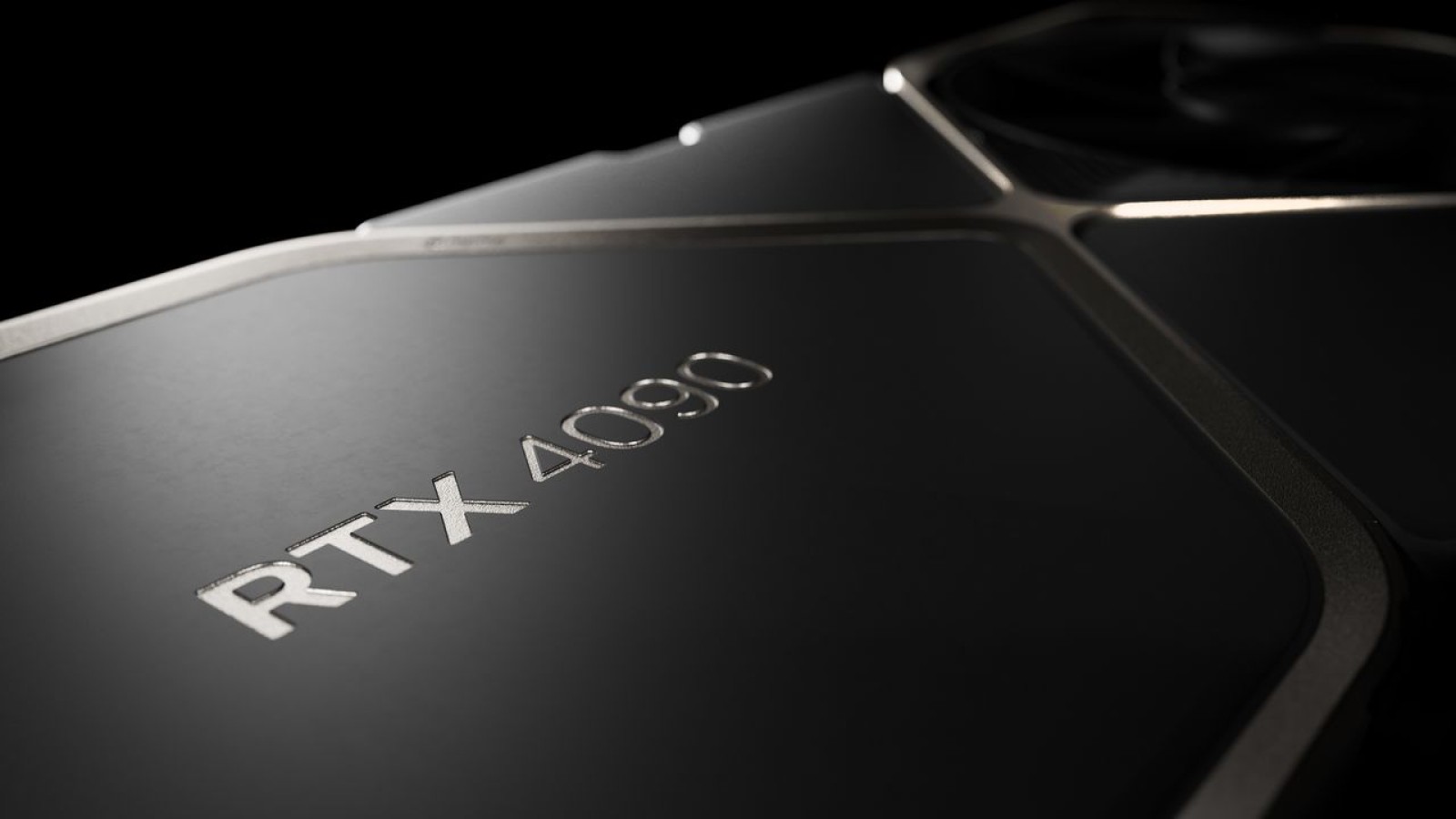
Electricity costs then eat into whatever remains. An RTX 4090 draws 350W to 450W under sustained load, roughly EUR 35 to EUR 43 a month at EUR 0 per kWh if the card runs around the clock. A rig earning less than that is effectively paying to work.
Both founders emphasize resilience. John Federico, founder and CEO of Evolving Edge, cited the AWS outage last October that left Internet-connected smart beds stuck upright, arguing his network could lose 100 of 250,000 nodes “and it wouldn’t matter.”
Distributed AI compute still carries a credibility problem. A June research preprint claimed that Pearl, a blockchain marketed as converting cryptocurrency mining into AI work, ran the equivalent of 320,000 RTX 3090-class GPUs on random matrix math while producing no useful AI computation. Far Labs and Evolving Edge say they route real customer inference jobs rather than token rewards.
Source
Image: tomshardware.com