
Chrome for Android is rolling out a redesigned navigation bar to the stable channel, adding new interface elements to a layout that has remained largely unchanged since 2012.
When Google’s browser launched in 2008, the Chrome name was meant to signal speed and a minimal graphical user interface. On Android, that approach has endured through a single address bar placed at either the top or bottom of the screen. In its most stripped-down state, that address field sits alongside just the tab switcher and a three-dot overflow menu. Over the years, Google has refreshed these components without altering their placement.
What’s New in the Redesign
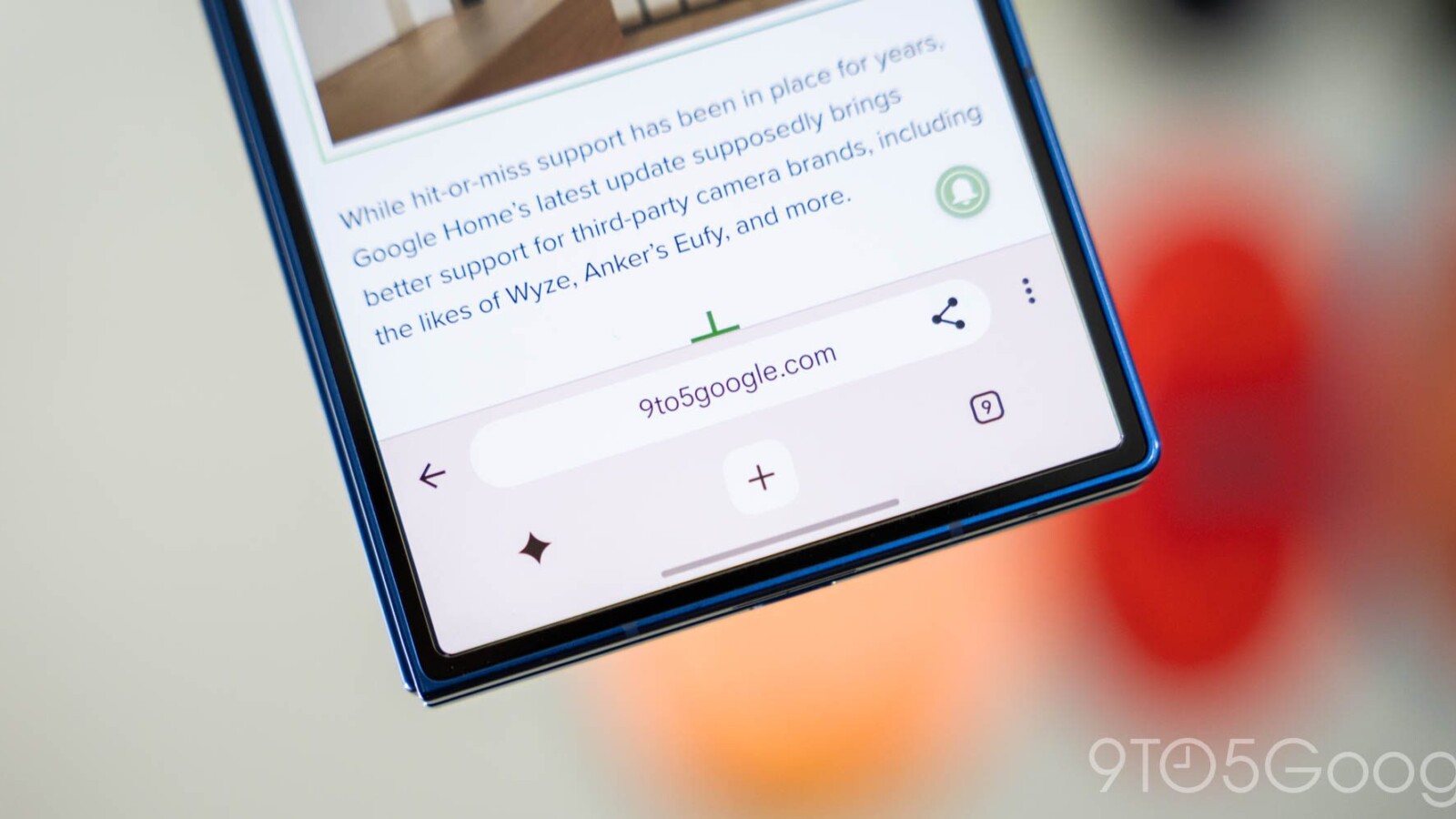
The updated interface adds a secondary toolbar at the bottom of the screen. This bar includes buttons for your homepage, which can be disabled, along with Gemini, a new tab, and the tab switcher. The change allows Google to place a dedicated back button to the left of the Omnibox, while moving the toolbar shortcut inside.
Google came close to shipping a similar revamp in 2020 but ultimately dropped it after mainstream users described the layout as disorienting. The current version also surfaces a share button by default next to the URL. Users can long-press on the address bar to quickly copy links.
Layout Concerns for Bottom Bar Users
For users who keep the address bar at the top, the redesign works cleanly. The added elements only affect the top toolbar in a limited way. For those who use the bottom address bar, however, the stacked interface elements are noticeably thicker. When a page is first scrolled and the interface auto-hides, the amount of web content covered becomes more apparent.
The effect is most pronounced when viewing Tab Groups, where three rows can stack on top of one another, reducing the usable screen area. A thinner bottom toolbar would address much of this concern and keep the browser aligned with its minimalist origins.
The navigation bar redesign is slowly rolling out to the stable channel. It is not yet clear whether Google has committed to the new interface, and there is no confirmation that the original layout will remain available as an option.
Source
Image: 9to5google.com