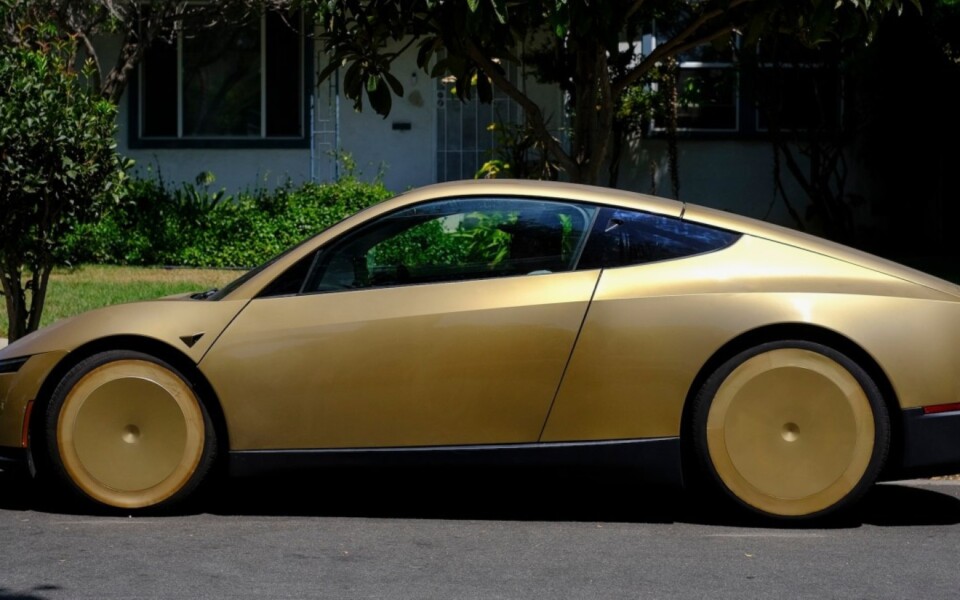

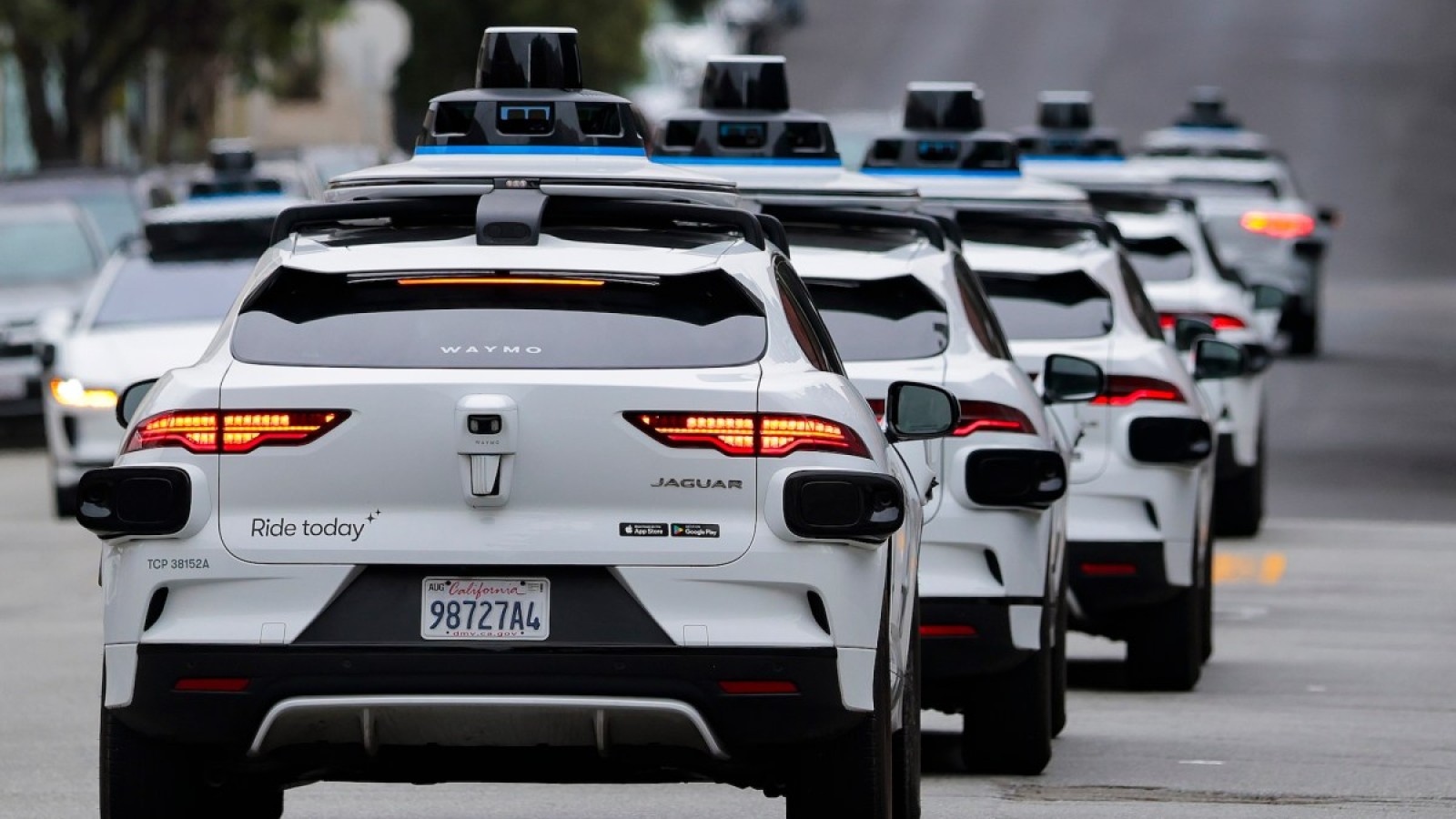
Waymo is going on the offensive just as Tesla prepares to unveil its long-awaited robotaxi. Last week, the Alphabet-owned company argued that fully autonomous vehicles cannot operate safely without a mix of sensors, and that “pure end-to-end” AI systems fall short on safety. While Waymo never named a competitor, the criticism clearly targeted Tesla’s camera-only strategy.
The timing was deliberate. Waymo laid out its position in a blog post and an interview just one week before a September 3 event, where Tesla is expected to formally introduce its two-seater Cybercab into its small but expanding robotaxi fleet. On the same Tuesday morning, Waymo announced three new markets, further extending a network that already serves customers in more than a dozen U.S. cities.
The technical claims sparked a weekend-long debate across social media. Analyst Pierre Ferragu of New Street Research, who covers Tesla, called Waymo’s arguments “poor” and suggested the company was leaning on “incumbent rhetoric.” A Waymo spokesperson, Ethan Teicher, pushed back by sharing a John Wick promo image, defending the company’s reliance on driverless mileage, AI interpretability, and multiple sensor types.
Two Competing Approaches to Full Autonomy
At the heart of the dispute are two very different philosophies. Waymo integrates cameras, lidar, and radar into vehicles built by other manufacturers. Tesla, by contrast, has committed entirely to cameras paired with artificial intelligence. Elon Musk has repeatedly dismissed lidar as a “crutch.”
Srikanth Thirumalai, a vice president who oversees Waymo’s driving software, made the case for redundancy in the company’s blog post. “Cameras are incredible, but they aren’t enough,” he wrote. After more than 200 million real-world miles, he argued, the data shows that safe, fully autonomous operations at scale require more than a single sensor type. Combining cameras, lidar, and radar, he said, creates a redundant world view that no individual sensor can match.
Thirumalai also warned that a pure end-to-end neural architecture, which “takes in raw pixels and directly outputs steering commands,” risks “black box failures.” He noted that even advanced AI models with trillions of parameters still hallucinate, and that physical AI offers no simple reboot. “You have to deal with the consequences of it,” he said.
A Market Worth Hundreds of Billions
The stakes explain the sharp tone. If Tesla can prove the Cybercab performs reliably at scale, it would set up a direct clash between the two companies and their contrasting technologies, in a market that could eventually be worth hundreds of billions of dollars. For years, that debate was largely academic, but Waymo is now pointing to operational results.
Waymo’s more conservative technical approach has allowed it to scale steadily. The company currently operates around 4,000 robotaxis across 14 U.S. cities, providing 500,000 paid trips per week.
Source
Image: techcrunch.com