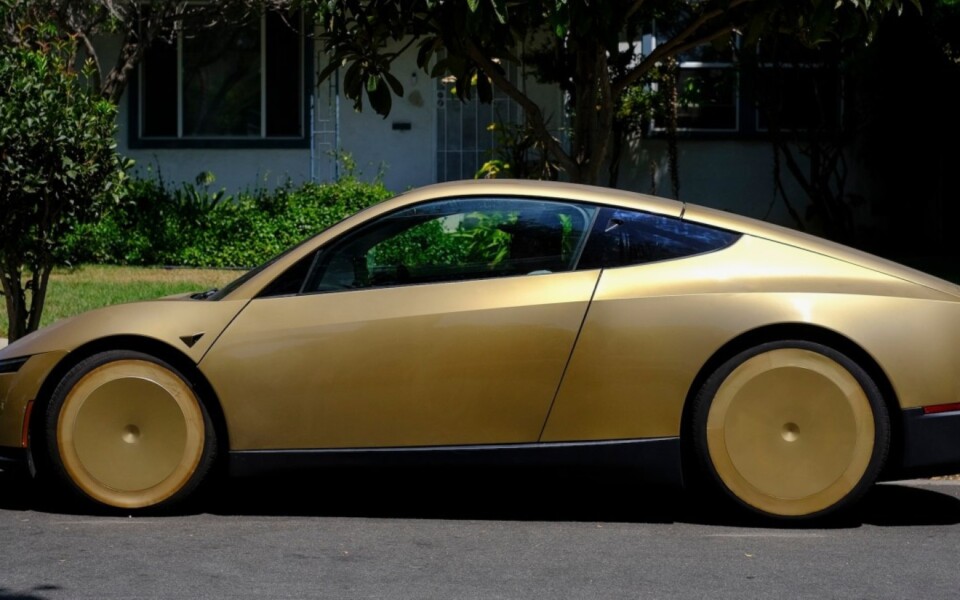

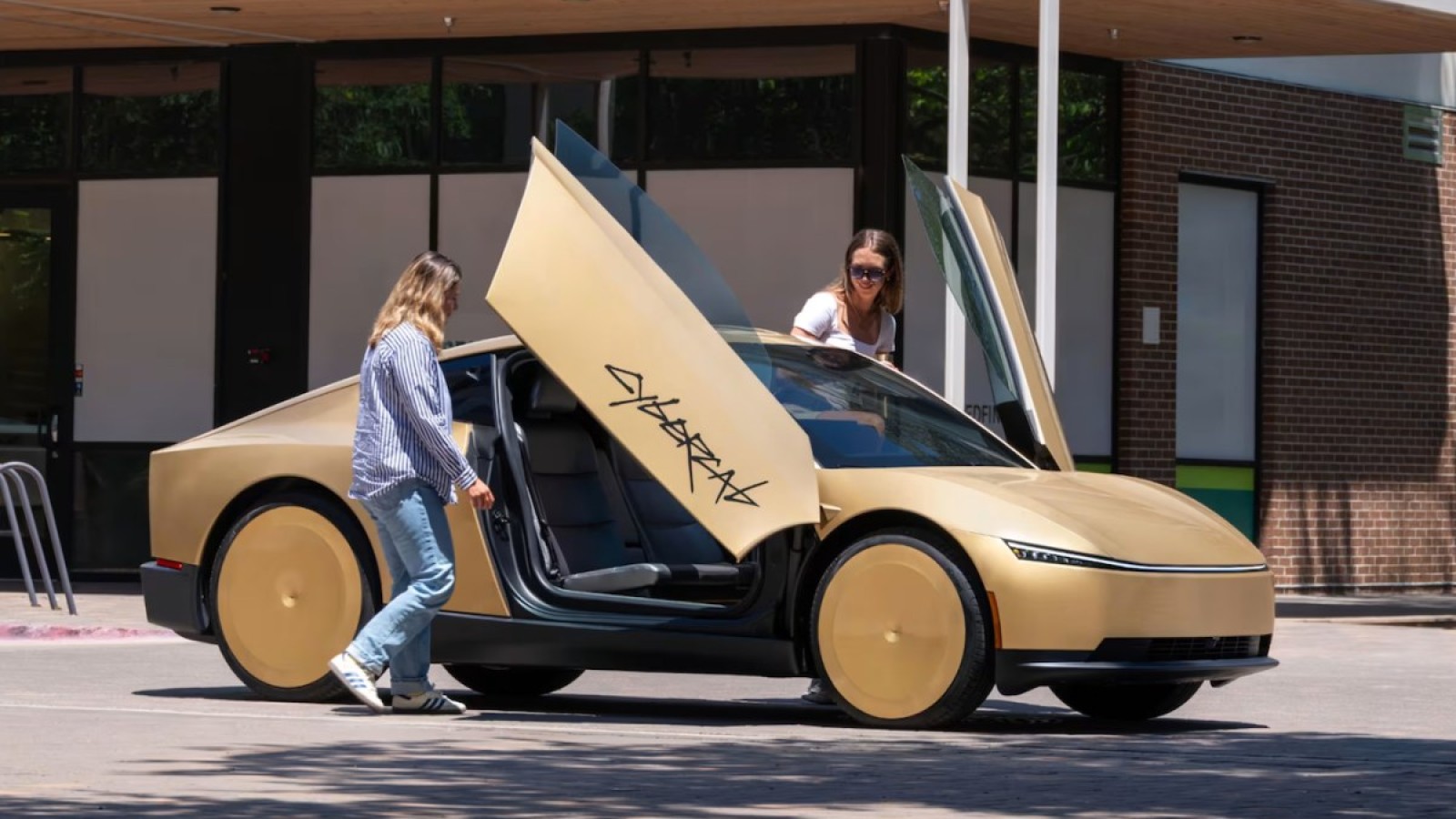
The Tesla Cybercab made its debut at a private event that broke from the company’s usual pattern of large, livestreamed product reveals. The keynote reportedly ran only about 15 minutes, and CEO Elon Musk does not appear to have addressed attendees—an unusual approach for a vehicle Musk has spent years promoting.
The Cybercab’s central promise is significant: a fully autonomous vehicle that relies solely on cameras and artificial intelligence to drive itself, priced well below a Waymo. Rather than announcing specifics on stage, Tesla distributed information across PDF documents released Thursday and updated terms of service within its Robotaxi app, leaving remaining details to be shared online by a handful of dedicated supporters.
Tesla now faces the task of demonstrating that the vehicles are safe to the public, local governments, and the National Highway Traffic Safety Administration, which has already opened an investigation into the Cybercab rollout.
No Young Children Allowed in the Cybercab
Among the more notable points in the fine print, Tesla does not permit minors under the age of 13 to ride in the Cybercab “at this time.” By contrast, minors between the ages of 8 and 17 are allowed to ride in Tesla’s Robotaxi Model Y SUVs, and the company provides guidelines for using child seats in both vehicles.
The Cybercab notably lacks standard LATCH anchors for child seats. Instead, seats can only be secured using the seat belt. Tesla executives, including Musk, have frequently emphasized removing unnecessary parts to lower costs. In both vehicles, all children under 18 must be accompanied by an adult, though the company has stopped short of allowing young children in the Cybercab for now.
What Happens During a Crash
While autonomous vehicles are designed to avoid collisions, even the most advanced systems on the road today are sometimes involved in crashes. In the event of a Cybercab collision, the airbags inflate, the doors unlock, the hazard warning lights and interior lights turn on, and the high-voltage battery is disabled. The windows move to the “vent” position, the vehicle applies the brakes to stop and park, and the infotainment system opens a two-way connection with Tesla’s rider support team.
The automatic door unlocking is significant given the scrutiny Tesla has faced over its reliance on electronic door latches, both in the United States and in China, its largest market. Last month, Tesla agreed to recall 3 million cars in China, alongside several other automakers, following an investigation into electronic door latches that could trap occupants after a crash.
Doors have drawn additional criticism, with concerns that Tesla’s interior manual door releases are difficult to locate in an emergency. These manual releases matter because electronic door latches serve as the primary method for entering and exiting the company’s vehicles.
Source
Image: techcrunch.com