
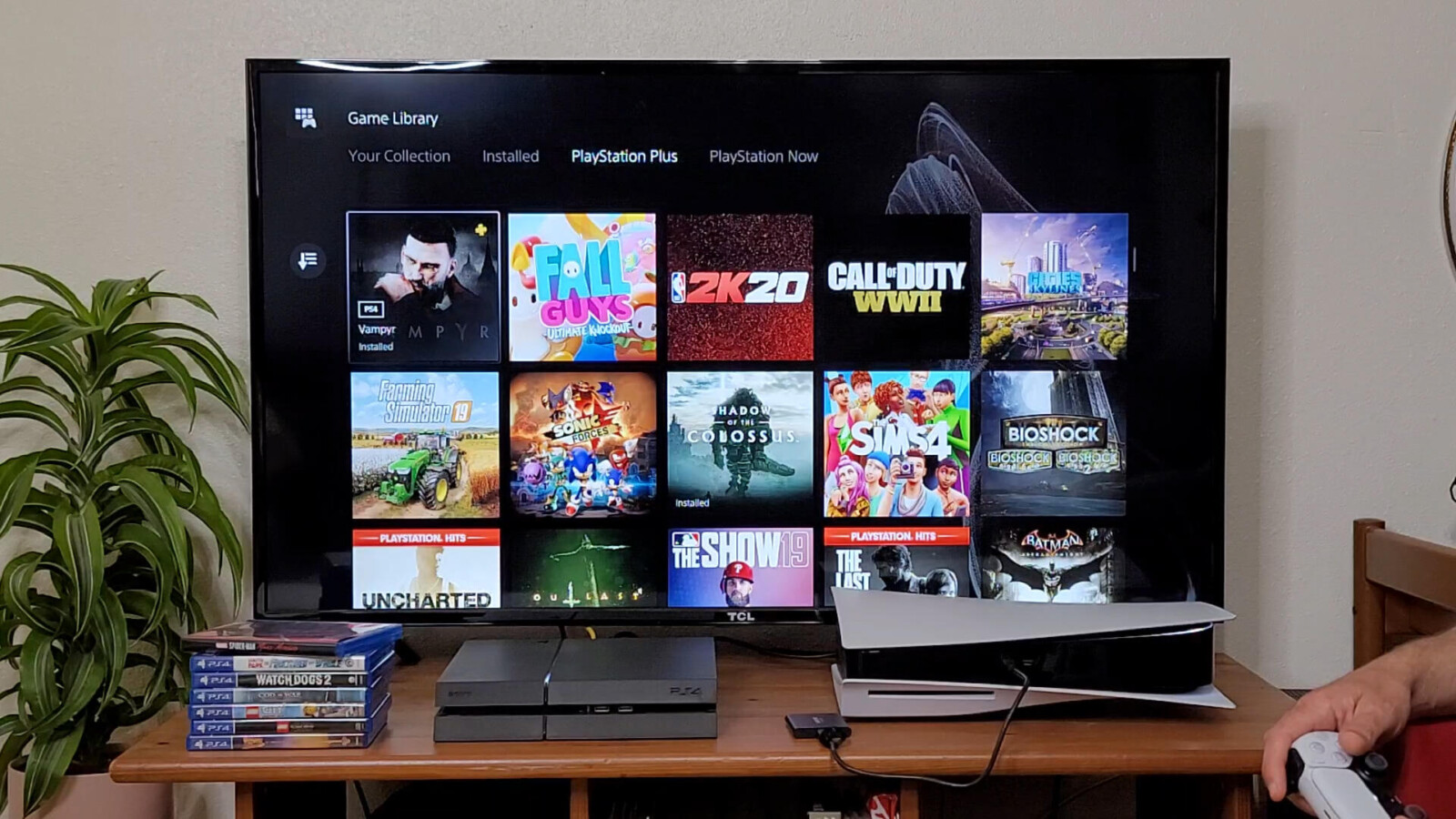
Sony PlayStation users have received a fresh reminder that their digital games are only licensed and not owned outright, arriving at a particularly sensitive moment for the company. Over the past week, the firm sent emails to PlayStation account holders containing its full Terms of Service, which explicitly state that digital titles are “licensed” rather than “sold”.
In isolation, such a communication is routine. The email informs users that they have recently accepted the latest Terms of Service, Code of Conduct and End User Licence Agreement. Yet the timing has drawn considerable attention, coinciding with mounting frustration over Sony’s decision to remove the physical disc drive from the PlayStation 6.
A Backlash Over Physical Media
Sony has confirmed it will stop producing game discs altogether from January 2028. The announcement came just days after the company removed several digitally purchased films from users’ accounts, intensifying concerns about what buyers actually control once a purchase is complete.
The reaction has been strong enough to prompt a PlayStation boycott, with players pledging not to buy, log in to or play games for a week in protest against the move away from physical media. The email itself was noticed and shared publicly over the weekend, adding to the sense that the message landed at an awkward time. Arriving in the middle of a protest focused on ownership, the communication served to underline that customers are purchasing a licence to use a game under the company’s terms rather than owning the product itself.
The Shift From Owning To Leasing
The situation reflects a wider pattern across gaming and technology, where companies appear to be moving steadily away from the concept of ownership. Instead, consumers are increasingly asked to retain access to products that may be revoked or restricted at the company’s discretion. Rather than a single dramatic change, these shifts have accumulated gradually through a series of small alterations affecting customers over time.
Printers offer one example, with hardware programmed to lock users out if third-party ink cartridges are detected. A buyer may own the device, but it can refuse to function unless filled with the official, more expensive cartridges. Subtler examples affect purchasing power too. One major manufacturer raised laptop prices this year, then introduced a scheme allowing customers to rent a machine instead. Under such an arrangement the customer would not own the device, meaning access could be withdrawn if a lease payment were missed.
Music and film have followed a similar path, with streaming established as the norm for years. Consumers are periodically reminded that they are renting the ability to listen or watch rather than owning the content outright.
Sony has stated that it will cease production of physical game discs from January 2028.