
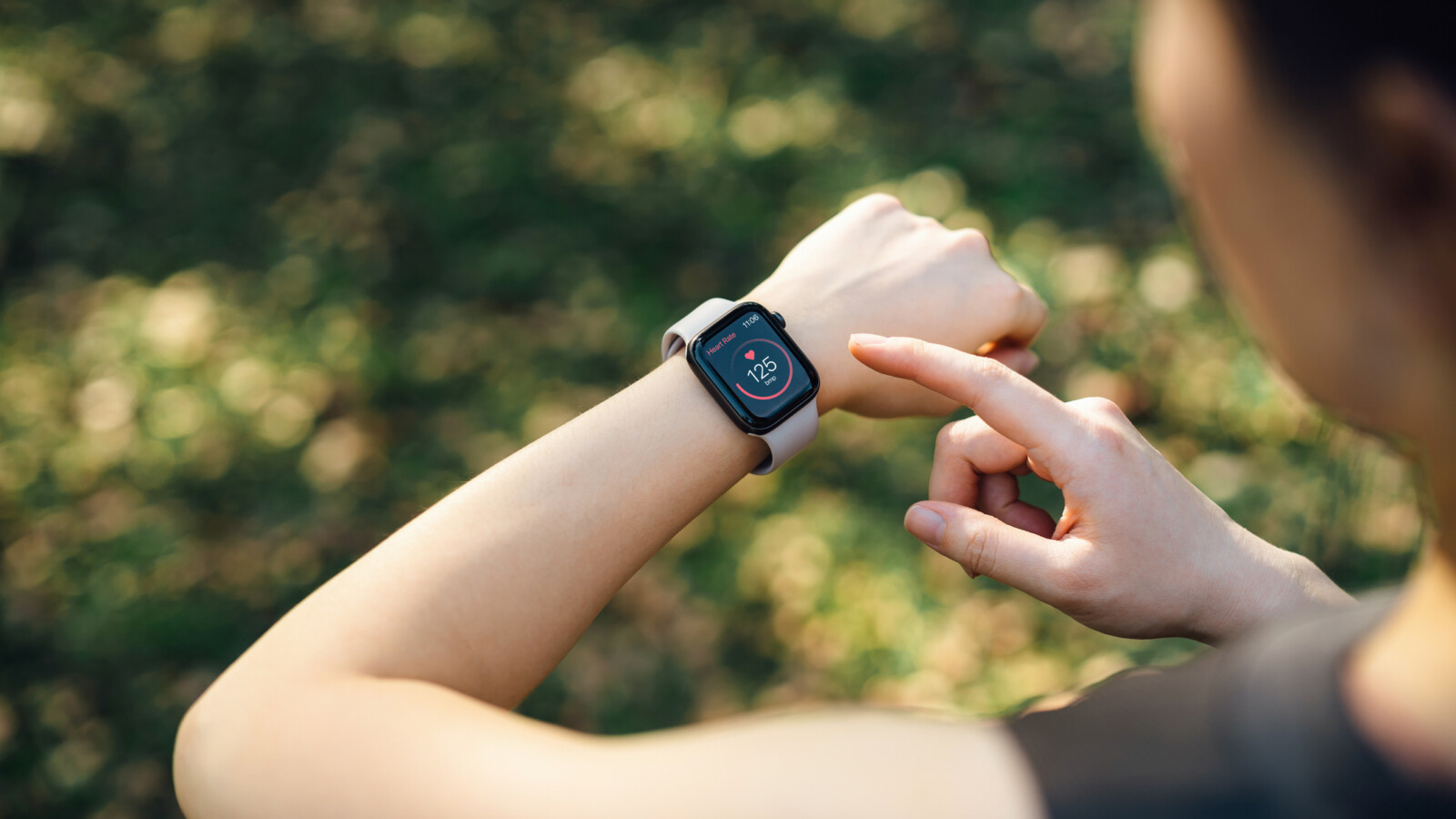
Smartwatch calorie tracking may be far less reliable than many users assume. A new study from Florida International University (FIU) found that popular fitness watches consistently overestimate how many calories people burn during exercise, with some brands making more errors than others.
If you rely on your wearable primarily to measure calorie burn, the findings suggest it may be time to rethink that approach. While smartwatches remain useful for activity and sleep tracking, the calorie readings they produce can be off by a wide margin.
How the Study Was Conducted
Researchers tested four devices: the Apple Watch Series 8, Fitbit Sense 2, Samsung Galaxy Watch 5, and Garmin Forerunner 955. The study included 58 participants, each of whom wore all of the watches during controlled testing.
To establish an accurate baseline, participants also wore a Cosmed K5, a device that measures energy expenditure, along with an electrocardiogram chest strap to track heart rate. Age, sex, height, and weight were entered into each device. Participants then completed a workout on a stationary exercise machine, and results from every device were compared against the reference measurements.
Where the Watches Fell Short
The study found the watches averaged a 15 to 25% margin of error, overestimating calories burned across the board. In practical terms, if your watch reports 200 calories burned during a brisk evening walk, your actual figure would likely land somewhere between 160 and 174 calories.
Accuracy also varied by brand. The Apple Watch posted the smallest margin of error, while Samsung and Garmin struggled more with overestimation. The Fitbit Sense 2 experienced numerous glitches during testing, prompting researchers to exclude some of its data because of tracking problems.
The team also observed that accuracy declined as body fat increased, though they have not determined the reason behind that pattern.
Why the Numbers Matter
In a press release about the research, lead author Jason Kostrna, associate professor of kinesiology and exercise science in FIU’s College of Arts, Sciences and Education, warned against leaning too heavily on daily calorie readings.
“You could be hundreds of calories off each week and easily end up in a calorie surplus when you think you’re in a calorie deficit,” he said.
Rather than treating the numbers as exact, Kostrna suggested users pay close attention to how their bodies and energy levels feel throughout their routines. For anyone managing weight or nutrition, the study indicates that smartwatch calorie estimates should be treated as rough guides rather than precise measurements, with an error range that can reach 25%.