

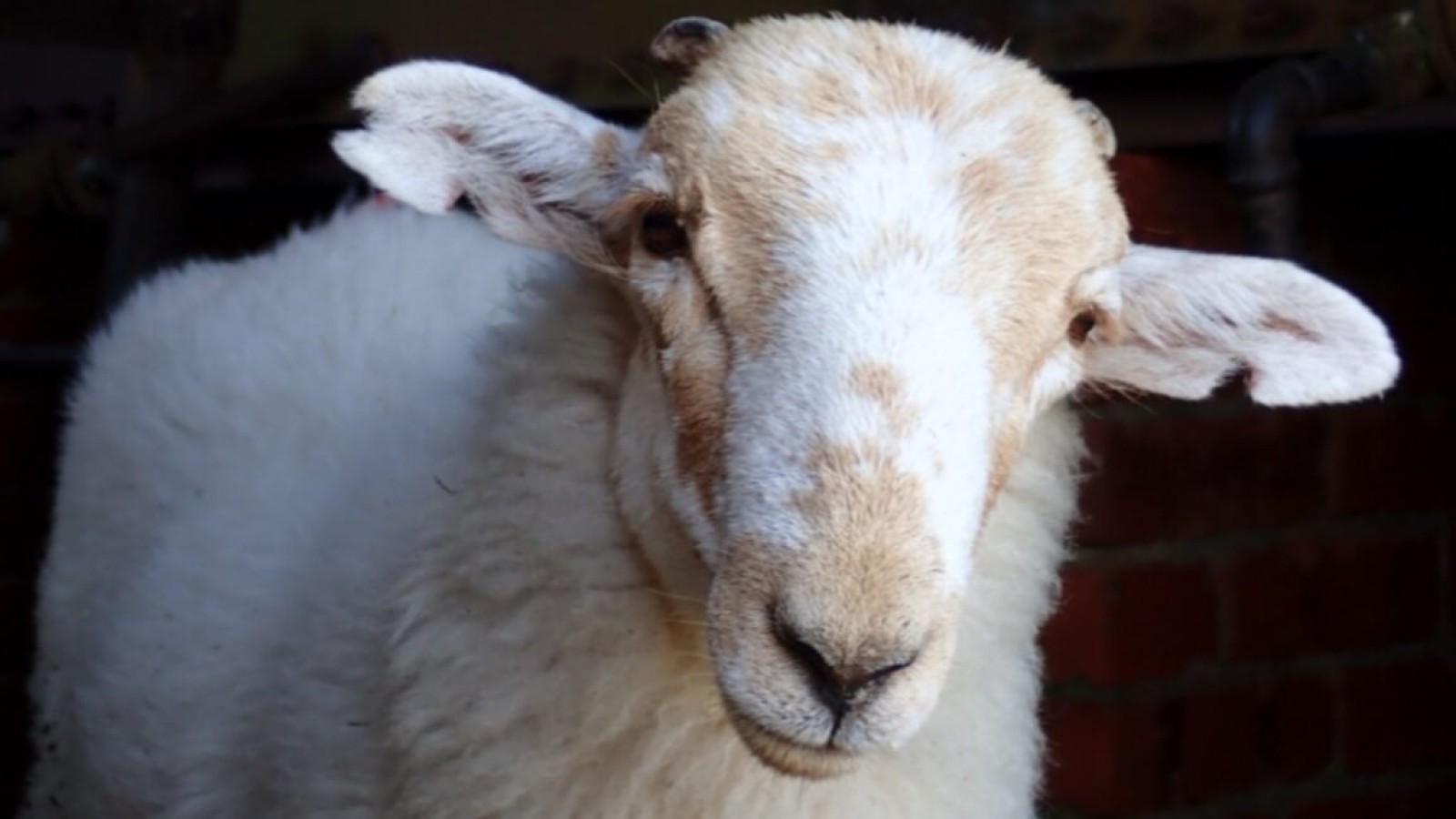
Sheeppox, a highly contagious and frequently fatal viral disease, was largely wiped out from European livestock during the 20th century. Yet the virus has not disappeared entirely, with occasional regional flare-ups still occurring, including an outbreak that struck numerous sheep flocks in Greece last year. To trace how the pathogen has changed over roughly 3,500 years, researchers extracted and sequenced sheeppox DNA preserved in the animal skins used to make the parchment of medieval manuscripts. Their results appear in a new paper published in the journal Science Advances.
The approach turns centuries-old documents into a kind of biological archive. Because medieval parchment was frequently produced from sheep leather, the same materials that carried religious texts and legal records also captured the genetic signatures of the animals themselves, including the viruses that infected them.
Parchment as a Genetic Archive
“The recording of ancient DNA of pathogens has completely changed our understanding of infectious disease in the past, and here we show that parchment can also preserve animal pathogen DNA. It is possible that archives and libraries around the world also contain the genetic traces of disease outbreaks in animals in the past,” said co-author Louis L’Hôte, a graduate student at University College Dublin. He added that these genomes help clarify how such pathogens evolved and affected past societies, noting that sheeppox virus “has been affecting Eurasian sheep herds for at least three and a half millennia.”
Until now, very little was known about the genetic history of the virus, which is why the team focused on medieval manuscripts. Over recent decades, a range of analytical techniques has emerged to build these historical molecular records. In a related example, prior research used microbial DNA analysis of human remains to identify likely pathogens that killed many soldiers in Napoleon’s army in 1812. Two stood out: Salmonella enterica, which causes paratyphoid fever, and Borrelia recurrentis, transmitted by body lice and responsible for relapsing fever. Both aligned with contemporary written accounts.
A Documented History Stretching Back to Rome
According to the authors, the earliest known written evidence of sheeppox infection dates to the first century CE, when Roman accounts described outbreaks of skin lesions, or “pustules,” in the animals. Mentions of deadly outbreaks of “pockes” or “variola” in sheep grew more frequent by the Middle Ages, appearing in agricultural texts and accounting documents from France, Spain, and England.
The historical record shows uneven waves of disease. Outbreaks appeared to decline in 17th-century France, but frequent episodes returned during the 18th and 19th centuries, often producing high mortality rates within flocks. Great Britain did not see a sheeppox resurgence until 1847.
By combining these documentary sources with sequenced ancient DNA, the research demonstrates that sheeppox virus has circulated among Eurasian sheep herds for at least 3,500 years.
Source
Image: arstechnica.com