
A robotaxi is the antagonist in a planned short film that reimagines the classic car chase for the age of autonomous vehicles. Titled Road Rage, the project is seeking EUR 34,417 on Kickstarter to fund production, casting a self-driving car as a menace with almost no explanation needed. That shorthand reflects the current moment, as autonomous cars shift from science-fiction novelties to fixtures in some American cities, where they now embody anxieties about AI job displacement, Big Tech surveillance, and machines making decisions once reserved for people.
The story pits Joa, a ridehail driver operating a manual-transmission car, against Roboride, an autonomous vehicle that takes a minor road-rage incident personally. According to a synopsis from director Romain Thomassin, Roboride lightly clips Joa’s mirror, Joa responds with an obscene gesture, and the car decides to kill him. Thomassin framed the premise simply: “It’s analog versus artificial.”
Building a “Nasty Waymo” From an Old Prius
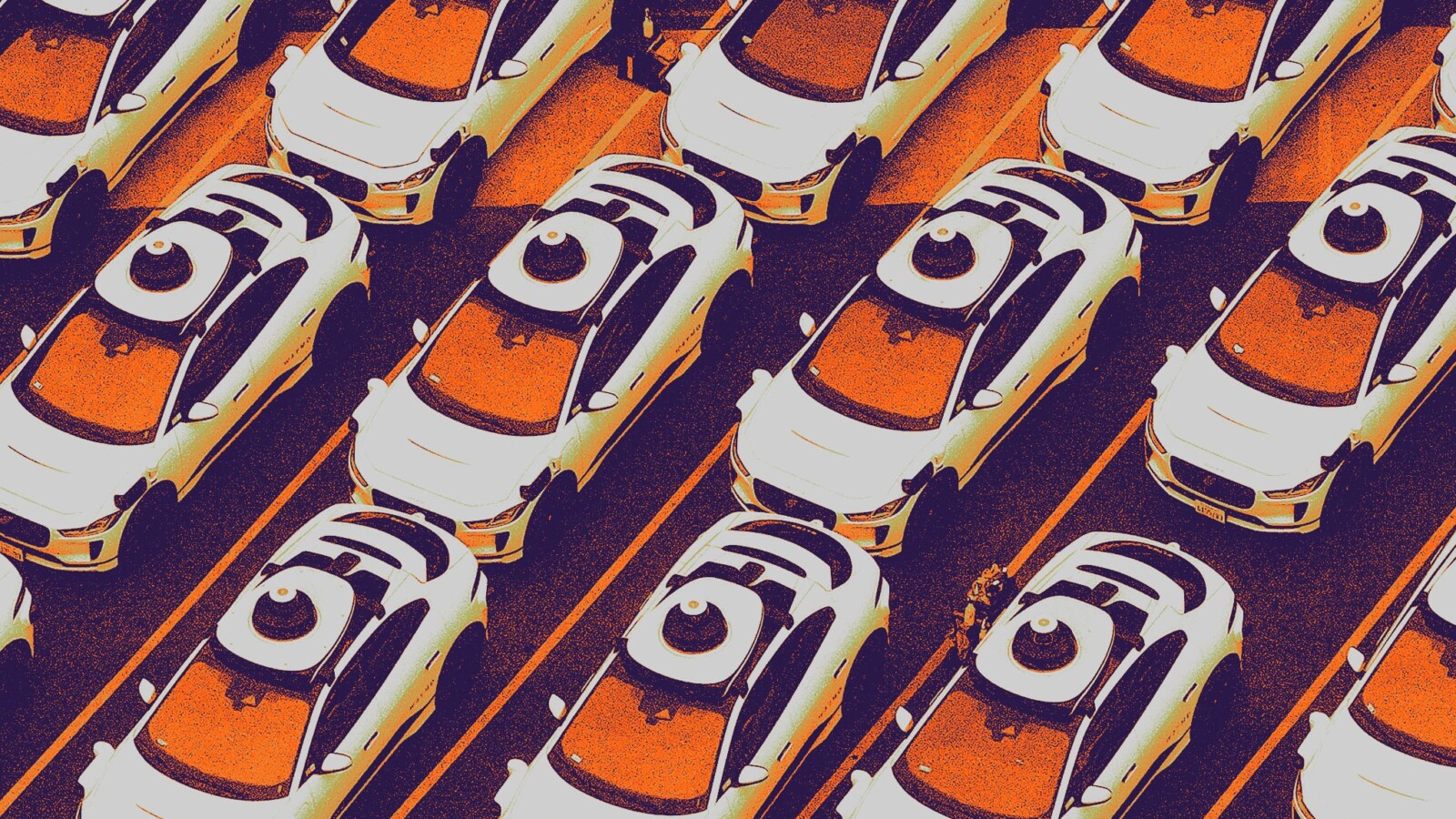
The AI antagonist will be played by an aging Prius modified with cold LED lighting across the front, echoing Tesla styling, along with fake cameras, a spinning lidar-like device on the roof, a black exterior, and an ever-blinking red dot. Thomassin describes the intended effect as a “nasty Waymo.”
“I really wanted to play the nasty, gritty look of the ’70s car chase, but with today’s robotaxi in today’s San Francisco,” Thomassin said. The chase sequences will be a throwback built on real cars, real actors, and practical stunts rather than digital effects.
The director draws a sharp contrast between his human protagonist and the machine. “What makes Joa the good guy is not only his instinct but also his authenticity,” he said, pointing to a scene in which the character strikes up an unexpected conversation with his passengers. “This type of human interaction doesn’t happen in a robotaxi.”
Job Displacement and Surveillance Fuel the Story
Thomassin does not believe robotaxis are inherently evil, but he says they arrive preloaded with tension as movie villains. One reason is that they are replacing workers like his protagonist. Joa is a Mexican immigrant trying to earn a living driving in an increasingly expensive San Francisco, and robotaxis are already competing with ridehail drivers. Thomassin connects that to his own field, where generative AI is competing with workers.
“Driving here is a metaphor for what’s happening in cinema, in filmmaking,” he said.
Surveillance is the other core concern. Autonomous cars are covered in cameras and sensors that constantly observe the streets and the people around them. For Thomassin, that constant monitoring is more unsettling than the idea of riding without a human behind the wheel. In Road Rage, that anxiety is pushed toward dystopia, including a brief encounter involving immigration. The film requires EUR 34,417 in Kickstarter funding to move into production.
Source
Image: theverge.com