

Pangram is positioning itself as part of the internet’s emerging “trust layer,” a growing category of startups built to help platforms and users tell what is authentic online. As AI-generated text and images increasingly appear in job applications, product reviews, and even insurance claims, the pressure to verify content has moved well beyond spotting so-called AI slop in social feeds.
The company recently raised EUR 8 million to expand its AI detection system, underscoring investor interest in tools designed to identify machine-written material at scale. Pangram argues that the challenge is more complex than a simple “real or fake” verdict, in part because the line between AI-assisted and fully AI-generated content is often blurred.
The Substack Partnership
One of Pangram’s most notable moves is a partnership with Substack. The newsletter platform is now using Pangram’s technology to indicate to readers which authors rely on AI to help write their newsletters. The integration reflects a broader push toward transparency, giving audiences insight into how the content they read is produced rather than leaving them to guess.
For writers and readers alike, the feature adds a layer of disclosure to a medium built largely on direct relationships between creators and their subscribers. It also signals how detection tools are moving from experimental technology into everyday consumer-facing products.
Expanding Into Image Detection
Beyond text, Pangram has released a new AI image detection tool, broadening its focus as synthetic media becomes more common across the web. The addition addresses a parallel concern: visuals that are difficult to distinguish from authentic photography, which can affect everything from marketplace listings to news content.
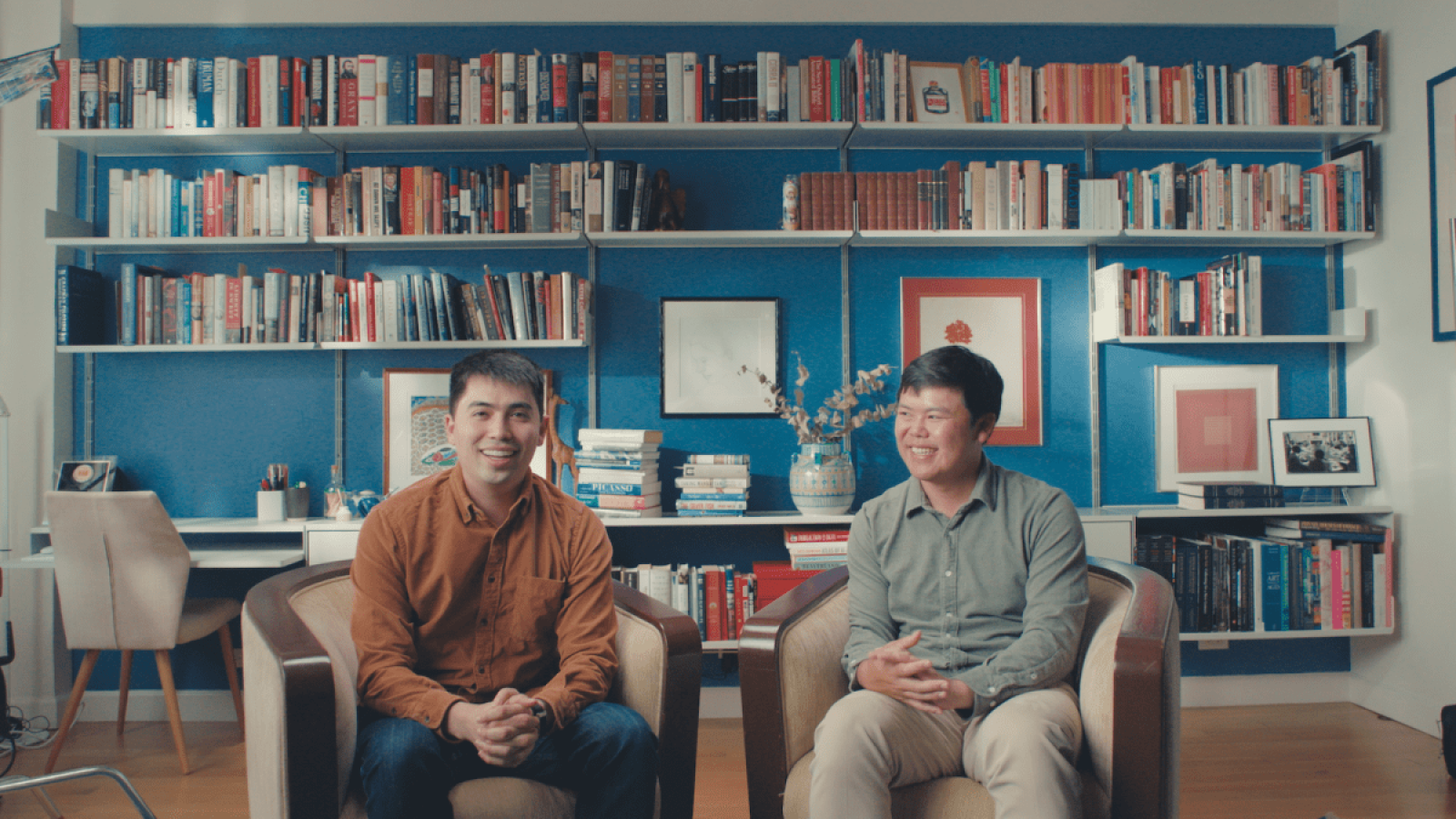
Co-founder and CEO Max Spero has discussed the promise of AI detection tools and the difficulty of defining where AI assistance ends and AI generation begins. That distinction is central to how detection systems are built and how platforms decide to label content, particularly when a human and a model collaborate on the same piece of work.
The rise of companies like Pangram reflects a wider shift in how the tech industry is responding to trust concerns online. Rather than relying solely on user judgment, platforms are increasingly turning to automated systems to flag or disclose AI involvement. With its recent funding, Substack integration, and new image tool, Pangram is expanding across both text and visual detection as demand for verification grows across the US market.
Source
Image: techcrunch.com