

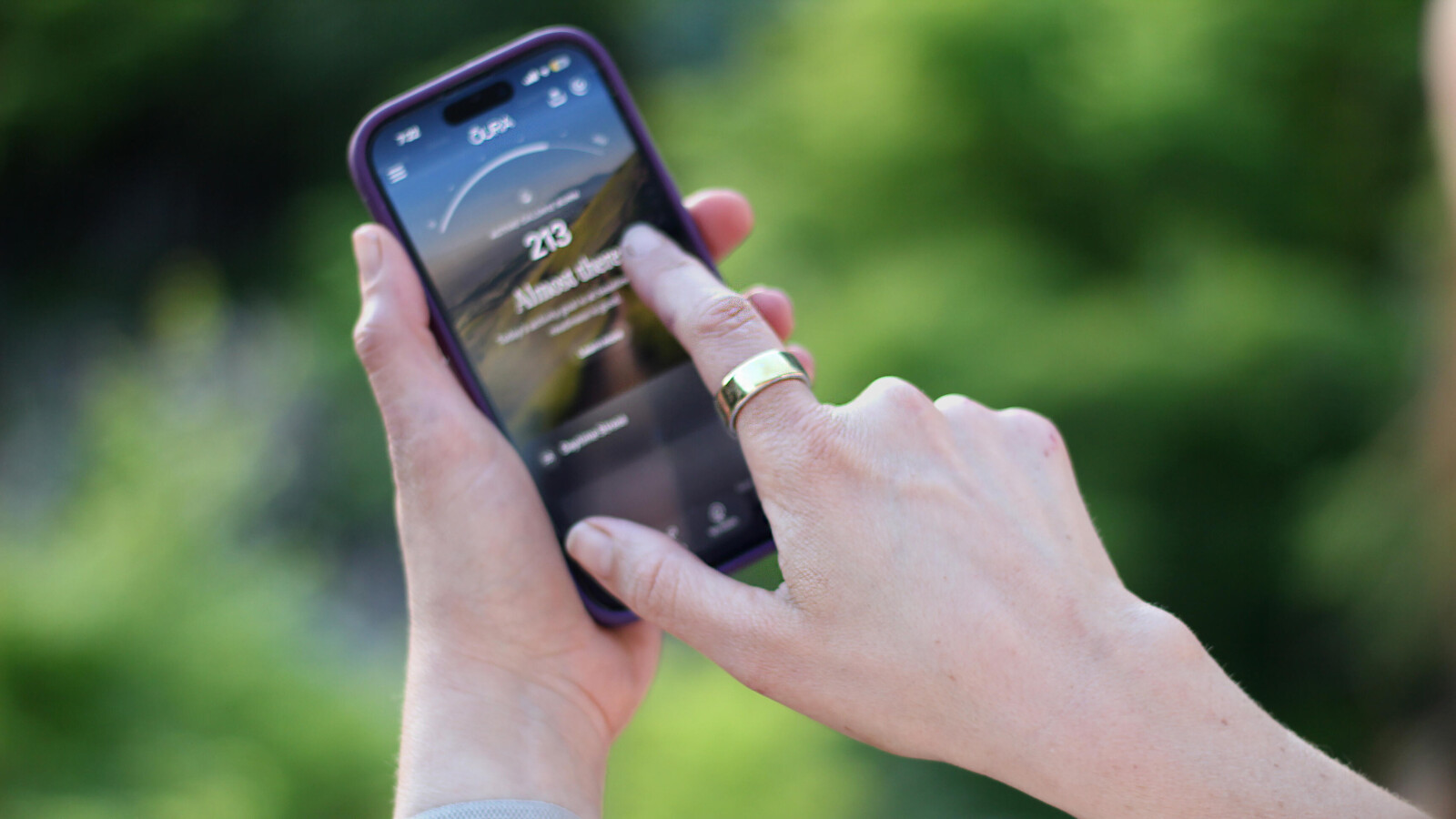
Oura’s Menopause Impact Scale is moving beyond the company’s app and into the broader women’s health care ecosystem, giving providers a shared way to measure how menopause affects a woman’s quality of life. The maker of the Oura Ring announced the expansion this week, naming its first 10 partners across clinical care, women’s health and biomarker tracking.
Menopause affects roughly 1.3 million women each year in the United States, yet the transition remains stigmatized and understudied. A growing wave of femtech is beginning to change that. Apple added support for tracking both menopause and perimenopause in its Health app in June 2025, one month after Oura introduced its Menopause Impact Scale (MIS) as a self-reported questionnaire in its app.
The initial group of partners includes menopause-focused clinical care companies Alloy Health, Gennev, Wisp and Pomelo; women’s health care companies Maven, Tia and Xella; and hormone and biomarker tracking companies Oova, Mira and Hertility.
“By integrating the MIS into how our partners work with patients, we’re giving women a measurement that travels with them and gives every provider they see the same starting point,” said Dorothy Kilroy, Oura’s chief commercial officer.
How the Menopause Impact Scale Works
Developed by Oura’s science and clinical teams, the MIS differs from older menopause assessment tools that were created decades ago and measure only symptom frequency and severity. Instead, the MIS asks users to reflect on 22 symptoms tied to perimenopause and postmenopause across seven domains: sleep maintenance, cognitive functions, body image, hot flashes, sexual function and vaginal symptoms, musculoskeletal pain, and urinary tract symptoms.
For each symptom, users indicate how much it has affected their quality of life over the past two weeks, choosing from none, a little, moderately, quite a bit or extremely. A mean score is calculated for each domain on a scale of 0 to 4, and the sum produces a total impact score from 0 to 28. A score of 0 to 7 indicates minimal impact, 7 to 14 mild impact, 14 to 20 moderate impact, and 21 to 28 high impact.
Both total and domain scores can be exported as a PDF for sharing with a doctor. After the first assessment, a reminder arrives 30 days later so users can reassess and track symptom trends over time. More than 600,000 Oura members have completed the MIS, and 35% of those who finished it once returned to complete it at least one additional time.
Like the Oura Ring and the app’s other features, the questionnaire is not intended to diagnose or treat medical conditions, and a doctor is still required for that.
When the Integrations Go Live
Starting this week, Oura members can integrate their MIS results with Alloy Health, Oova, Xella, Pomelo and Wisp. Integrations with Maven, Mira, Hertility, Gennev and Tia are scheduled to arrive later this year, though no specific dates have been set.
Accessing the MIS requires the Oura app and a subscription, which is available to Oura members.