

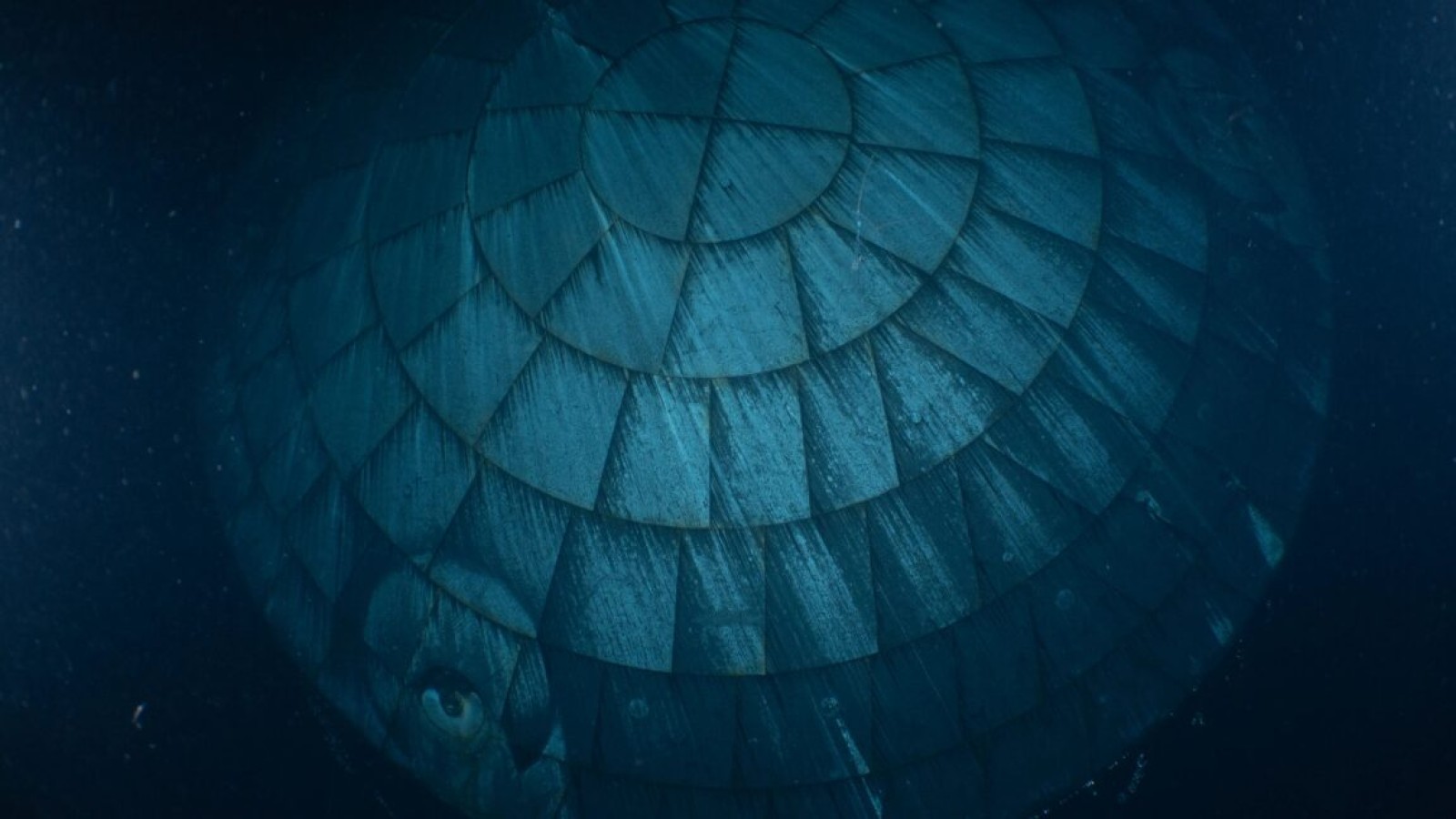
The Orion heat shield, once a major source of concern for NASA engineers, performed far better than anticipated during the Artemis II mission’s return through Earth’s atmosphere this spring. The ablative shield, engineered to char as it protects the crew during reentry, had raised red flags after shedding large pieces during a 2022 test flight.
Ahead of Artemis II, the central question surrounding the mission was whether the heat shield at the base of the spacecraft would hold up. Following extensive review and internal debate, NASA opted to fly the existing heat shield without modification while adjusting Orion’s reentry trajectory instead.
The decision paid off. The Artemis II crew, commanded by Reid Wiseman, splashed down safely in the Pacific Ocean after circling the Moon. While early comments from the crew and agency officials described the shield as looking good, a detailed data review has since confirmed just how well it performed.
A Dramatic Improvement Over Artemis I
During a meeting of NASA’s Aerospace Safety Advisory Panel this week, members reviewed the agency’s findings following a visit to the Ames Research Center in California. Panel member Paul Hill, a former director of Mission Operations at NASA, called the condition of the heat shield “highly satisfying.”
The numbers illustrate the progress. After the 2022 Artemis I mission, engineers documented more than 100 char loss sites across the dish-shaped shield, some measuring more than an inch deep. On Artemis II, only about nine char loss sites were observed. “So it was a big improvement,” Hill said.
At the base of Orion sit 186 individually attached blocks of a material called Avcoat, forming a protective layer that lets the spacecraft survive the intense heat of reentry. Analysis after Artemis I found the Avcoat was “impermeable,” meaning it could not breathe. During reentry, trapped gases inside the shield led to cracking.
Trajectory Changes and Future Missions
Rather than replace the shield with a newer, more permeable version, NASA chose to alter Orion’s reentry profile. For Artemis II, the capsule returned at a steeper angle, spending less time in the conditions that triggered the outgassing seen on the earlier flight.
The approach worked, though it came with a tradeoff. According to Hill, the revised profile cut the vehicle’s downrange capability from 4,800 nautical miles to 1,775 miles. Downrange capability refers to how far a spacecraft can travel relative to Earth’s surface after atmospheric reentry. Greater downrange gives mission planners more flexibility in choosing splashdown sites when weather shifts and expands options for return trajectories from the Moon.
For Artemis III and later flights, NASA plans to switch to a more permeable Avcoat material. Hill said the upgrade should allow Orion to reenter without char loss while restoring a much larger downrange capability.
Source
Image: arstechnica.com