
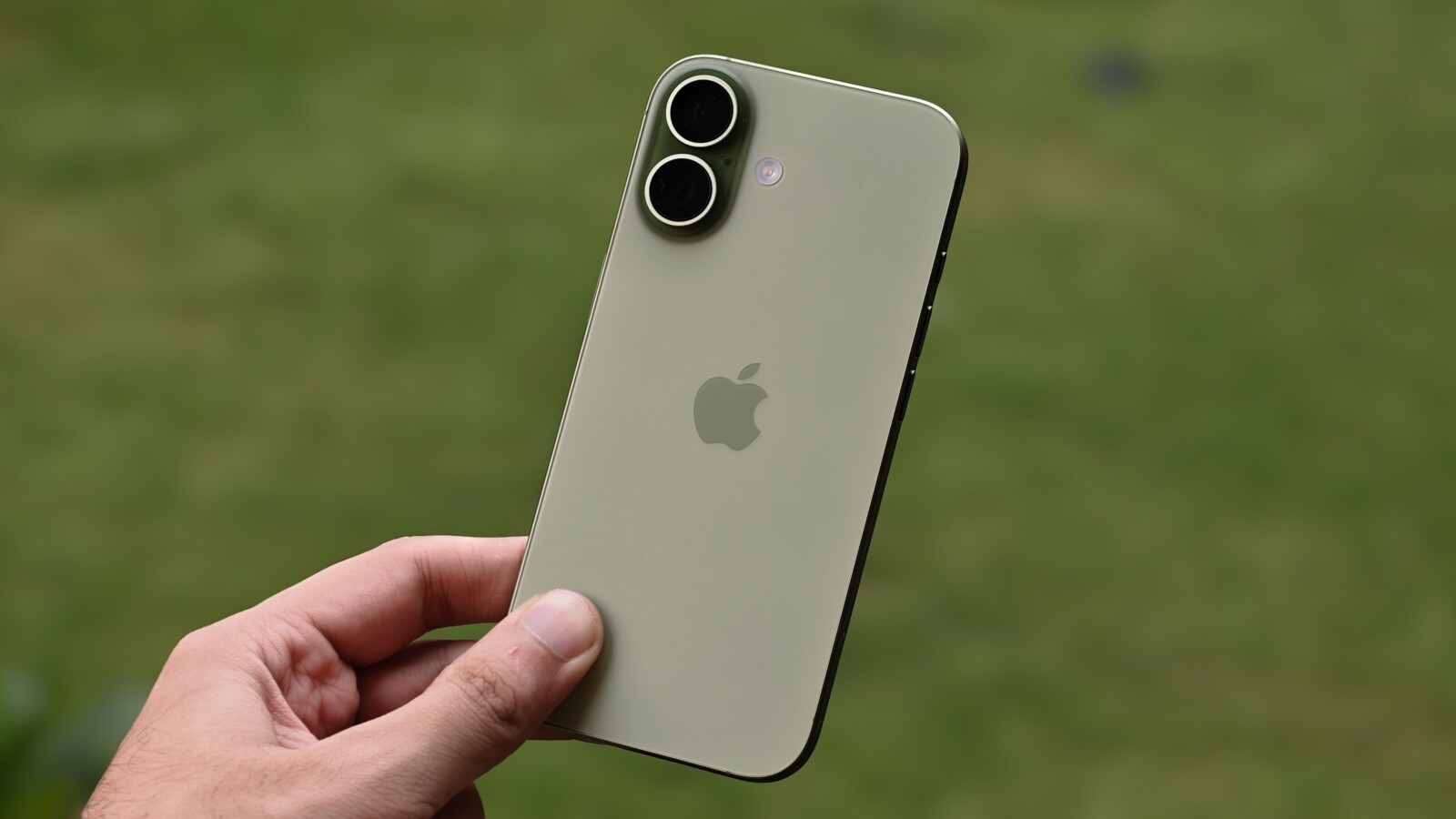
The iPhone 17 has quietly become one of the best values in Apple’s lineup at EUR 686, and shifting release timing may make it an even smarter buy in 2026. Reports suggest Apple could hold off on launching the iPhone 18 until March 2027, when it would arrive alongside the iPhone 18E. That would leave the current standard model as the entry point for buyers who need a new phone sooner or want to avoid spending EUR 945 or more on a Pro tier device.
Timing aside, the iPhone 17 remains competitive against Android rivals heading into the next-generation iPhone announcement scheduled for Sept. 9. It has also become the most affordable entry-level flagship across major brands, as Samsung and Google raised prices on their base models following a surge in RAM costs tied to AI and data center demand.
Display, Durability, and Camera Upgrades
The iPhone 17 delivered several meaningful improvements last year. Its screen now matches Apple’s Pro models and leading Android phones, running at a smooth 120Hz refresh rate that adapts to on-screen content to conserve battery. Compared with the iPhone 15, the smoother scrolling is immediately noticeable and makes the phone feel faster and more responsive.
The display is also brighter and less reflective than the previous generation, which helps when navigating outdoors or working under bright lights. Placed next to the new Pixel 11, the two are equally bright, but the iPhone 17’s smaller bezels give it a more pleasing look.
Durability got a boost as well. Apple’s 2025 iPhones use Ceramic Shield 2 glass, the same material found on the iPhone 17 Pro Max, which has held up better against scratches and drops during extended case-free use than the 2024 iPhone 16 Pro.
A Standout Selfie Camera
The front-facing camera may be the most useful upgrade. The new 18-megapixel square sensor is a quality-of-life improvement rather than a simple spec bump, letting users capture landscape selfies without rotating the phone. The viewfinder automatically adjusts its framing based on how many people are in the shot.
That sensor also enables Center Stage, which tracks a subject during video calls on FaceTime and third-party apps even while moving. Combined with improved stabilization, the auto framing feature makes recording with the front camera far easier. Apple extended Center Stage and Dual Capture across the entire lineup, adding to the standard model’s overall value.
With the iPhone 18 potentially not arriving until March 2027, the iPhone 17 is positioned to compete against newer models for well over a year at its current EUR 686 price.