
AI-generated music is flooding the internet, and a growing number of musicians are pushing back. As audio-focused generative tools and platforms have grown more sophisticated, streaming services and social feeds have filled with tracks whose melodies and vocals are algorithmically derived from the work of human artists. Some creators openly admit to using the technology. Others deny it until mounting public scrutiny forces them to tell the truth.
The question of what counts as “real” music feels especially urgent in technology-focused spaces like electronic dance music. Listeners can call out performers they suspect of leaning on generative tools, but it is a different matter when artists publicly question their professional peers. A handful of producers are doing exactly that, posting videos that name anyone they believe is passing off AI output as human-made work.
Why One Producer Is Speaking Out
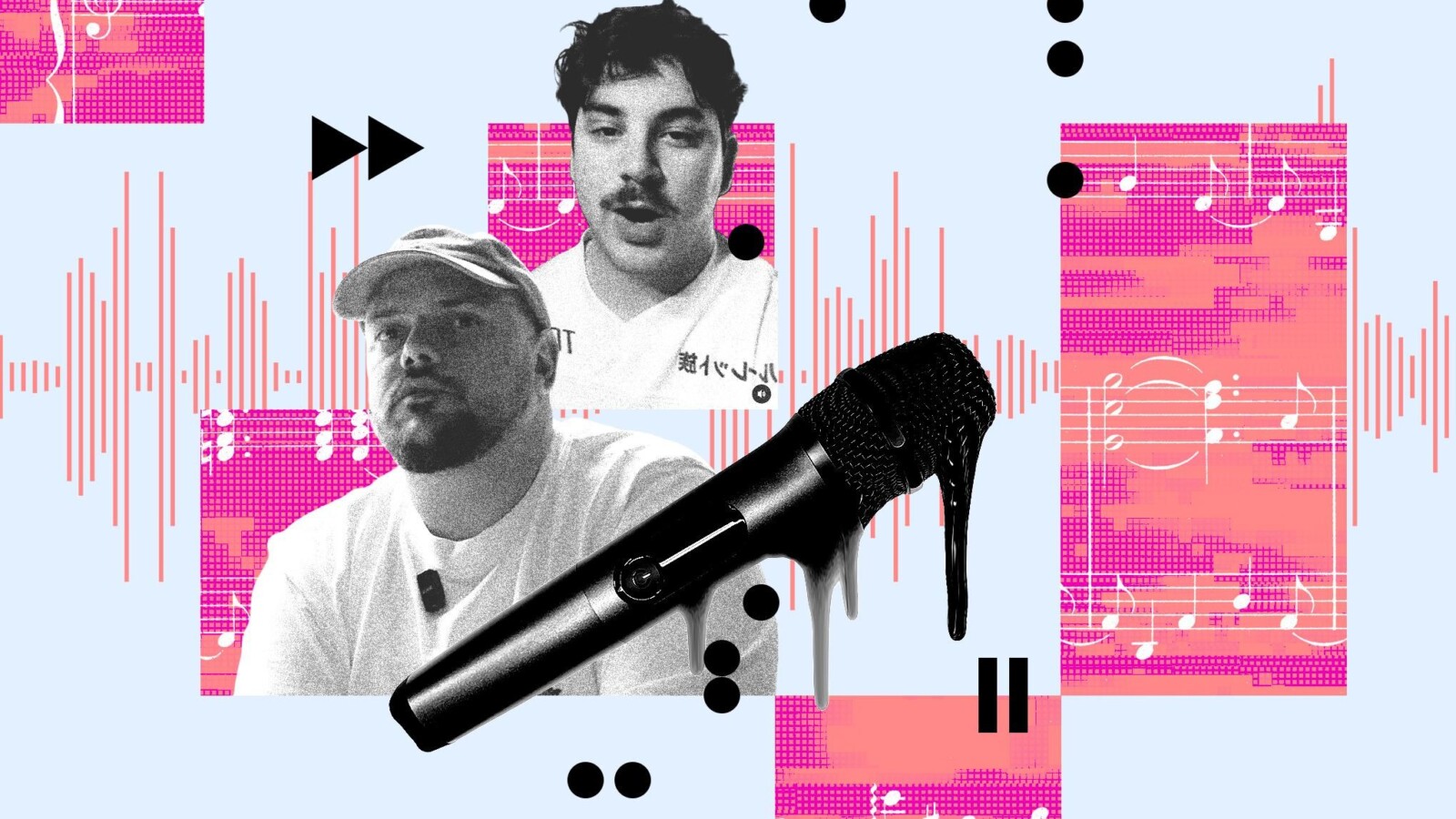
Max “H4RRIS” Harris, a 26-year-old EDM producer originally from Maine, is among those taking a stand. He describes AI-generated music as “a kind of decoy art form” and argues that the people making it do not have anything meaningful to say through their creations. In his view, genuine art in any medium is “created by people that are trying to express feelings and messages,” while AI boosters are chiefly interested in a quick profit.
“I don’t consider AI-generated material to be art, and I don’t think this technology is really advancing art in any meaningful way,” Harris said. “It’s a technological advancement that’s giving people a way to steal real art and pass it off as their own.”
The Human Workflow Behind a Track
Harris compares his process to working in any other creative medium. He starts with a core concept, then keeps “throwing more ideas down until I find something that sticks.” His production setup includes Ableton Live, a Novation Launchkey 49 MIDI controller, Ableton Push 3, Launchpad X, a pair of analog synthesizers, Serum, Diva, and the software sampler Kontakt. Despite the complexity, he says the work is “really just me making creative decisions” that build toward a sound that feels right.
“Each of those decisions, and there’s hundreds of them to go into each song, brings me closer to evoking a specific kind of idea or emotion,” Harris explained. Once a song is mapped out, he added, he must make further choices about mixing it so it sounds “good and presentable.”
The Concern About Listeners
For Harris, being a real artist means making experimental but informed decisions grounded in a studied understanding of a medium. One of his biggest objections to generative AI is how it removes the need to think about how songs, books, films, and podcasts come together. He is also troubled by the way AI imitators are muddying listeners’ understanding of what human-made music actually is, blurring the line between authentic craft and algorithmic output.
Source
Image: theverge.com