
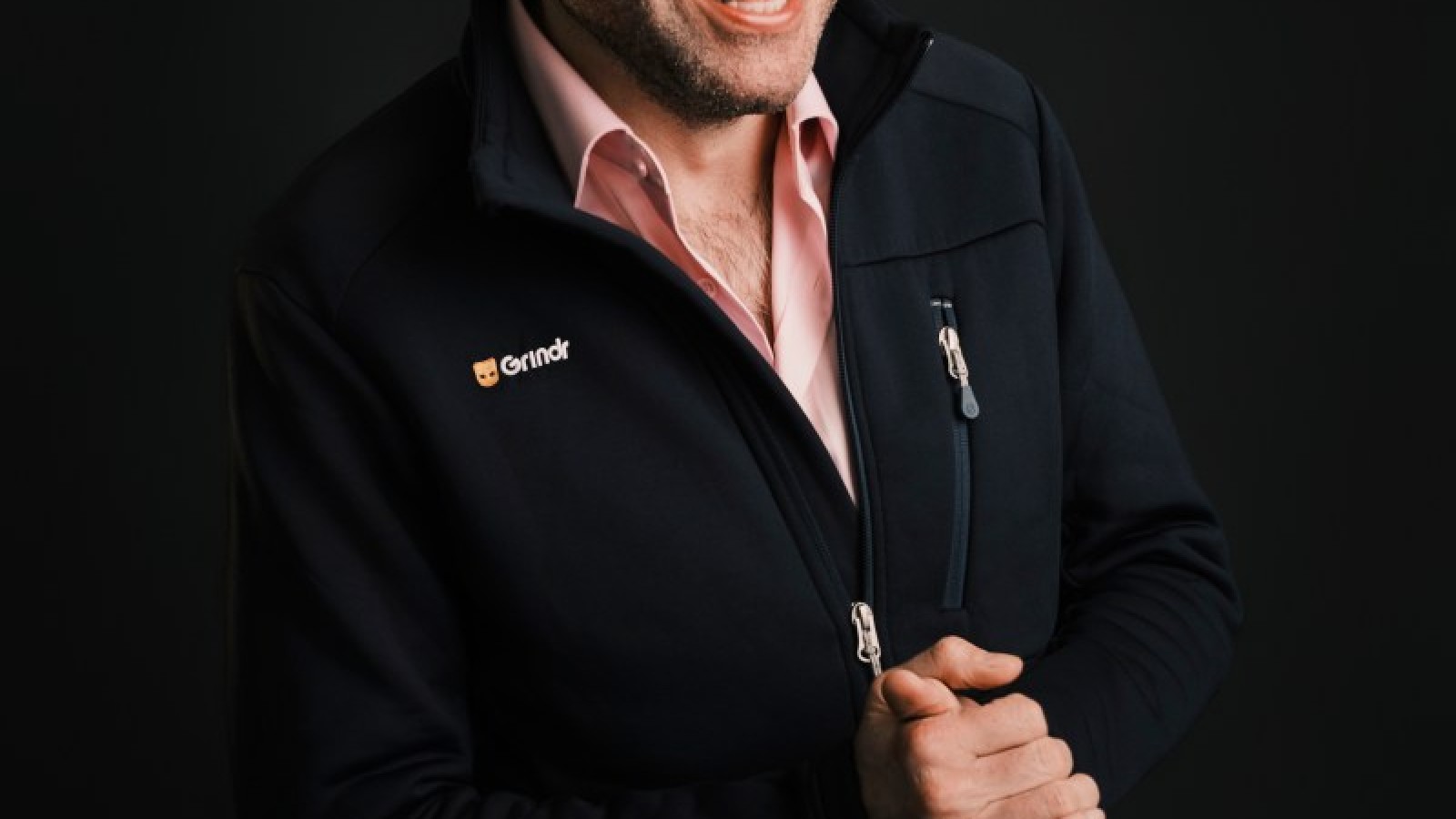
Grindr is positioning itself as an all-in-one platform for gay men, and investors remain divided over whether the company can deliver on that ambition. Since George Arison became CEO in 2022, the app has transformed from a business with strong cash flow but little strategic direction into a genuine growth story.
When Arison took over, Grindr had passed through a turbulent ownership history, moving from Chinese control to a forced divestiture and ultimately a private-equity rescue. Four years later, after a SPAC listing and a widely debated return-to-office mandate, the numbers tell a different story. Revenue is on track to roughly triple, rising from EUR 167 million in 2022 to guided figures above EUR 464 million this year, while adjusted EBITDA margins hold above 40%.
Growth Driven by Higher Spending, Not More Users
Most of that expansion has come from encouraging existing customers to spend more rather than from a dramatic increase in the user base. In the second quarter of this year, Grindr counted 1.4 million paying users, about 9% of its total audience. Average revenue per user, however, has climbed considerably since 2022.
Arison’s roadmap centers on turning Grindr into what he calls a “gayborhood in your pocket.” The vision reaches well beyond dating and hookups to include healthcare offerings such as ED medication, HIV prevention, and eventually connecting users with gay doctors, along with travel features designed to help members find community wherever they go. It mirrors the broader “everything app” trend shaping consumer technology.
Later this year, Grindr plans to launch a far more expensive subscription called EDGE, betting that the market will support the higher price point. The tier has already drawn skeptical reactions online, with some users questioning who would pay for it and others asking for the older version of the app to return.
The “Grindr Discount” Debate Among Investors
Arison, who previously founded and led online used-car marketplace Shift Technologies, has actively courted press coverage to argue that institutional investors continue to undervalue Grindr’s stock simply because it is a gay dating app. He recounted an investor who once showed him a financial model containing an explicit “Grindr discount” line, cutting 25% off a fair-value estimate.
Not every analyst agrees the discount is warranted. Morgan Stanley, Goldman Sachs, and Raymond James have all raised their price targets this year, and Morgan Stanley upgraded the stock to “overweight” in July, pointing to the EDGE tier and the company’s telehealth expansion. Over the past six months, the stock has climbed roughly a third.
Even so, the gap persists. Grindr trades at about 11 times projected 2027 EBITDA, a discount of roughly 35% compared with its peers.
Reflecting on his early priorities, Arison pointed to company building as a central focus. Many employees had been hired during the peak-COVID period, when in-office productivity expectations were low. Grindr brought staff back to the office two days a week in the summer of 2023, a move that generated significant backlash. The workforce fell to roughly 70 employees, and only around 25 people who worked at the company before his arrival remain today.
Source
Image: techcrunch.com