

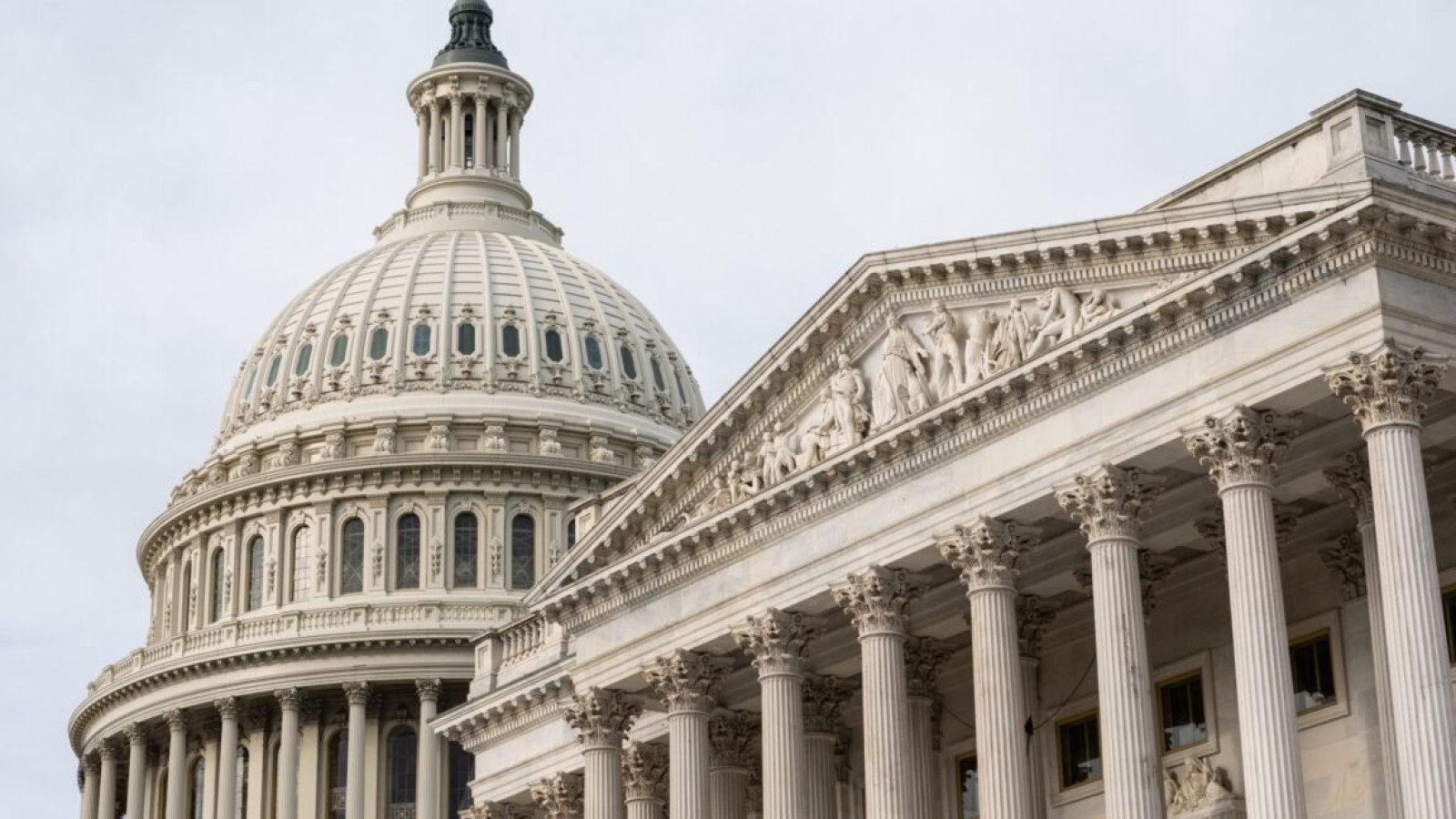
A new stopgap spending measure approved by the House of Representatives on Tuesday would keep the US government funded through early December, and it carries an added benefit for the scientific community: a temporary block on political control over federal research grants. The measure still requires President Trump’s signature, though he is widely expected to sign it to avoid a government shutdown just ahead of the midterm elections.
Short-term funding bills have become routine in recent years, since securing enough political support for a full-year budget in advance is often difficult. In this case, disagreement within the House Republican caucus prevented members from agreeing on their own plan to keep the government running. Instead, the House adopted the version of the spending bill that the Senate had already passed.
Why the Senate Bill Mattered for Science
That decision proved significant for scientists and their advocates. The Senate’s budget bill, passed in early August, includes a provision that prevents the Office of Management and Budget (OMB) from enacting new rules that would give political appointees full authority over which science receives funding. The proposed rules would also have allowed officials to cancel any grant at any time.
The proposed rule drew broad criticism, with many describing it as potentially devastating for research. Scientific and health-focused organizations mounted widespread opposition. That pushback likely influenced Senators Patty Murray (D-Wash.) and Susan Collins (R-Maine) to add language to the budget deal that bars the OMB from implementing the rule before the stopgap measure expires on December 11.
A Temporary but Telling Reprieve
The block is not permanent, but it signals that lawmakers are reluctant to grant the OMB and other administration officials sweeping control over federal spending. The bill cleared the Senate by a 90-6 margin and passed the House 370-48, with opposition in the House focused largely on other parts of the legislation.
Those wide margins suggest that similar protective language could be added to future budget agreements without generating significant resistance. For now, the provision keeps decisions about which research gets funded out of the direct control of political appointees until the current measure lapses on December 11.
Source
Image: arstechnica.com