
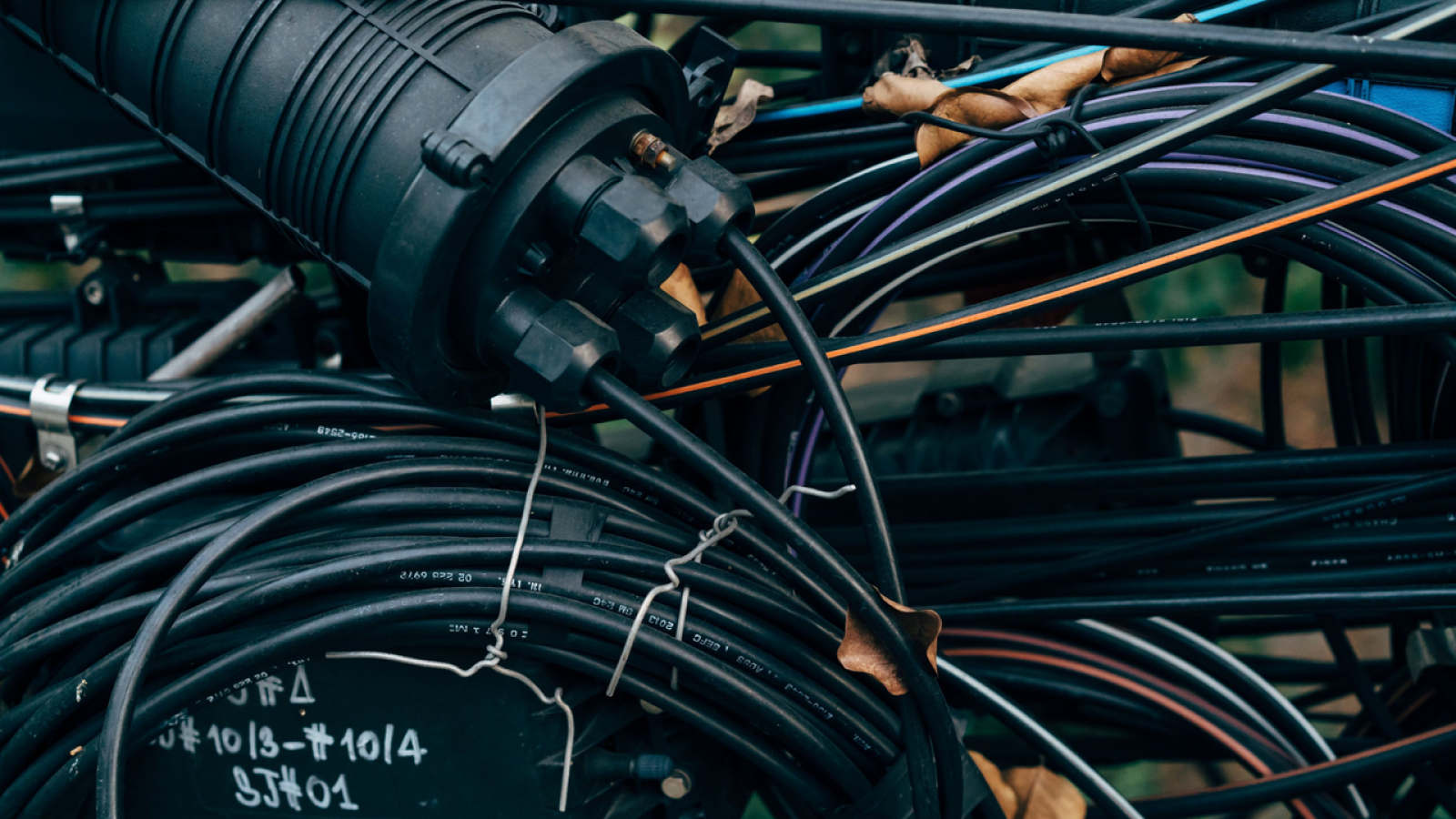
BT, the largest telecommunications provider in the UK, stands to earn as much as EUR 2 billion by recycling copper stripped from its aging network as artificial intelligence drives metal prices to record levels. The company is gradually replacing its legacy copper lines with fiber, shifting residential connections away from copper and recovering valuable material along the way.
BT has signed a deal with EMR, one of the country’s largest cable recycling firms, to recover roughly 200,000 tons of copper over a four-year period. While the full value of the agreement has not been disclosed, EMR has already paid more than EUR 116 million (99 million GBP) to the telecom for a few thousand tons of the metal. Beyond the EMR arrangement, BT and its subsidiary Openreach may also sell recovered copper directly on the spot market.
How the Numbers Add Up
Since beginning its network upgrade, BT has already recovered more than 22,000 metric tons of copper from the system. At a market price of about EUR 7,334 per metric ton, selling that material openly would have generated roughly EUR 161 million in revenue. But surging AI-driven demand has pushed copper past a record EUR 12,079 per metric ton.
The upgrade work is expected to continue well into the 2030s, with Openreach estimating it could still recover up to 200,000 metric tons of material. At current prices, that positions the company to earn an estimated EUR 2 to EUR 2 billion from selling old network cables alone.
Why AI Is Driving Copper Demand
The AI boom is lifting demand across many industries, from memory and storage chips to jet engines and exotic materials such as rare earth elements and glass cloth fibers. Copper is not an obvious match for AI data centers, particularly because the printed circuit boards in their servers contain relatively little of the metal. Data centers are also adopting optical interconnects and silicon photonics, meaning their internal networks increasingly rely on fiber optics.
The demand comes from power delivery. Data centers are forecast to consume 194 gigawatts of power by 2035, and that electricity can only travel through metal cables. Although aluminum wiring can carry power, copper is often preferred for its stability, superior electrical conductivity, greater durability, and better thermal performance. As AI hyperscalers expand and build more facilities, demand for copper wiring will rise accordingly. Utility providers will also need more cabling as they upgrade the grid to supply the electricity that new AI infrastructure requires.
For BT and Openreach, the trend offsets the cost of modernization while customers move to end-to-end fiber connections in their homes, which promise better speed and reliability. Openreach estimates it could recover up to 200,000 metric tons of copper as the rollout continues into the 2030s.
Source
Image: tomshardware.com