
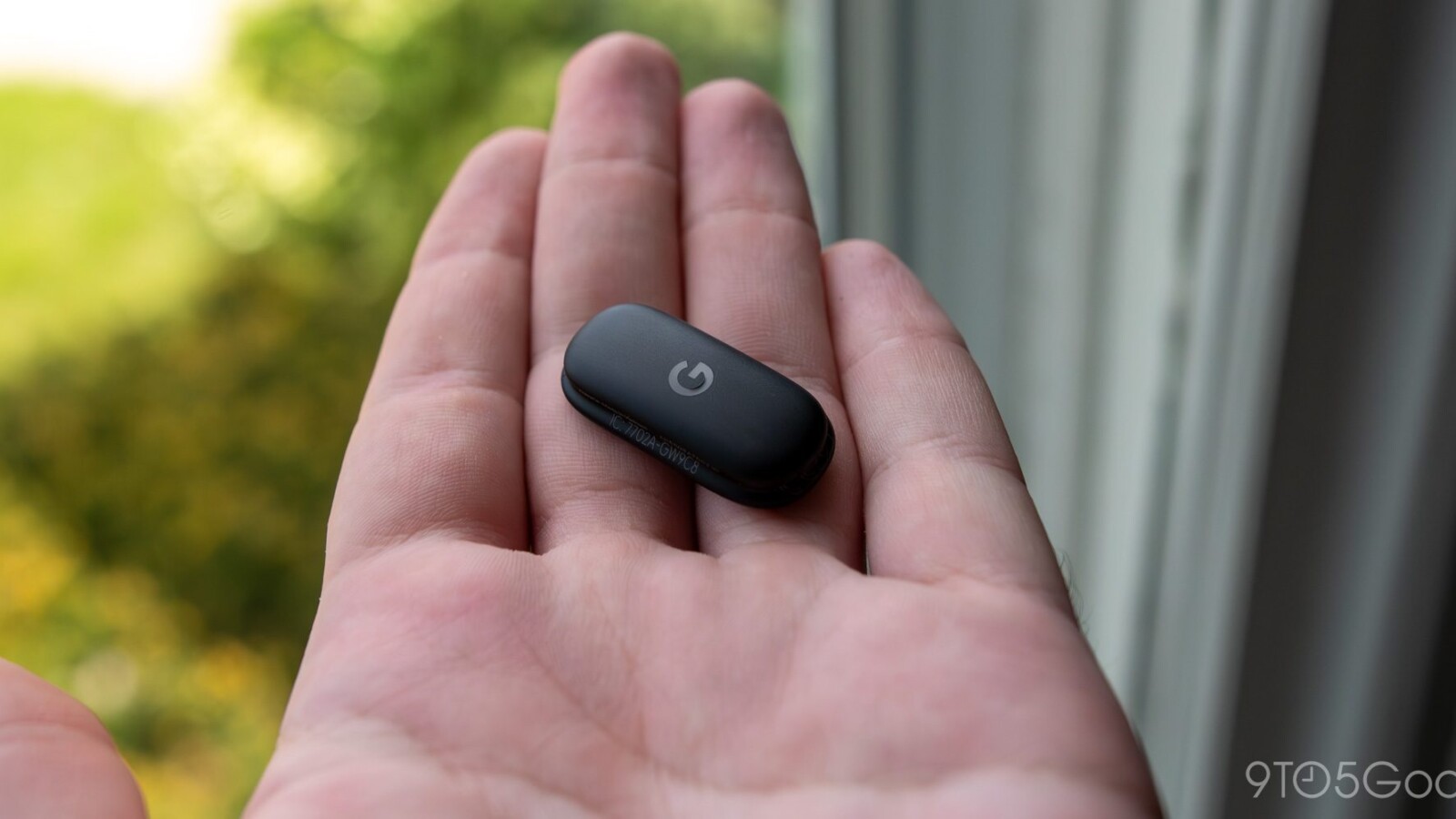
The Fitbit Air is turning out to be one of Google’s most flexible health trackers, and it’s not because of any new feature. Instead, buyers are discovering creative ways to wear it, including a growing trend of literally taping the device to their bodies. According to those trying it, the approach actually works well.
Google built the Fitbit Air to sit on the wrist, the standard location for most fitness trackers, and that’s where the majority of owners likely keep it. Early adopters found that the included band could hold both the Air and a traditional watch on the same wrist, and dedicated accessories have since arrived to handle that setup more cleanly. But wrist placement is no longer the only option people are exploring.
Taping the Fitbit Air to the Upper Arm
A recent Reddit thread highlighted a Fitbit Air owner who began using kinesiology tape, also called athletic tape and typically used to support sore or strained muscles, to fix the tracker to their upper arm. The placement stays out of sight and, according to the user, delivers “more accurate data.”
That claim lines up with how bicep tracking works. Moving a sensor away from the wrist can cut down on motion interference and provide slightly more reliable readings. It’s a known approach in the fitness space: Whoop sells an official bicep band for its tracker, and numerous bicep bands for the Fitbit Air are already available online.
An Emerging Trend Among Owners
The taping method isn’t brand new. Several additional threads show users who have been attaching the tracker to their upper arm for a while, and the feedback suggests it holds up well in practice. The upper arm isn’t the only alternative spot, either. Some owners report tucking the Fitbit Air into a sock or placing it elsewhere on the body to keep tracking without wearing it on the wrist.
The versatility stems largely from the device’s simple, band-free design, which makes it easy to reposition depending on the wearer’s preference for comfort or data accuracy. For anyone weighing an upgrade, third-party bicep bands remain an option for those who want a more permanent solution than tape.
Google has continued to expand the lineup, recently announcing a Fitbit Air Special Edition tied to Pokémon Sleep. For now, kinesiology tape remains one of the low-cost workarounds owners are using to move the tracker off the wrist and onto the upper arm.
Source
Image: 9to5google.com