

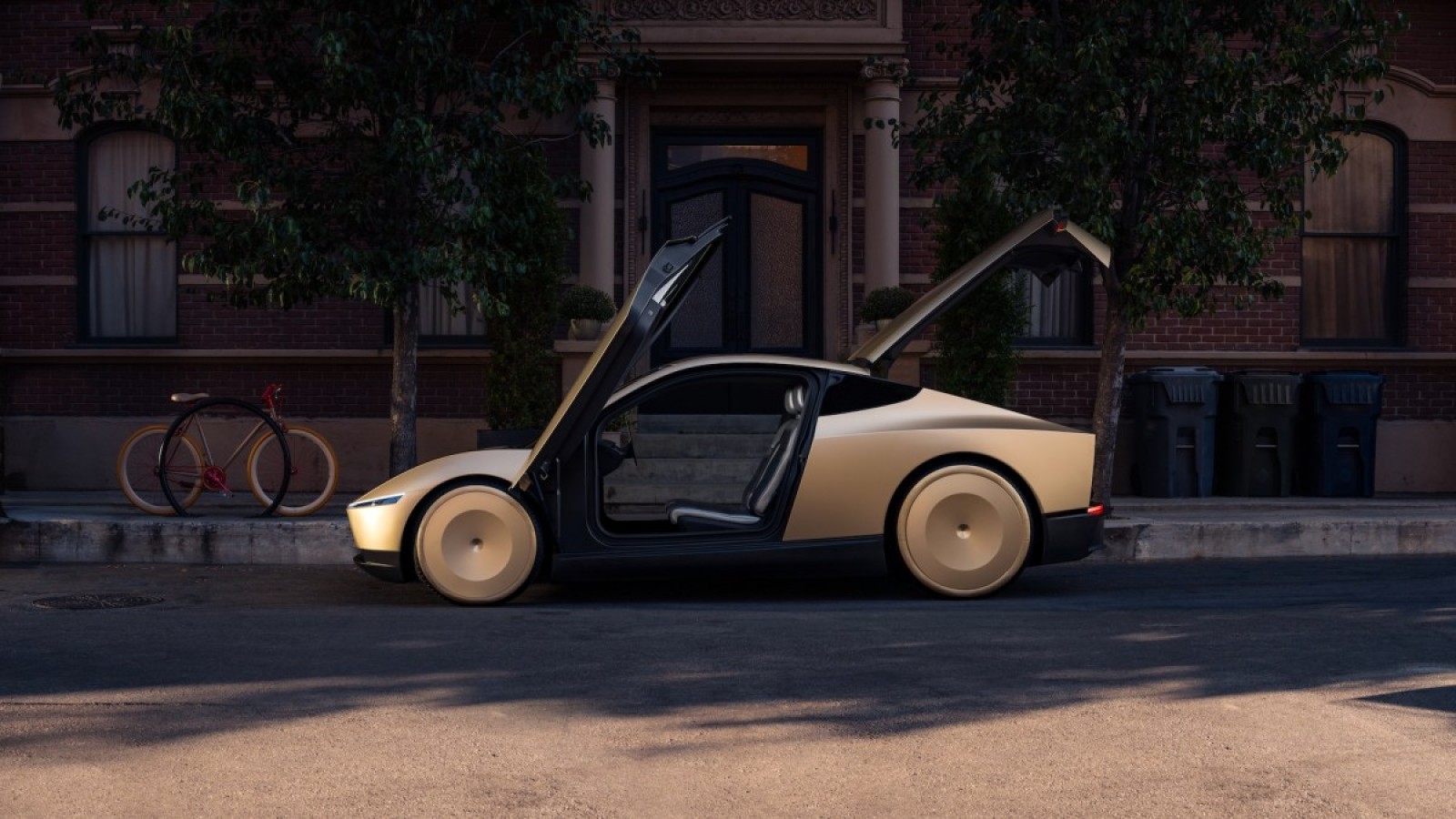
Tesla is opening the door to outside partners for its robotaxi network, publishing a form on Thursday aimed at businesses interested in purchasing Cybercab fleets or supplying infrastructure. The move signals that the automaker’s ambitions for its gold-colored autonomous vehicle reach well beyond operating a robotaxi service on its own.
Released ahead of Tesla’s Cybercab event in Austin, the interest form is not confirmation that the company will sell its self-driving vehicles to third-party operators. Still, it points clearly toward the direction of Tesla’s longer-term strategy. The company wants to scale quickly, and it appears unwilling to do so alone.
From Owner-Operated Vehicles to a Company Fleet
CEO Elon Musk has discussed building a large fleet of low-cost robotaxis for years. Early on, that vision centered on personally owned Tesla vehicles. As far back as 2016, Musk described a future in which Tesla owners running self-driving software could earn money by renting out their cars. He maintained that concept for years, explaining at the company’s 2019 Autonomy Day that owners would be able to add their autonomous vehicles to a ride-sharing app, comparable to how Uber operates.
In 2020, Musk said he felt confident predicting autonomous robotaxis from Tesla would arrive the following year, though not in every jurisdiction because regulatory approval would not be available everywhere. That owner-operated vision never came to fruition. Instead, the company shifted to testing and now operating its own robotaxi fleet, starting with Tesla Model Y vehicles and moving to the purpose-built Cybercab.
Widening the Circle to Third-Party Operators
Until now, Tesla appeared committed to keeping its robotaxi business in-house. The new form, which states that it “helps us build our robotaxi network,” suggests the company sees value in expanding participation to outside companies. The specifics remain undefined. Tesla asks interested parties to select from several options, including Cybercab fleet purchasing, mobility hubs and infrastructure, event collaboration, and “other.”
A growing number of companies are entering the robotaxi fleet management business. Moove, an African fintech startup that initially focused on vehicle financing for ride-hailing drivers, is scaling up an autonomous fleet management operation. The startup raised EUR 215 million last month at a EUR 2 billion valuation and serves as the fleet operator for Waymo in Phoenix, Miami, and Las Vegas, with London planned for the future. Moove does not own the Waymo vehicles, but its CEO has said it intends to.
Other autonomous fleet management companies, several of which Uber has partnered with as it pursues a share of the robotaxi market, include Avomo and New Horizon, along with established rental car firms such as Avis and Hertz.
By welcoming fleet operators, Tesla could encourage more small players to enter the space, helping the company saturate markets more quickly. The interest form was released ahead of the company’s Cybercab event in Austin.
Source
Image: techcrunch.com