

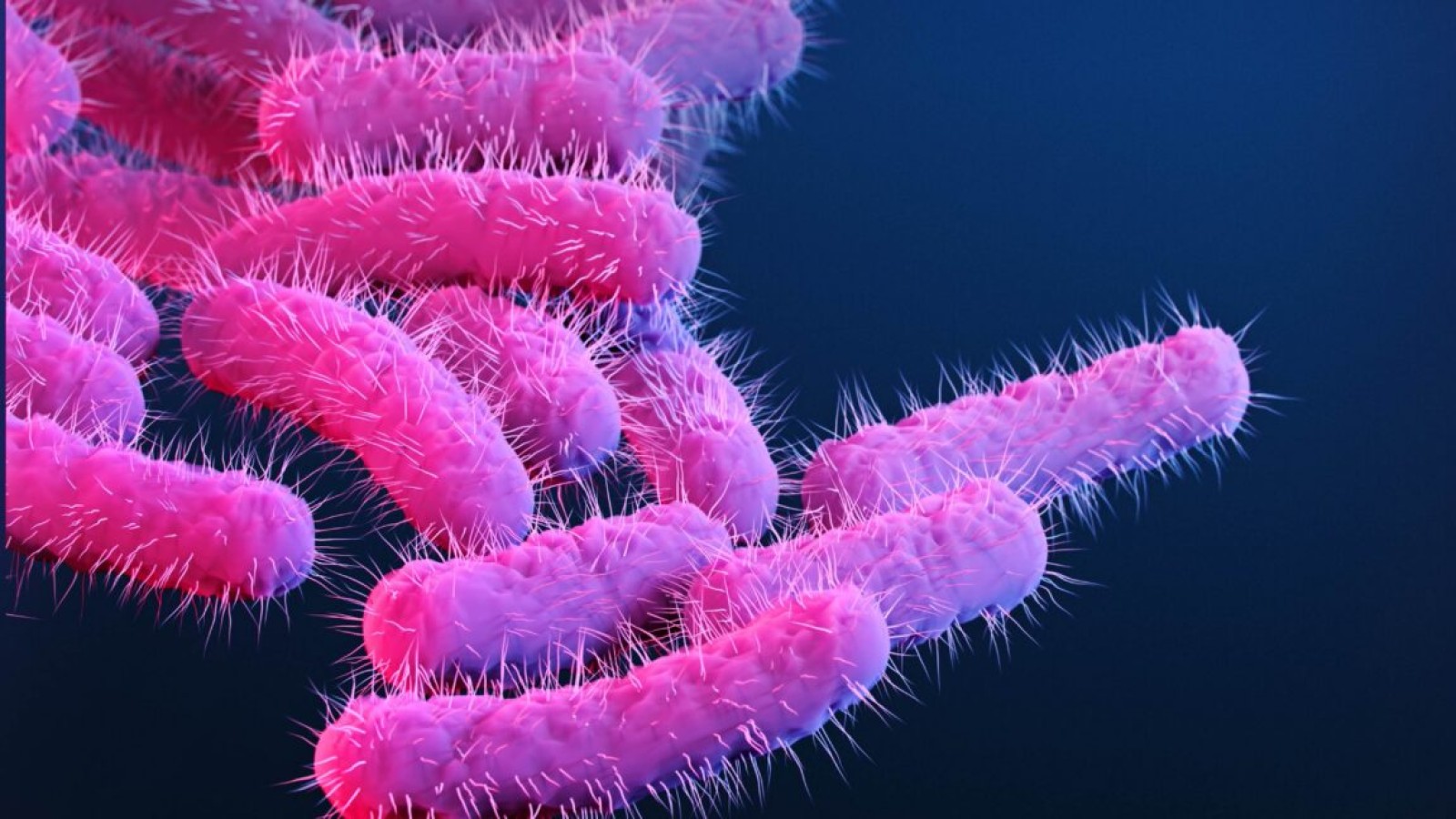
A prolonged outbreak of diarrheal illness in more than 150 research primates has delivered a valuable trove of immunological data that could accelerate development of a Shigella vaccine. The infections, which spread through a research facility for over two years, gave scientists an uncommon window into how the immune system fights the bacteria responsible for the disease.
In a study published in Science Translational Medicine, researchers analyzed the data generated by the infections and identified new approaches to training immune cells against Shigella. The team isolated specific portions of the bacteria that the immune system targets most effectively, connecting particular target molecules to distinct immune responses. They also pinpointed the exact sites on those molecules where the most potent antibodies bind.
According to the authors, the work revealed unexpected features of the anti-Shigella antibody response in naturally infected primates and represents a step toward the rational design of vaccine candidates.
Why a Broad Shigella Vaccine Is Needed
Shigella causes a serious gastrointestinal illness that affects more than 200 million people worldwide each year and kills over 200,000, most of them children. Survivors typically develop some protective immunity, but because Shigella includes numerous species and serotypes, that protection tends to cover only a narrow range of the bacterial family. Compounding the problem, Shigella strains are increasingly resistant to antibiotics.
Those factors underscore the demand for a vaccine capable of protecting against the full range of Shigella variants. Multiple development efforts are already underway, but scientists have lacked the detailed molecular and structural data required to design a sophisticated vaccine. The outbreak provided exactly that kind of information.
How the Outbreak Produced the Data
The outbreak began in December 2022 at the Wisconsin National Primate Research Center in Madison. Non-human primates, like humans, are natural hosts for Shigella, and periodic outbreaks at such facilities are not unusual. What stood out here was the scale and duration. Even some staff members at the facility became ill.
In total, there were 169 microbiologically confirmed cases of shigellosis among the primates. Researchers collected 151 Shigella isolates for serotyping and performed whole genome sequencing on 95 representative isolates. The outbreak was traced to two related clusters of Shigella flexneri, a species commonly found in captive primates. Human outbreaks are more often driven by Shigella sonnei, though both species can infect either type of host.
Of the 90 isolates tested for antimicrobial resistance, 63 percent were multidrug resistant. Most cases produced only mild diarrheal symptoms, but there were also asymptomatic infections and some severe cases. Infants were the hardest hit, mirroring patterns seen in humans.
To capture the immune response, researchers drew serum, plasma, and specific types of immune cells from 41 infected animals over the course of their infections, collecting samples at one week, two weeks, and between four and six weeks after infection.
Source
Image: arstechnica.com