
iPhone water resistance became a headline feature when Apple launched its first splash-proof handset in 2016, and one hands-on pool test showed both what the technology can handle and where its limits lie.
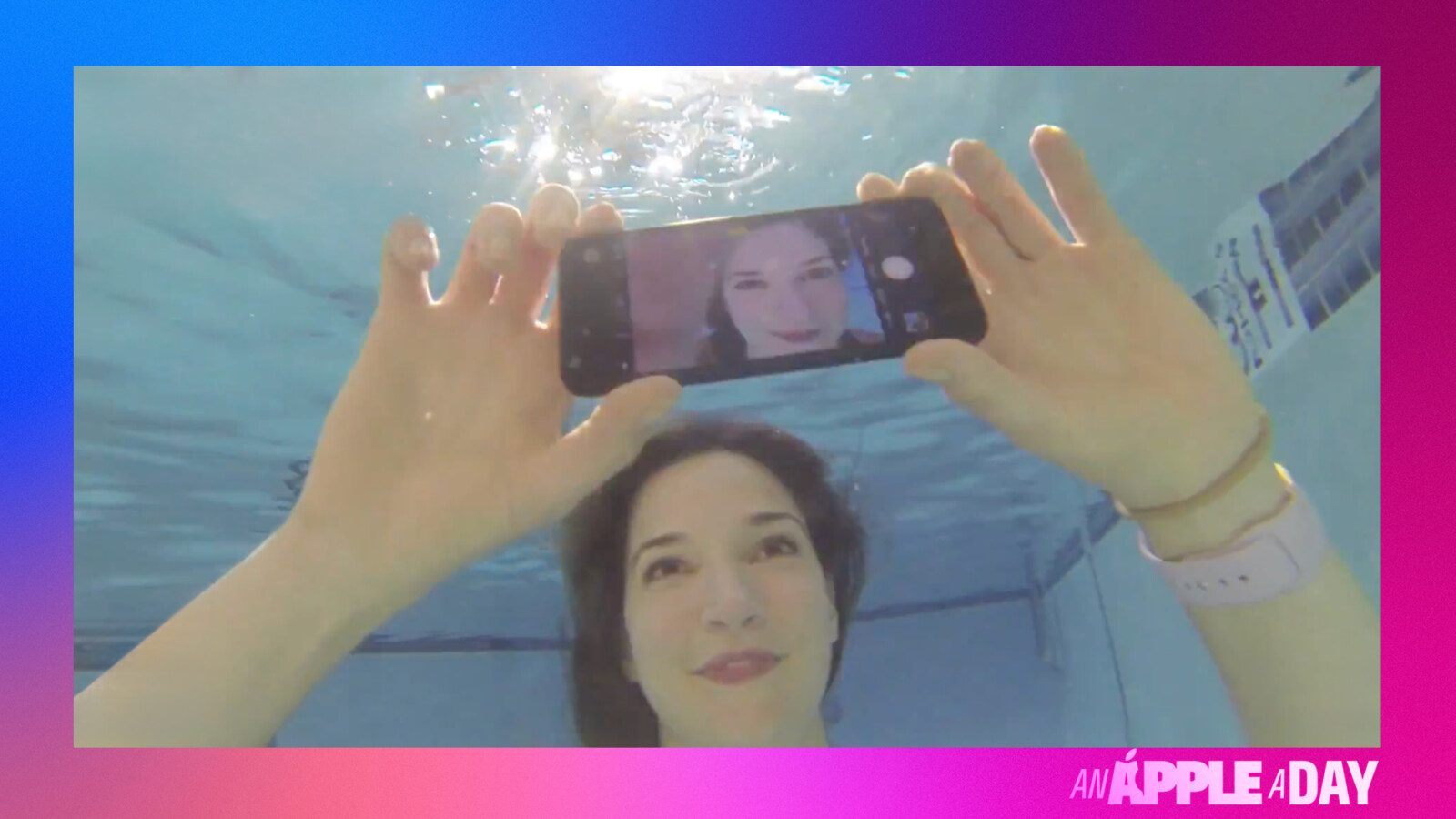
Before the iPhone 7, even a small splash of water could render an Apple phone unusable. That changed with an IP67 rating, which certifies that the device can withstand submersion in up to 1 meter (about 3 feet) of water for 30 minutes. To put the claim to the test, a reviewer took the iPhone 7 into a San Francisco apartment pool alongside a colleague and filmed the entire experiment.
How the iPhone 7 Held Up
The test pushed the phone beyond its official limits and did not follow every care instruction Apple recommends. The result: the iPhone 7 largely survived the ordeal, though it came away with a couple of cosmetic marks. Surviving a dunk, however, is not the same as escaping damage entirely.
The Hidden Risk of Pool and Saltwater
A key lesson from the experiment is that a phone working after submersion does not guarantee it is undamaged. Chlorinated pool water and ocean saltwater can slowly corrode the internal materials of a device, even after it has dried out. That corrosion typically will not disable a phone immediately, but it can shorten its overall lifespan.
There is also an important warranty consideration. Water damage, whether accidental or intentional, voids Apple’s warranty. For that reason, an IP67 rating is best understood as protection against accidental exposure rather than an invitation to swim with your phone.
What the Rating Really Means
The IP67 designation covers a specific set of conditions: fresh water, a defined depth, and a limited amount of time. Real-world scenarios, such as repeated pool swims or saltwater exposure, fall outside those controlled parameters. Ten years after the iPhone 7 introduced water resistance to Apple’s lineup, the takeaway remains the same: the feature offers peace of mind for spills and rain, but caution around water still extends a device’s life.