

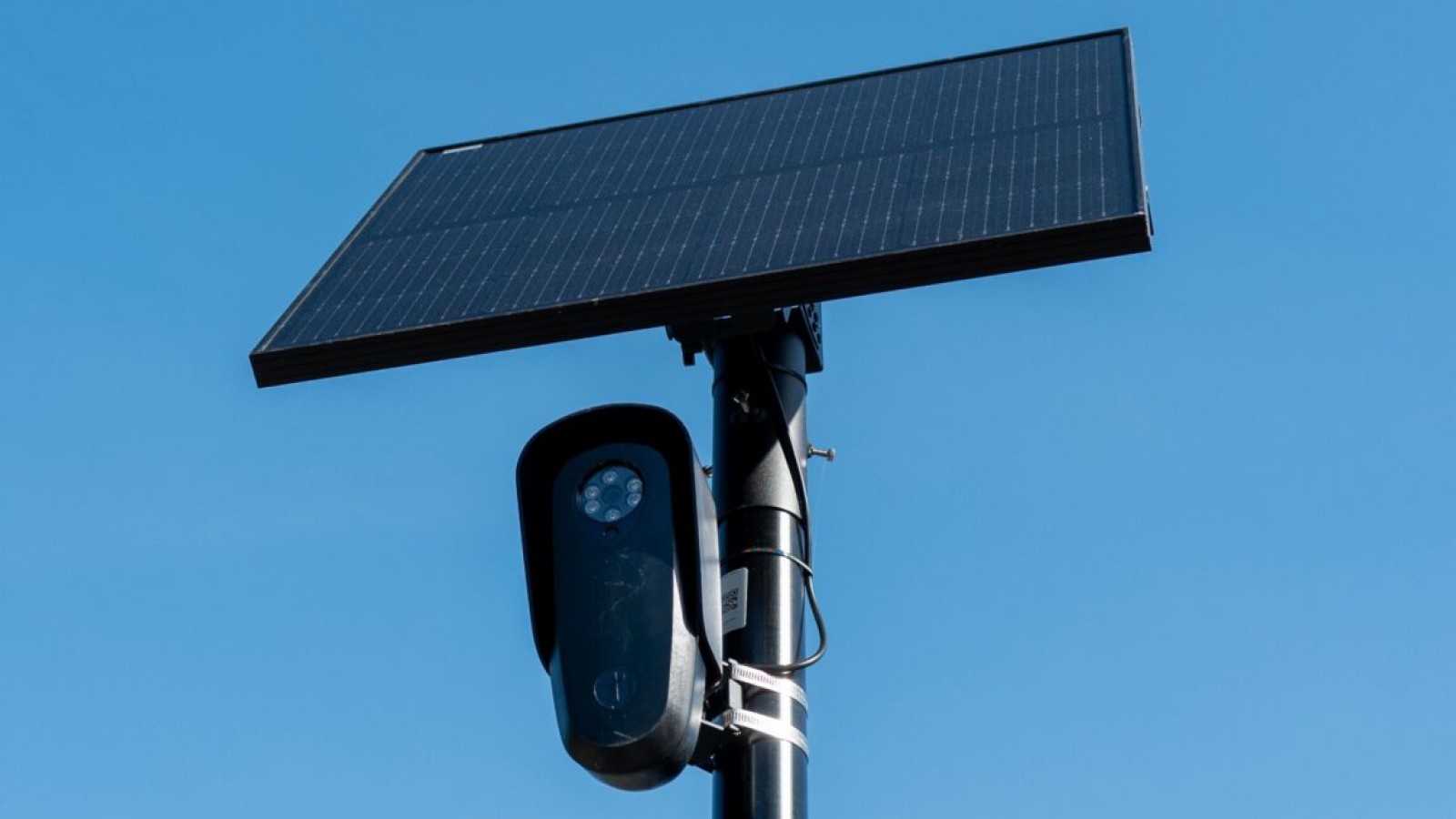
Flock Safety contract cancellations reached a record high in August 2026, as a growing number of U.S. cities and counties ended their use of the company’s automated license plate reader cameras. New data compiled by an anti-surveillance advocacy group shows the pace of departures is accelerating, driven by concerns over expanding surveillance, data sharing, cost, and reported misuse by police.
Localities ranging from Lansing, Michigan, to Pflugerville, Texas, have severed ties with the surveillance technology provider. Oakland-based Secure Justice has documented 214 cities and counties that have dropped Flock since 2021. Of those, 90 ended their agreements in August 2026 alone, a fourfold jump from the previous month. That works out to an average of three localities per day walking away from Flock contracts over the past 30 days.
Momentum Building Fast
Brian Hofer, executive director of Secure Justice, described the trend as having “gone parabolic.” Hofer, who chaired the Oakland Privacy Advisory Commission for a decade until 2025, noted that 165 of the cancellations have occurred in the first eight months of this year. “At that speed, if it goes another year, we’re talking serious money,” he said. “That number is going to get huge, fast.”
Flock Safety pushed back on the significance of the figures. Company spokesperson Courtney Terlecki said that new city partnerships in 2026 have outpaced nonrenewals by roughly 10 to one. “That does not mean every community will make the same decision, and we understand that public safety technology deserves thoughtful public discussion and community engagement,” she wrote. Terlecki declined to specify how many new customers the company added this year, though Flock has repeatedly said its products are “trusted by over 5,000 communities.”
Policy Changes and Political Scrutiny
Facing sustained criticism, Flock CEO Garrett Langley recently announced in a blog post that the company would cut its default data retention period from 30 days to seven, alongside other privacy-focused adjustments. Flock’s top lawyer followed with another post stating that revised terms of use “expressly prohibit customers and their users from using Flock Services to mislead, harass, stalk, or otherwise impose upon or violate the legal rights of another person.”
Those measures have not eased the political pressure. This week, Sen. Josh Hawley (R-Mo.) announced an investigation into “Flock Safety’s collection, retention, and dissemination of the data generated by its artificial intelligence surveillance cameras.”
The scrutiny extended to Florida, where two police officers were arrested for misusing Flock. Republican Gov. Ron DeSantis said in a speech that the cameras were “out of control” in his state. “When I see, like, a police officer using this to track, like, an ex-girlfriend, I’m like, you know what the hell’s going on?” DeSantis said.
Even advocates who have tracked the spread of automated license plate reader technology, which predates Flock, have expressed surprise at the shift. The concern centers on how artificial intelligence has transformed passive camera networks into active monitoring systems. Secure Justice recorded 90 cancellations in August 2026, the highest monthly total since it began tracking the data in 2021.
Source
Image: arstechnica.com