
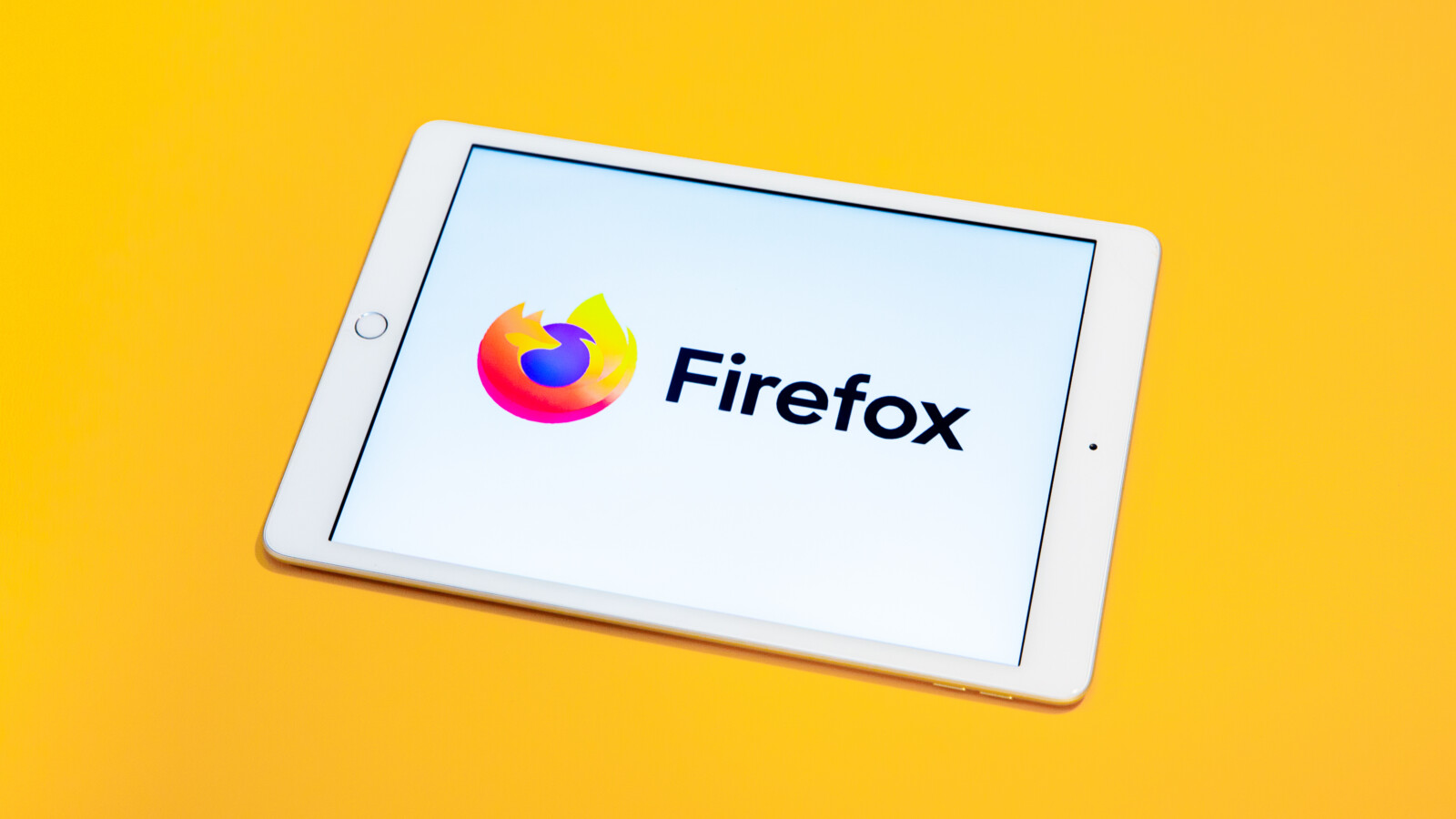
Firefox is rolling out a built-in ad blocker for iOS, giving iPhone, iPad and other Apple device owners a new way to cut down on clutter while browsing. The feature, called Ad Blocker, is designed to stop many third-party ads and ad-related trackers from loading when you use the browser.
The tool does not run automatically. Ad Blocker is turned off by default, and you can switch it on by going to Settings, then Browsing, then Ad Blocker. If ads slip through or the feature behaves unexpectedly, Mozilla directs users to its Mozilla Connect page to file a report.
How the Firefox Ad Blocker Works
According to Mozilla, the ad blocker relies on Apple’s WebKit Content Blocker technology combined with EasyList, a widely used filter list that browsers and ad-blocking extensions reference to decide which ads to stop. The goal is to catch pop-ups and overlays before they load, reducing the amount of screen space taken up by advertising on a given page.
Mozilla framed the addition as a balance between user experience and the economics of the web. The company noted that advertising helps fund much of the open web, supporting publishers, creators and websites people depend on, while acknowledging that ads can crowd the screen or interrupt what users are trying to do.
What It Won’t Block
The feature has clear limits. Even with Ad Blocker enabled, some ads will still appear. Searching for a product on Google, for example, will likely surface merchant ads within the results page. Ad Blocker also does not remove sponsored shortcuts and other sponsored content that Firefox itself displays when you open a new tab.
Firefox already includes another privacy layer called Enhanced Tracking Protection, which blocks many trackers and limits tracking across the web. Ad trackers include tools such as cookies and tracking pixels that companies use to learn a user’s online preferences and target them with products.
How Firefox Compares
Firefox, owned by Mozilla, launched in 2004 and remains less popular than Google Chrome, Apple Safari and Microsoft Edge. Its supporters point to privacy protections and customization options as key reasons they stick with it.
Other browsers also offer ad blocking, including Brave, Opera, Vivaldi, Avast and DuckDuckGo. Chrome and Edge users can add ad-blocking through extensions such as uBlock Origin or AdGuard, available from their respective stores. Firefox’s built-in option puts the same kind of filtering directly into the browser on iOS, using Apple’s own content-blocking framework and the EasyList filter set.