

Farmed salmon may deliver fewer heart-healthy nutrients than it did in years past, according to new research led by scientists at the US Department of Agriculture. The study found that levels of Omega-3 fatty acids in farmed salmon have declined considerably, raising questions about whether federal dietary advice still reflects reality.
For years, health authorities have urged Americans to eat more fatty fish. The USDA’s Dietary Guidelines for Americans recommend consuming at least 8 ounces of fish weekly, encouraging people to choose salmon and other species rich in Omega-3s. The American Heart Association offers similar guidance. But if the nutritional content of farmed salmon has fallen, those recommendations could now be outdated and insufficient.
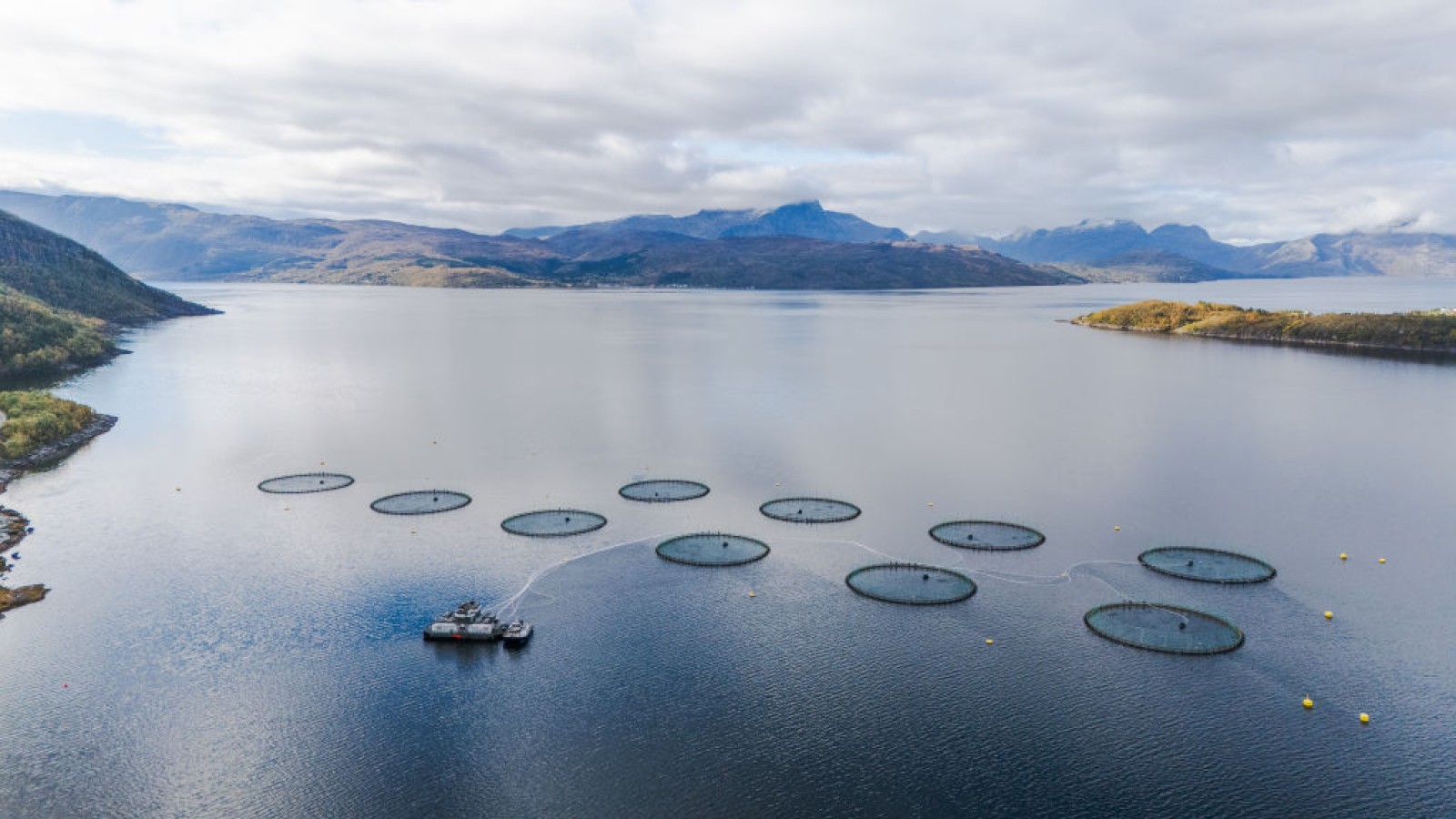
That advice has reshaped global eating habits, driving consumer demand and production to record highs. Roughly 70 percent of the salmon eaten worldwide is now raised in pens and cages rather than caught in the wild.
Why Salmon’s Nutritional Value Has Changed
The decline traces back to a significant shift in what farmed salmon eat. Naturally carnivorous, these fish were historically fed smaller fish species. As those populations were over-exploited, the industry moved toward feed that blends land-based oils and crops, including soy and canola. The new study attributes the drop in Omega-3s to that dietary change. A 2016 study reported comparable declines, also linked to the shift toward crop-heavy feed.
The report’s authors caution that their sample was not large enough to justify changing government advice, adding that “a broader and more representative study is warranted.” The USDA declined interview requests and did not respond to questions submitted by email.
Laura Lee Cascada, director of the Aquaculture Accountability Project, a watchdog group, said the older nutritional figures remain embedded in national dietary guidance. “So in the meantime, it’s going to stay the same and people will have this wrong idea of how much Omegas they’re getting,” she said.
Aquaculture’s Rapid Growth and Environmental Cost
Salmon has been central to the rapid expansion of global aquaculture, now the fastest-growing food production system in the world. The fish has become a staple for health-conscious consumers and for those cutting back on land-farmed protein such as beef, for both health and environmental reasons. Between 2000 and 2020, farmed salmon production tripled, outpacing every other type of finned fish.
Researchers and advocates have long flagged the environmental toll of salmon farming. Fish waste and feed pollute surrounding waters, threatening wild salmon populations. Sustaining ever-larger populations of penned fish has degraded smaller fish species along with the coastal fishing communities and wildlife, including seabirds, that depend on them.
As the oceans become increasingly depleted of small fish, producers have leaned further into feed built around terrestrially grown crops, including soy and soy oils. That transition has reduced the concentration of the very nutrients that fueled the global salmon boom in the first place, with consequences reaching across both marine and land-based environments.
Source
Image: arstechnica.com