

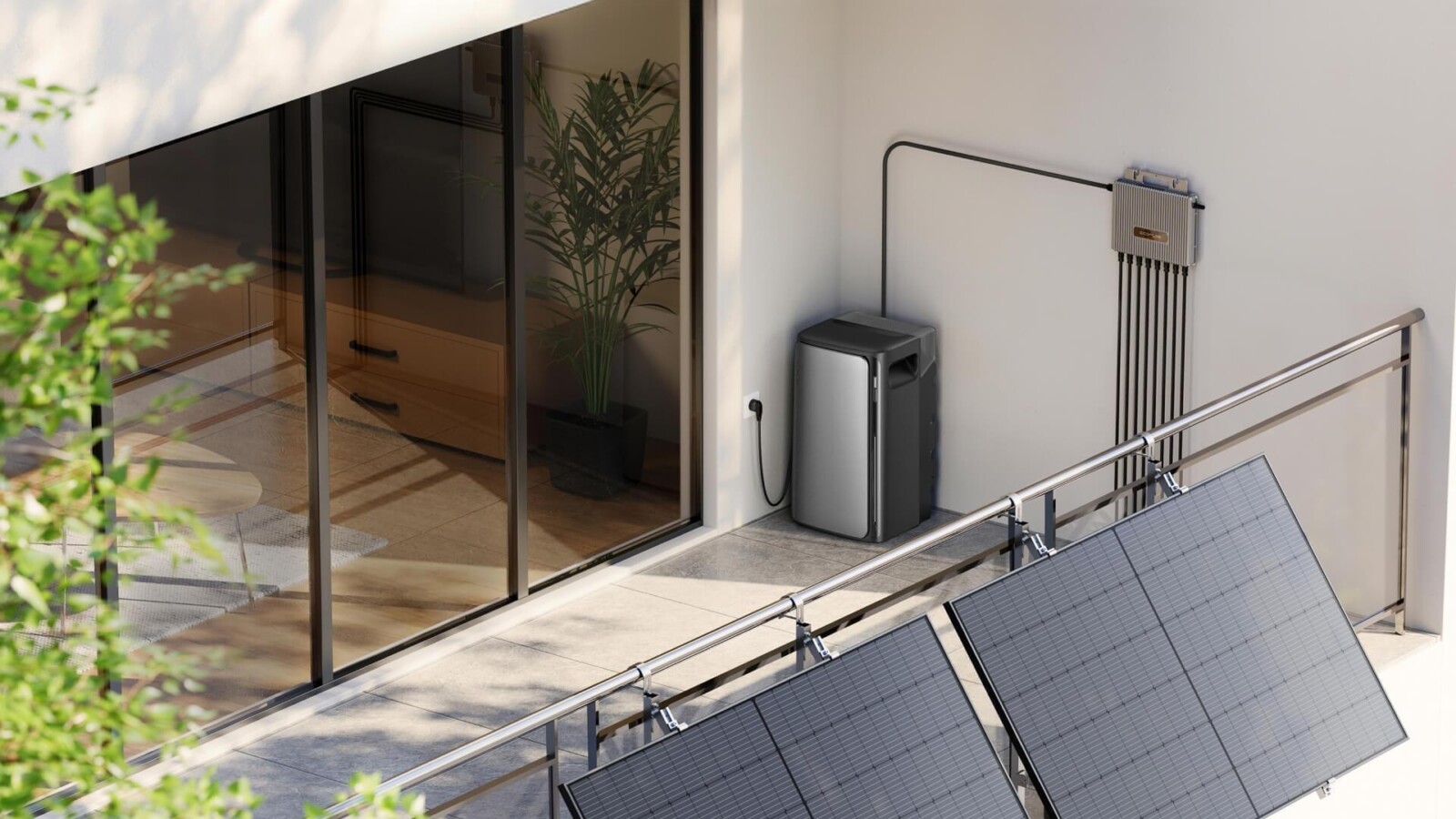
DIY plug-in solar is emerging as a practical way for US households to trim their electricity bills without hiring an installer or overhauling their electrical panel. These systems allow a user to connect a solar array directly to a standard wall outlet, feeding power back into the home in a process that is far simpler than traditional rooftop installations.
The concept centers on plugging a cable carrying solar-generated electricity into a common household outlet. In one firsthand test, a kit delivered 800W of solar power straight into a standard wall jack. The connection produced no sparks and no smoke, and after a single sunny summer day, the household electricity bill had fallen to nearly $0.
How Plug-In Solar Works
Unlike conventional solar setups that require professional wiring and dedicated hardware, a plug-in kit treats a regular power outlet as an input rather than an output. The array converts sunlight into usable electricity, which then flows into the home circuit through the outlet. This approach lowers the barrier to entry for homeowners and renters who want to generate their own power but cannot commit to permanent, panel-mounted systems.
Some kits go further by integrating storage. EcoFlow, for example, offers a high-end, weatherproof plug-in solar kit with a built-in battery, allowing energy captured during the day to be used later. That combination of portability, weather resistance, and onboard storage broadens where and how these systems can be deployed.
Why the Trend Is Growing in the US
The appeal of plug-in solar lies in its accessibility. There is no need for a contractor, permits tied to major electrical work, or complex mounting on a roof. For many users, the process is as direct as unpacking the hardware, positioning the panels in sunlight, and connecting the cable to an existing outlet.
The immediate impact on utility costs is a central draw. Cutting a daily electricity bill to almost nothing after just one day of sunlight illustrates the potential savings that these systems can offer under favorable conditions. As more manufacturers release ready-to-use kits, the category is drawing increasing interest among American consumers looking for a low-effort entry point into home solar.
Products in this space range from basic panel-and-cable bundles to more advanced offerings with integrated batteries and weatherproof construction. EcoFlow’s kit sits at the premium end of that spectrum, pairing solar generation with storage in a single package designed to withstand outdoor conditions.
Source
Image: theverge.com