

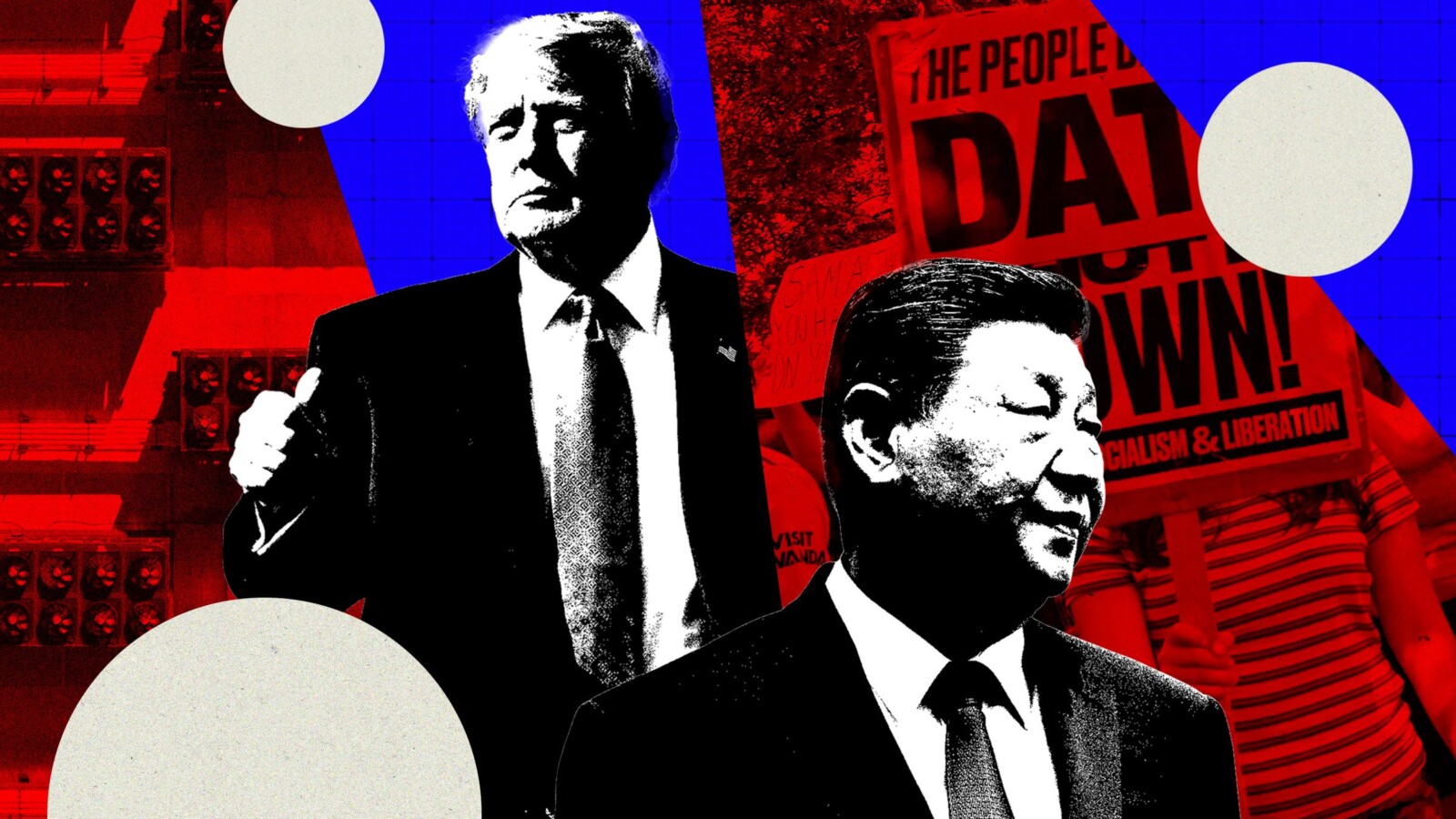
Data center opposition in the United States is surging, and some tech leaders and politicians are pinning the blame on China rather than on domestic concerns. Recent polling shows as many as 75 percent of Americans now say they would oppose a data center being built in their area, a sharp jump from 42 percent the previous year.
The shift is reshaping the politics of the technology. Officials from both parties who once championed the infrastructure, including Texas governor Greg Abbott and Pennsylvania governor Josh Shapiro, have adjusted their messaging as midterm elections approach, signaling a tougher stance to voters. The change comes even as President Donald Trump continues to voice strong support for data center construction.
The China Narrative Takes Shape
In late August, X announced it had identified 200 accounts linked to China that were helping spread anti-data center talking points on the platform. The report generated alarmist headlines and was amplified by data center-friendly politicians and right-wing figures. Trump joined in as well, writing in a Truth Social post that China “could not be happier with this anti Data Center movement.”
The argument that a foreign influence operation, rather than environmental worries or broader resistance to AI, is driving public frustration has circulated for months. In the spring, reports from right-wing policy shops were used by lawmakers and pundits to blame the Chinese Communist Party for seeding anti-data center narratives. In June, OpenAI banned a cluster of users the company said were linked to the Chinese government and “testing narratives against AI infrastructure.”
Thin Evidence Behind the Claims
Claims that Chinese influence explains American opposition rest on limited evidence. According to China experts, the most widely circulated report in Washington relies heavily on insinuation and assumption with little hard proof. In its own June report, OpenAI acknowledged that the accounts it identified were simply exploiting existing discontent around data centers rather than manufacturing it.
X’s recent purge may be connected to the accounts flagged by OpenAI. They use similar hashtags and images, and several link to the same obscure local news article. X ultimately identified 200,000 accounts in the same bot farm, meaning the 200 anti-data center accounts represented a small fraction of the larger network.
Public Concerns Remain Domestic
The foreign influence explanation offers a convenient counterpoint for the technology’s backers and their allies, but the underlying drivers of opposition appear rooted at home. Environmental concerns, frustration with a political system seen as favoring the wealthy, and general resistance to AI infrastructure continue to shape public sentiment.
Graphika, a social media analytics firm, has been tracking activity around data centers as the debate intensifies. The scale of the flagged accounts underscores how narrow the identified foreign activity was relative to the broader, largely domestic backlash against the projects.