
China’s humanoid robot Olympics returned to Beijing, drawing machines of every shape, size and specialty to test how far the technology has advanced and how much ground it still needs to cover. The event has become an annual showcase for the rapid progress in robotics, and this year the competitors delivered both breakthroughs and stumbles.
The gathering pits humanoid robots against one another across a range of athletic events, mirroring the structure of a traditional Olympic program. Some of the machines proved surprisingly capable, while others struggled to stay upright under the physical demands of competition.
Robots Break Human World Records
Several robots outperformed benchmarks set by elite human athletes. Competitors bested human world records in the standing high jump, the 400-meter sprint and even the 100-meter sprint, an event long associated with Usain Bolt. These results underscore how far actuation, balance and control systems have come in humanoid platforms designed for speed and explosive movement.
The performances highlight the engineering focus on power and agility, areas where robotics developers have invested heavily to close the gap between machines and top-tier human performance.
Falls and Setbacks on the Course
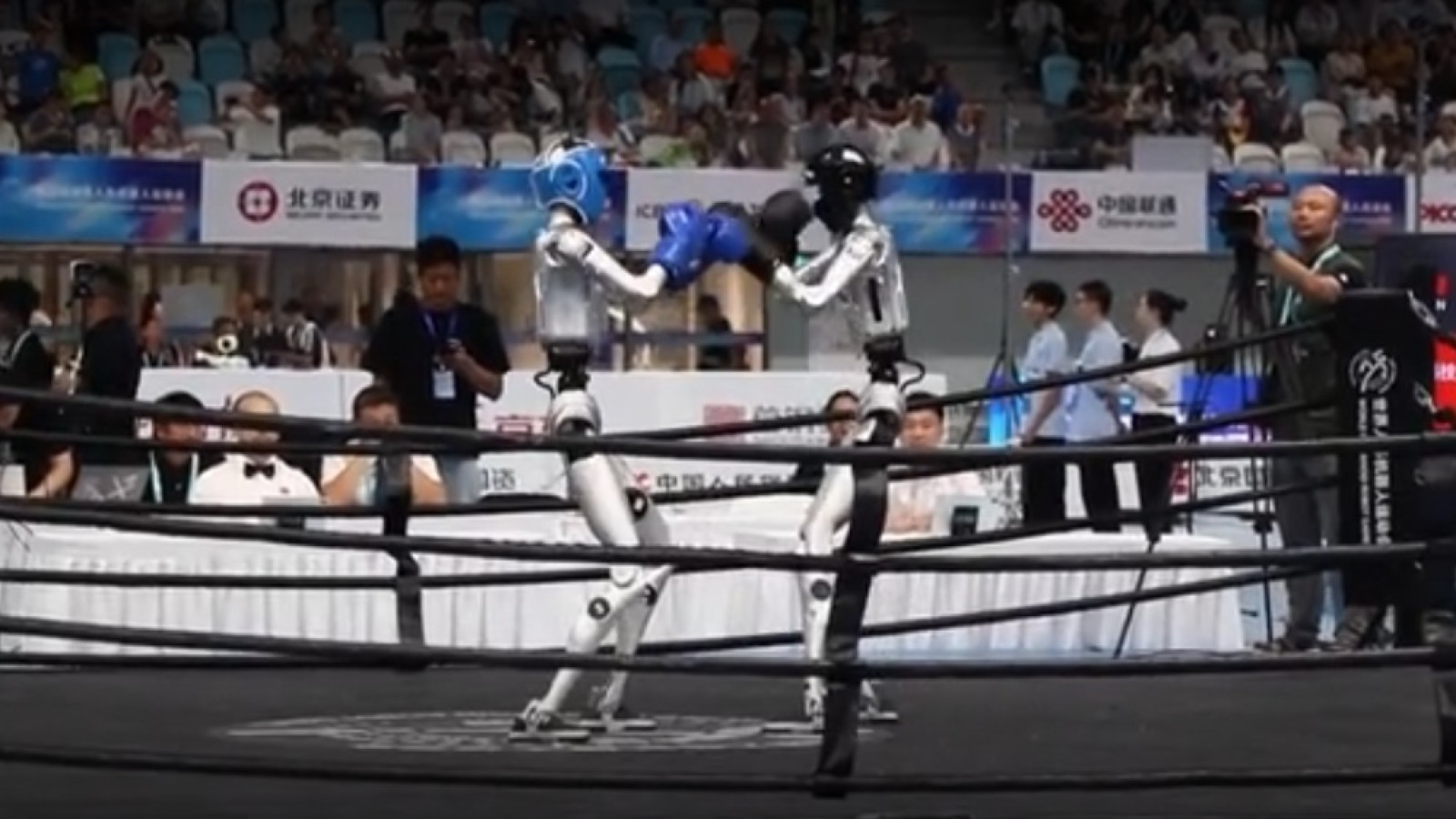
Not every moment went smoothly. The humanoids also took their share of punishment, with spectacular falls occurring on the track, during kickboxing matches and on the dance floor. Those tumbles served as a reminder that despite record-setting achievements in certain events, balance and stability remain persistent challenges for humanoid robotics.
The mix of triumphs and mishaps offered a clear picture of the current state of the field, where standout capabilities in one discipline can coexist with obvious limitations in another.
Why the Event Matters
The competition serves as a benchmark for the broader robotics industry, giving developers a public stage to demonstrate progress in mobility, coordination and durability. Events that span sprinting, jumping, combat sports and dance require robots to handle a wide variety of movements, exposing both strengths and weaknesses in current designs.
By staging these contests annually, organizers create a running record of how quickly humanoid machines are improving. Robots competed across athletic events including the standing high jump, the 400-meter sprint and the 100-meter sprint.