

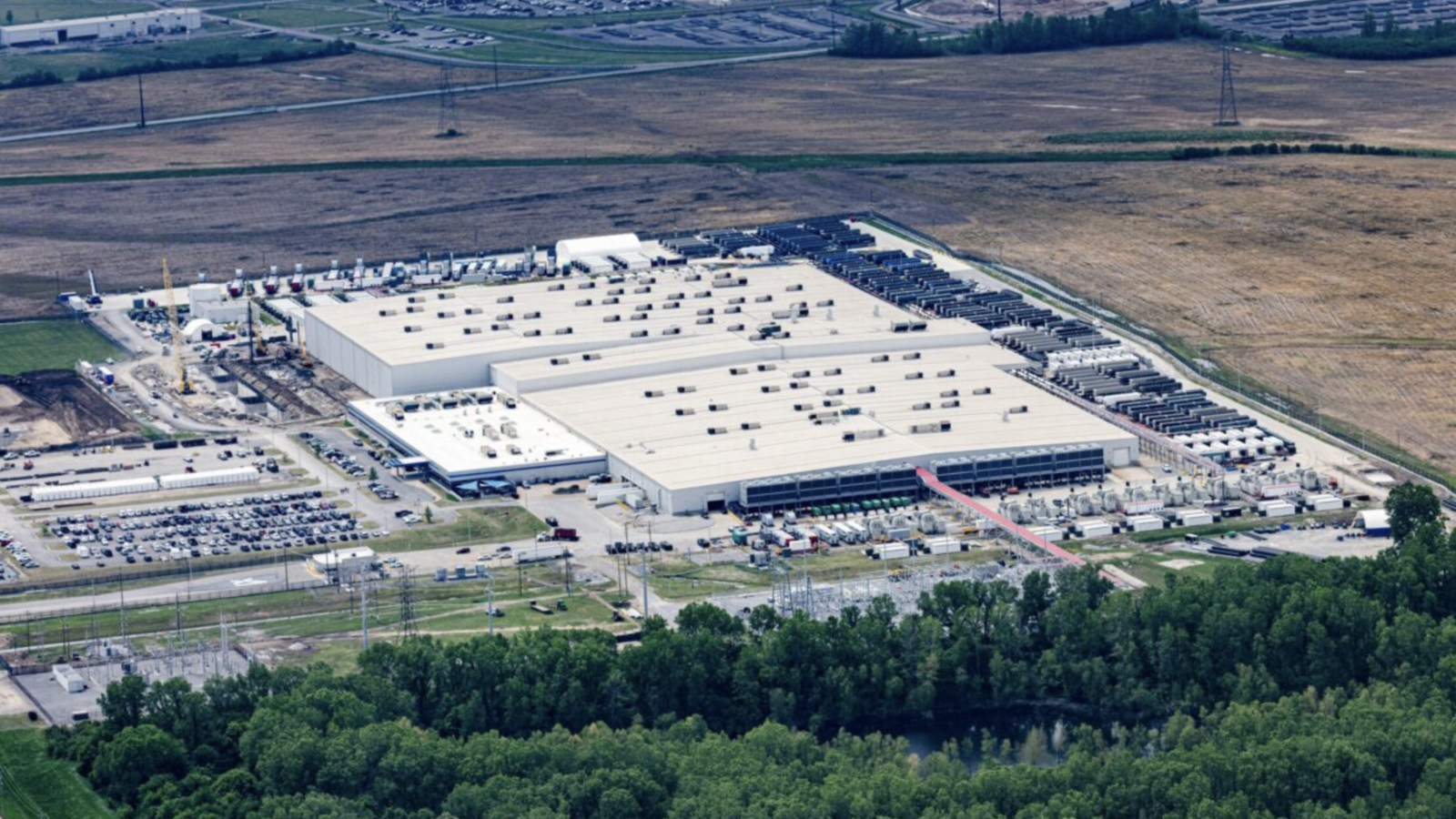
AI data centers have become one of the most divisive tech topics in the United States, and Big Tech is now spending millions to change how Americans feel about them. As opposition grows, a coordinated advertising push is underway to promote the construction of these massive AI server farms ahead of November’s midterm elections.
The effort comes as public sentiment has turned sharply negative. A newly published study from the Annenberg Public Policy Center found that roughly two-thirds of US adults, or 61%, oppose new data center builds near them. That resistance crosses party lines, shared by Democrats at 69%, Republicans at 54%, and independents at 53%.
Why Americans Are Pushing Back
Opposition to data centers goes beyond rising electricity and water bills, though those concerns are significant after five years of steadily high inflation. Residents also cite environmental and health risks, along with broader unease or outright hostility toward AI technology itself.
Grassroots organizing has amplified the resistance. A nationwide map of existing and proposed data center projects, launched by activist Erin Brockovich, has helped communities stay informed and coordinate. Several cities have already approved bans or moratoriums on new data center construction.
President Donald Trump has weighed in against the backlash. In a post on Truth Social, he warned that communities rejecting data centers would become “backwards and poor,” comparing opposition to killing the “Golden Goose” and blaming resistance for blocking economic growth.
Inside the Pro-AI Ad Campaign
A group called Build American AI, funded by the pro-AI political action committee Leading the Future, is rolling out a multimillion-dollar advertising campaign to shift public opinion. The initial rollout targets key election battleground states, beginning with Kansas, Ohio, and Wisconsin.
Leading the Future is a super-PAC network bankrolled and organized by a coalition of Silicon Valley investors, tech executives, and veteran political operatives who have aligned closely with the current administration.
Marketing experts say reversing the current mood will be difficult. Ari Lightman, professor of digital media and marketing at Carnegie Mellon University’s Heinz College of Information Systems and Public Policy, said society is deeply polarized on AI-related issues. Tech companies are “trying to create an argument that local communities are going to benefit from the data center,” he said, while those communities are “saying, no, we don’t believe you.”
According to Lightman, any campaign hoping to move opinion must make a strong case for local benefits while overcoming entrenched skepticism toward tech firms and AI.
The Build American AI campaign’s first ads are already targeting voters in Kansas, Ohio, and Wisconsin.