

Atorie, an AI-powered fashion brand that connects luxury manufacturers directly with consumers, has closed a EUR 8 million seed round. The company announced the funding on Thursday, with backing from a16z Speedrun, Night Capital, and Lightspeed Ventures’ Jeremy Liew.
The premise is straightforward: shoppers can visit the Atorie website and purchase handbags and clothing made from the same materials, and produced in the same factories, that supply high-end labels. Pricing sits well below traditional luxury. An Italian leather handbag on the platform runs a few hundred dollars, compared with the thousands that a brand like Prada or Louis Vuitton might charge for a comparable item.
Not dupes, and not fast fashion
The startup launches as dupe culture gains traction and the luxury sector faces consumer pushback over rapid price increases in the post-pandemic period. Younger shoppers in particular have gravitated toward cheaper, near-identical versions of high-end products, and buying them has become something of a status marker in its own right.
Co-founder Redouane Ramdani draws a distinction, however. The items sold on Atorie are mostly not dupes. “It’s the same material, same craftsmanship,” he said. “It’s coming from the same factories.” He also rejects the fast-fashion label. “It’s slow,” he clarified.
Ramdani previously built the creator platform Snipfeed, which was acquired in 2024. He grew up in France in a family tied to luxury manufacturing, and long expected to eventually work in the industry.
How shifts in luxury manufacturing opened the door
By the time he sold Snipfeed, the manufacturing landscape had changed considerably. The biggest shift Ramdani observed was that luxury factories were no longer just producing goods to order. Traditionally, a brand such as Ralph Lauren would supply its own designs and materials, and the factory would produce them. But brands had to commit to large minimum orders, which often led to overproduction. Many factories also relied on a small number of large brand clients, leaving them exposed when a brand pulled out or excess inventory failed to sell.
“What’s changing is that the best factories increasingly have their own design and product-development capabilities,” Ramdani said. “Instead of simply manufacturing someone else’s designs, they can develop products themselves, adapt them quickly, and produce in smaller batches.”
AI plays a role here as well, helping factories analyze data to identify which products are likely to sell before committing to large production runs. “That reduces overproduction and allows factories to diversify beyond a handful of large customers,” he said.
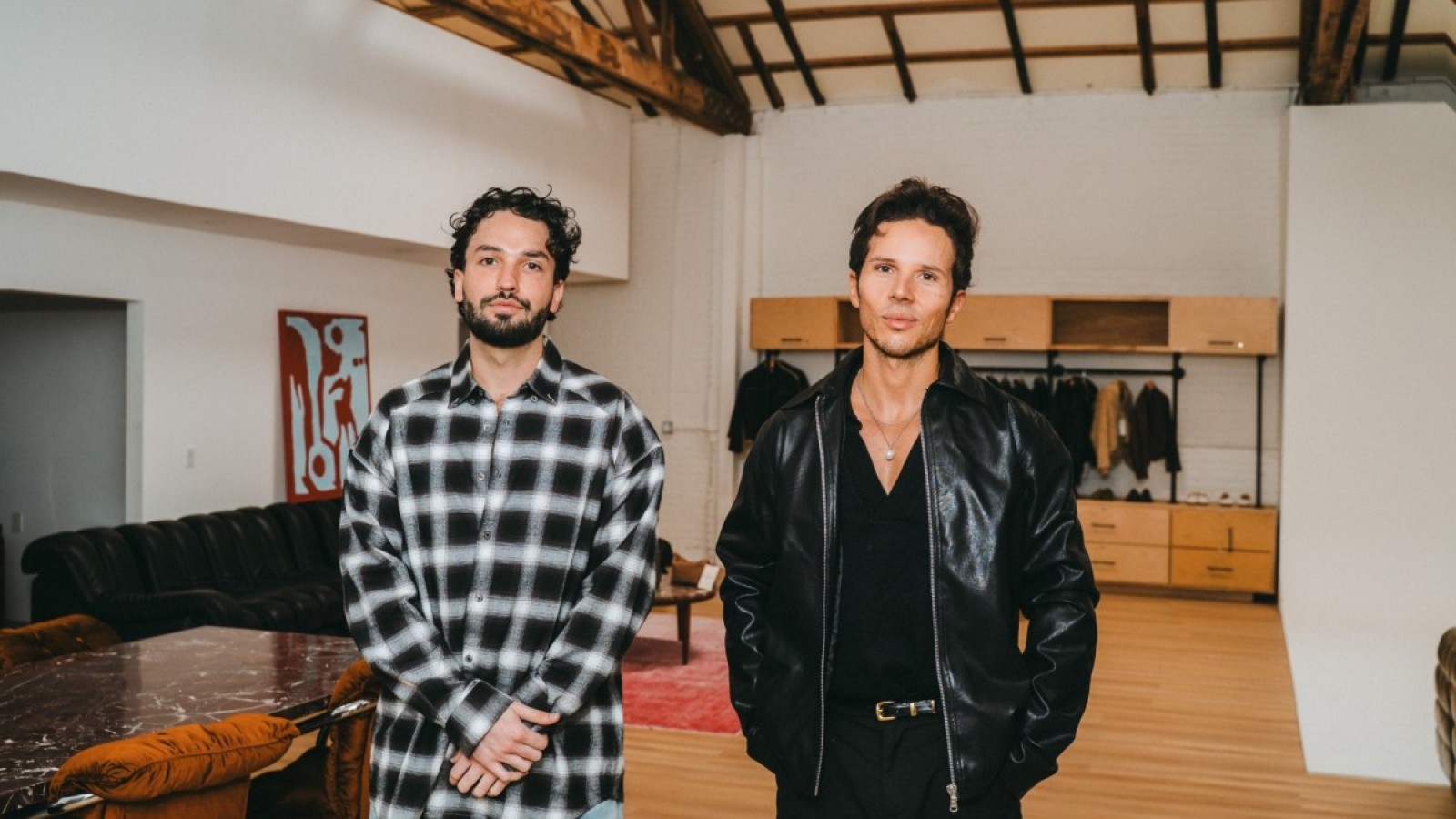
Those changes prompted Ramdani to team up with Luis Angulo to launch the company. He compared Atorie’s approach to that of retailer Quince, known for high-quality goods at low prices.
“We are talking to a different generation who is coming back for things that are trendy but well-made,” he said, noting that consumers are growing tired of pure fast fashion, in part because of its environmental impact.
Source
Image: techcrunch.com