

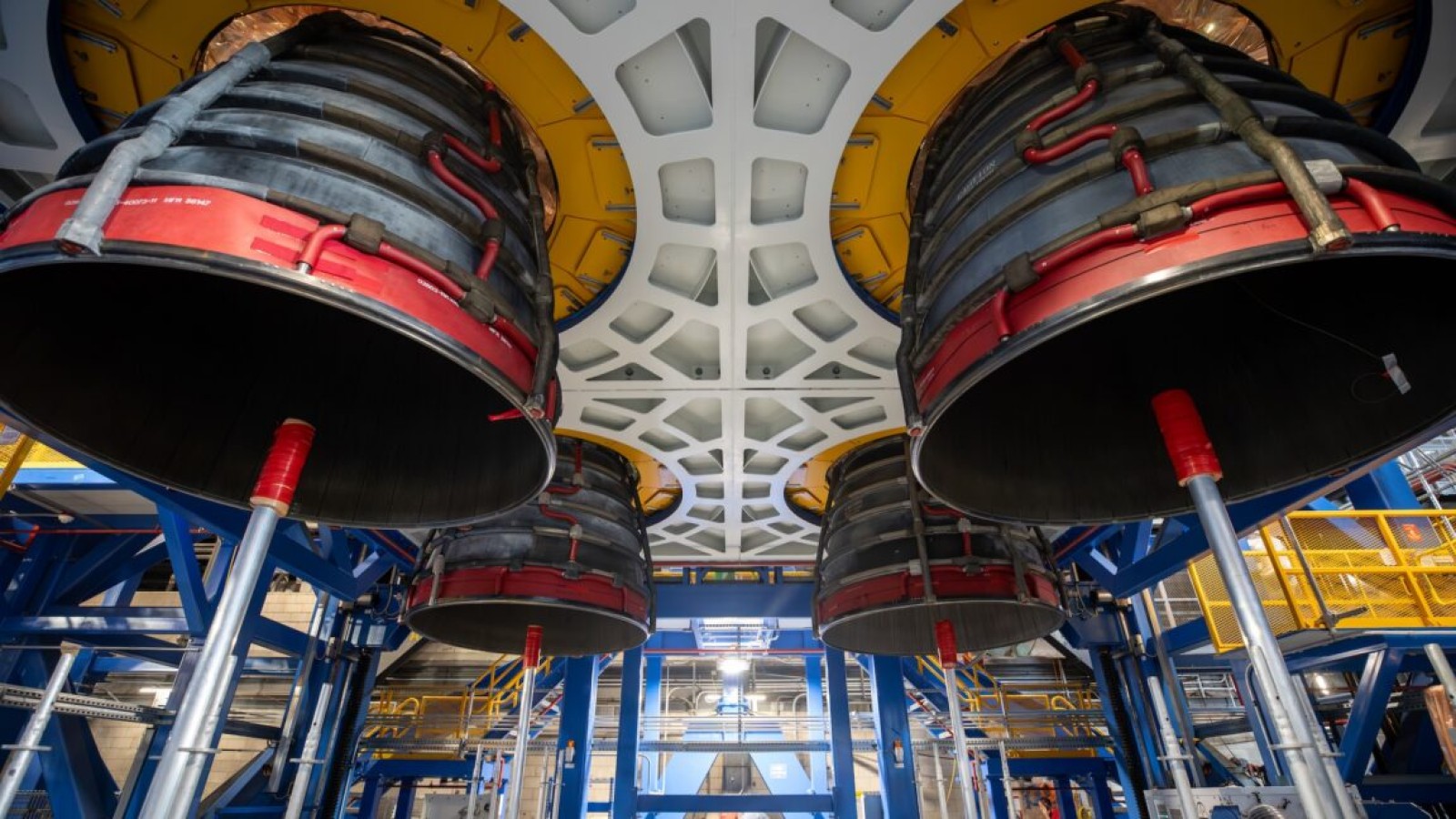
The Artemis III mission passed a hardware milestone with engines now installed on its rocket, while a series of developments across commercial spaceflight reshaped the launch landscape in 2026. Among the notable updates, Blue Origin broke ground on a new Payload Processing Facility in Florida, even as its heavy-lift New Glenn rocket remains grounded following an on-pad explosion at Cape Canaveral Space Force Station in May. The company says it is targeting a return to flight by the end of the year, though the timeline faces reasonable doubt given the extended silence around the vehicle.
European Startups Prepare Launches and Raise Fresh Capital
Germany’s Isar Aerospace is preparing another attempt to reach orbit with its two-stage Spectrum rocket. A weeklong launch window opens Friday at Andøya Spaceport in Norway, where the company plans to deliver several small CubeSats. An earlier test flight failed shortly after liftoff last year, and repeated attempts since January have been blocked by technical issues and limited availability of the northern Norway launch range.
The window arrives during a national mourning period in Norway following the death of King Harald V. Isar founder Daniel Metzler said he hopes to launch before the late king’s funeral on September 9, and the Norwegian government confirmed the mission may proceed as usual during the mourning period. Last month, Isar secured a 200 million euro (EUR 198 million) contract from the European Space Agency to support the development of new launch vehicles.
Spanish launch provider PLD Space has raised an additional 108 million euros (EUR 108 million) as it prepares for the first orbital launch attempt of its small Miura 5 rocket. The round was led by Japan’s Mitsubishi Electric Corporation and closed less than a week after PLD Space won a 159 million euro (EUR 159 million) contract through the European Space Agency’s European Launcher Challenge program, alongside Isar Aerospace and Rocket Factory Augsburg.
German provider HyImpulse also extended its Series A round by more than 50 million euros (EUR 50 million), lifting its total funding to 125 million euros (EUR 125 million). The company is preparing for the second flight of its suborbital SR75 rocket and the debut of its larger orbital-class SL1 rocket. HyImpulse did not win a contract through the European Launcher Challenge.
NASA Considers Bulk Purchasing for Future Launches
NASA is reorganizing its approach to procurement, consolidating many of its launch programs into a single office. That office is weighing block buys of launches, a strategy that could allow the agency to purchase multiple missions at once rather than contracting them individually. The move reflects a broader effort to streamline how the agency acquires launch services across its portfolio.
In other activity affecting low Earth orbit, a Chinese Long March 6C upper stage broke apart following a recent mission, adding to the growing concern over orbital debris.
Source
Image: arstechnica.com