

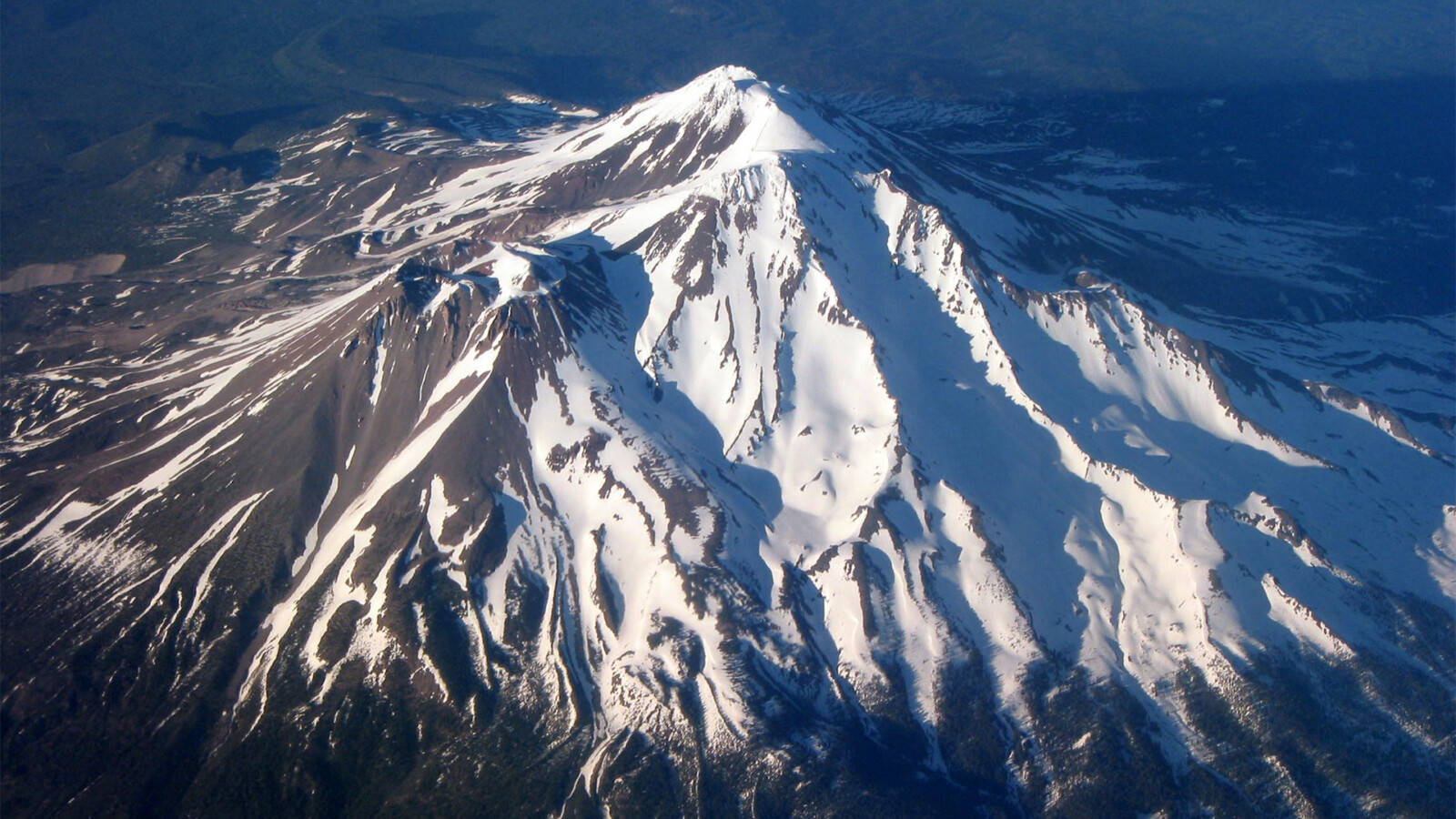
AI-generated hiking advice contributed to a dangerous three-day ordeal on California’s Mount Shasta, after three climbers planning an 8-hour summit attempt instead required a complex, multiday rescue operation. The group was finally evacuated following an injury and two failed helicopter airlifts.
The climbers began their ascent at 3 a.m. on Sunday and reached the summit of Mount Shasta, California’s fifth-highest peak, roughly 16 hours later. During the descent, one member fell and injured their leg, and the group lost its way. Rescuers safely evacuated the hikers on Monday.
How the trip went wrong
The climbers told rescuers they had planned their trip using several digital tools, including YouTube, the outdoor recreation app AllTrails, and Google Gemini. According to a Facebook post from the Siskiyou County Sheriff’s Office, leaning heavily on Gemini proved to be a “critical misstep.”
Deputies said the men reported that Gemini advised them to bring far less food and water than their group needed, a shortfall that became severe once their planned 8-hour climb stretched into a multiday event. The sheriff’s office urged the public to “never rely solely on AI for your trip planning.”
Technology failures compounded the situation. The hikers said their phone batteries died and their backup batteries would not work. With no offline maps available, the disoriented group struggled to find the correct route down. The injured hiker navigated in total darkness without a headlamp in an effort to conserve battery power, further underscoring the group’s lack of proper gear.
Google’s response
A Google representative said the company’s trust and safety team is investigating the climbing advice produced by Gemini. Google has been unable to reproduce the responses the climbers described. The representative acknowledged that Gemini can make mistakes and recommended that users check the tool’s cited sources whenever they are unsure about a result.
The climbers have not specified exactly what food and drink Gemini suggested, or in what quantities, though the sheriff’s department flagged those recommendations as a central problem. Attempts to reproduce that guidance were unsuccessful. When prompted for foods suited to a mountain climb, Gemini recommended a mix of carbohydrates, fats, and proteins. When asked for a low-fat option, it still referenced high-sodium, high-fat, calorie-dense items such as cheese and cured meats. It offered specific amounts only after being told how long the hypothetical hike would last.
Why AI planning carries risk
Artificial intelligence tools frequently omit critical details, which can leave users unprepared for real-world conditions. The consequences vary in severity, ranging from minor inconveniences to serious safety incidents like the Mount Shasta rescue.
Representatives for the US Forest Service and the Siskiyou County Sheriff’s Office did not immediately respond to requests for comment. The sheriff’s office reiterated its guidance that hikers should not depend on AI alone when planning trips into the backcountry.