
Project Zenith is Microsoft’s newest version of Windows 11 built specifically for developers, and it arrives with steep hardware demands: at least 64GB of unified memory and 250 GB/s or more of memory bandwidth. The company describes it as “a ready-to-code distraction-free Windows experience on developer-class devices,” positioning it as a workspace where coders “can jump right in.”
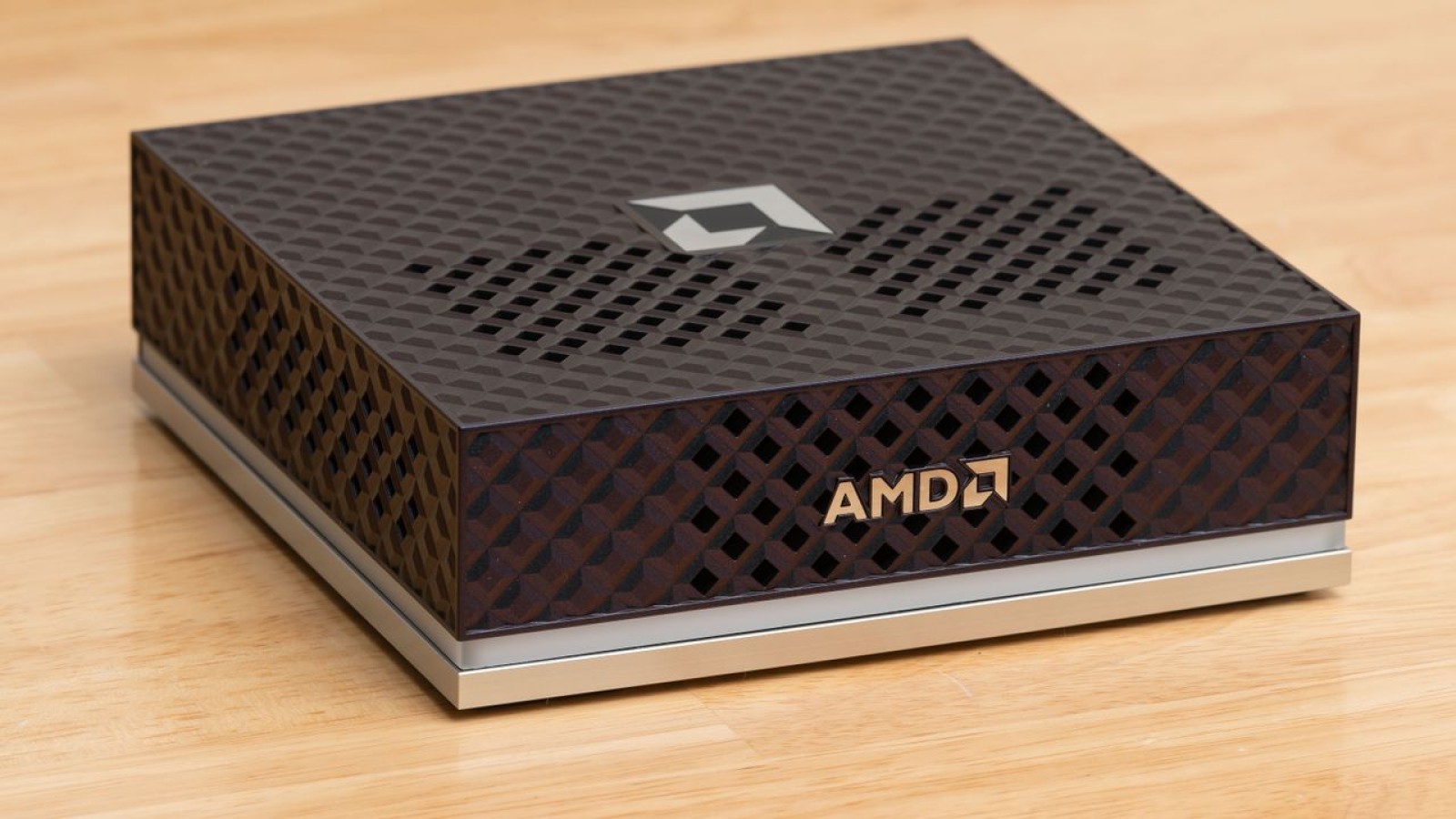
The operating system will debut on the AMD Ryzen AI Halo, Team Red’s answer to Nvidia’s DGX Spark. Microsoft has said it will expand to additional hardware from its OEM and silicon partners in the near future.
What Comes Preloaded
Rather than a bare install, Project Zenith ships with a full stack of developer tools already in place. That list includes Visual Studio Code, GitHub Copilot, PowerToys, WinAppCLI, Windows Dev Skills, Intelligent Terminal, PowerShell 7, Git, GitHub CLI, AzureCLI, Core Utils, Oh My Posh, Python 3.14 and later, uv, NVM, Node 24 and later, WSL 2 with Ubuntu, and .NET 10.
Microsoft also preconfigures Windows 11 itself so developers avoid hunting through multiple settings menus to get apps ready for their workflows. The goal is a reduced-friction environment optimized around how developers actually work.
Built for Local AI and Agents
Project Zenith is aimed squarely at AI developers. The hardware it targets is designed to run models with 30 billion or more parameters locally, without metered usage. Microsoft has added security features for building and running agents, including OS-enforced identity, containment through Microsoft Execution Containers (MXC), and enterprise-grade manageability for agents.
The release responds to what Microsoft frames as an AI token crisis, in which costs climb steeply because agents can consume roughly 1,000 times more tokens than standard AI usage. Frontier models would still run in the cloud, but developers could handle everything else on local hardware powered by this version of Windows 11. That approach is intended to help developers keep using agents without tokenized billing costs, a benefit that matters most for smaller organizations and those experimenting at home.
The Hardware Cost
The main tradeoff is price. Project Zenith currently runs only on expensive machines. The AMD Ryzen AI Halo pairs an AMD Ryzen AI Max+ 395 processor with 128GB of LPDDR5x-8000 RAM, a 2TB SSD, and integrated Radeon 8060S graphics, and it lists for EUR 3,442 at Micro Center.
Even if Microsoft eventually offers Project Zenith as a standalone purchase for other mini-PCs, the 64GB-plus unified memory requirement remains a significant barrier, particularly as RAM prices continue to climb amid heavy demand from the AI boom.
Source
Image: tomshardware.com