
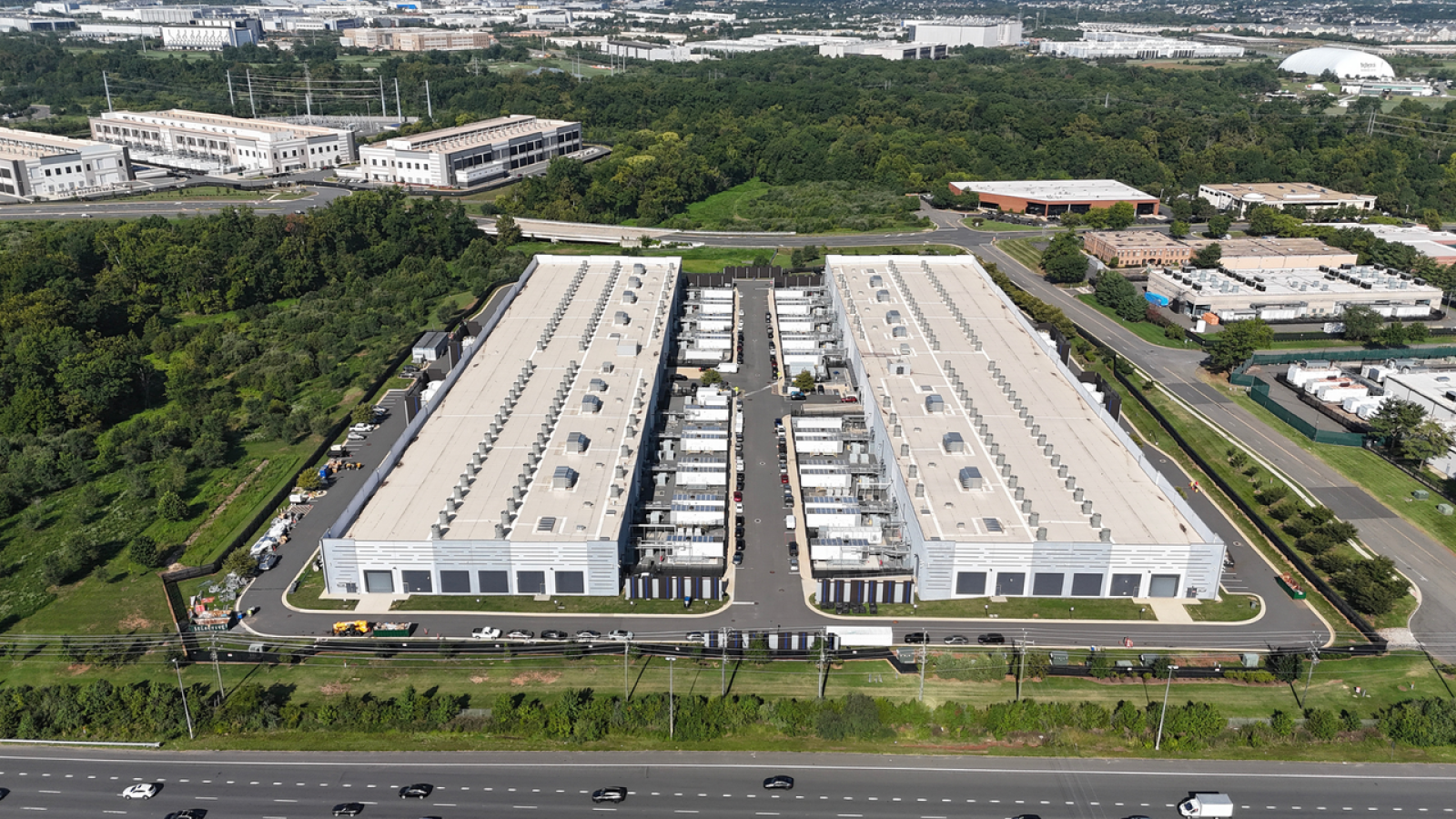
AI data center investment could reach as much as EUR 27 trillion over the next decade and a half, according to a new forecast from PricewaterhouseCoopers (PwC). More optimistic scenarios push that figure even higher, with capital expenditure potentially reaching EUR 43 trillion.
To put the scale in perspective, this level of spending exceeds what railways, electrification, or the internet each required during their initial build-outs. But there is a crucial difference. Those earlier systems were built to last for decades. AI infrastructure is not a one-time expense. Data center operators are expected to purchase new GPUs and related hardware every four to six years, turning the build-out into a recurring cycle rather than a single generational investment.
Why the AI Build-Out Keeps Resetting
The pace of hardware development is a major driver of ongoing costs. Nvidia, AMD, and other chipmakers are releasing new generations of processors every two to three years. One Google architect noted that a data center GPU has a service life of only about one to three years, prompting concern among analysts that GPU depreciation could become the next significant financial challenge for hyperscalers.
Chipmakers stand to be among the biggest beneficiaries of this spending surge. Beyond processors, other hardware sectors would gain as well, including networking equipment and the copper needed to distribute power inside facilities. PwC expressed confidence in its projection, arguing that both the capital and the demand for the expansion already exist.
Regional Spending and Growing Risks
PwC broke down projected investment by region. The United States leads with an estimated EUR 13 trillion in spending, followed by the Asia-Pacific region, including China and India, at EUR 7 trillion. Europe is expected to spend EUR 5 trillion, with the Middle East at EUR 1 trillion and Africa at EUR 220 billion.
The build-out faces notable obstacles. The report identified power availability, data sovereignty requirements, and chip supply as key constraints. U.S. data centers are projected to consume 20% of the nation’s total power supply by 2035, pushing operators toward on-site natural gas turbines. That shift has contributed to jet engine shortages, leading SpaceX to begin manufacturing turbine blades in-house to reduce delivery delays by as much as 18 months.
Geopolitical friction adds further uncertainty. Trade restrictions on rare earth elements and high-end chips could reduce the global investment forecast by 20%. Meanwhile, skepticism persists that the current AI boom may be a bubble, especially as some AI companies carry hidden debt tied to their expansion.
PwC estimates AI data center spending could reach EUR 27 trillion by 2050, with the U.S. accounting for EUR 13 trillion of that total.
Source
Image: tomshardware.com