
iPhone Cinematic mode continues to sit just short of professional usability, and a recent hands-on video experiment highlights exactly where the feature struggles. The tool is not bad by any measure. The problem is that it comes close to being genuinely useful for real-life shooting, yet has not evolved to match the enormous processing gains between the iPhone 13, which introduced the feature, and today’s models.
Cinematic mode has not been treated as a priority for updates. While that decision is understandable, the feature has clear potential as an entry point for aspiring videographers and filmmakers, particularly younger creators who may not own dedicated camera gear.
How the Cinematic Mode Test Was Set Up
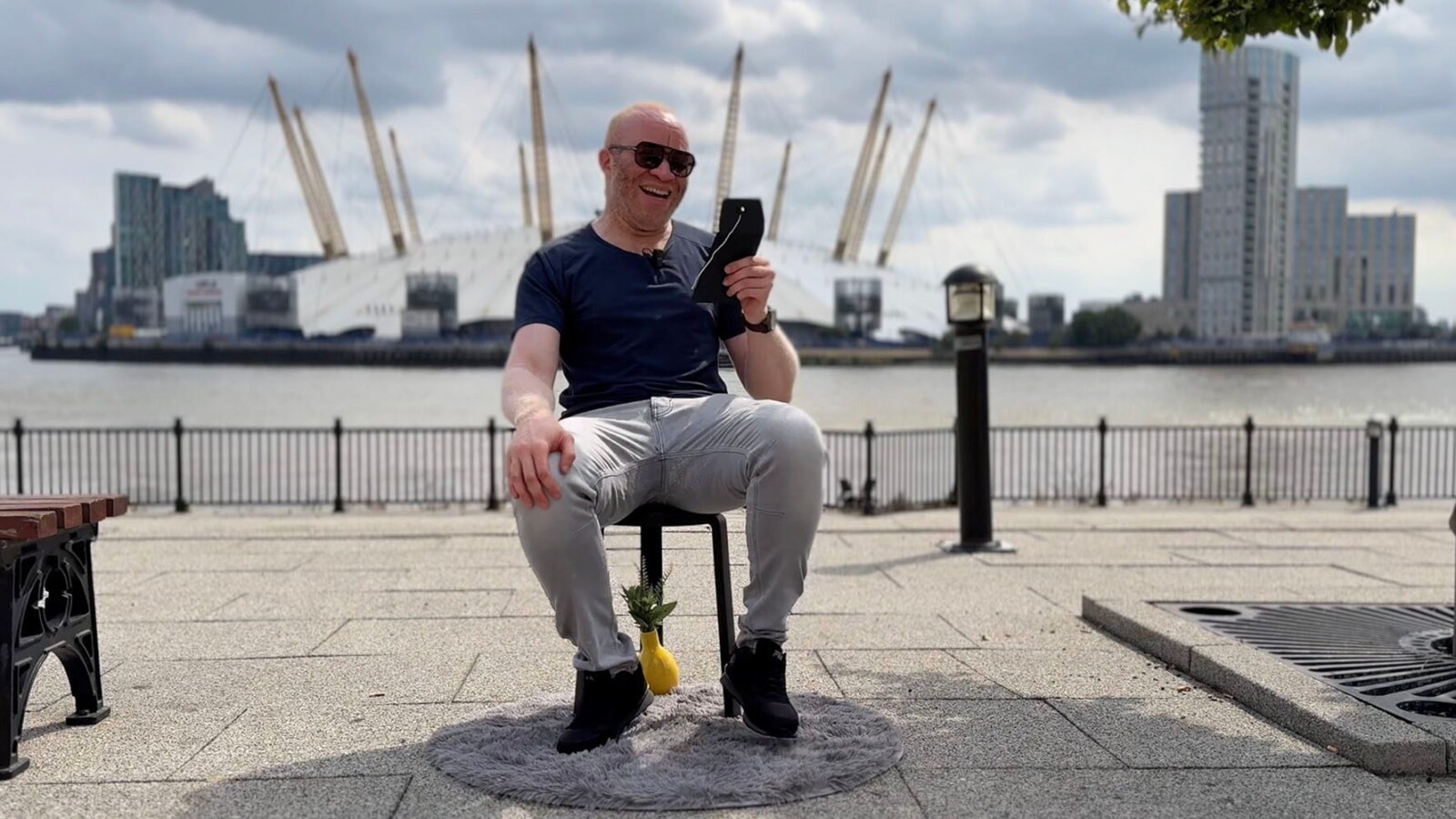
The experiment used an iPhone 16 Pro Max to film a subject seated on a stool. The setup was designed to be relatively simple: a person in the foreground with roughly 25 feet of separation from railings behind him, and close to a thousand feet to the O2 on the opposite side of the Thames. Because the subject was seated, movement was limited, reducing the demands on the system’s subject tracking.
The goal was to see whether Cinematic mode could handle a straightforward depth challenge with a clearly defined foreground and distant background.
Where the Results Fell Short
The outcome landed in a familiar place: so close yet so far. The overall look was good, but several artifacts stood out. Visible halos appeared between the subject’s legs and the railings. The O2 pylons drifted into focus at times when he moved his head in front of them. The river also occasionally snapped into focus when he opened his arms.
There is a reasonable counterpoint. The average viewer, someone who is neither a filmmaker nor familiar with how the feature works, likely will not notice these issues, and probably will not be bothered even if they do. That view may well hold true for casual audiences.
Why the Frustration Persists
For anyone with even amateur filmmaking ambitions, however, the flaws are hard to ignore, and that group is precisely the target market for the feature. The frustration is not rooted in poor quality but in unrealized potential. The neural processing capabilities in current-generation iPhone chips appear more than capable of driving a stronger version of the tool.
A properly updated Cinematic mode should be able to handle far more demanding environments than a single seated subject with a clean background. The current test involved limited movement and generous spacing between foreground and background, which represents a comparatively easy scenario for the system to process.
Source
Image: 9to5mac.com