
Political deepfakes are no longer a future threat. As the United States heads toward what promises to be a contentious midterm election in November 2026, AI-generated content that imitates candidates and public figures is already circulating, and voters need to prepare now.
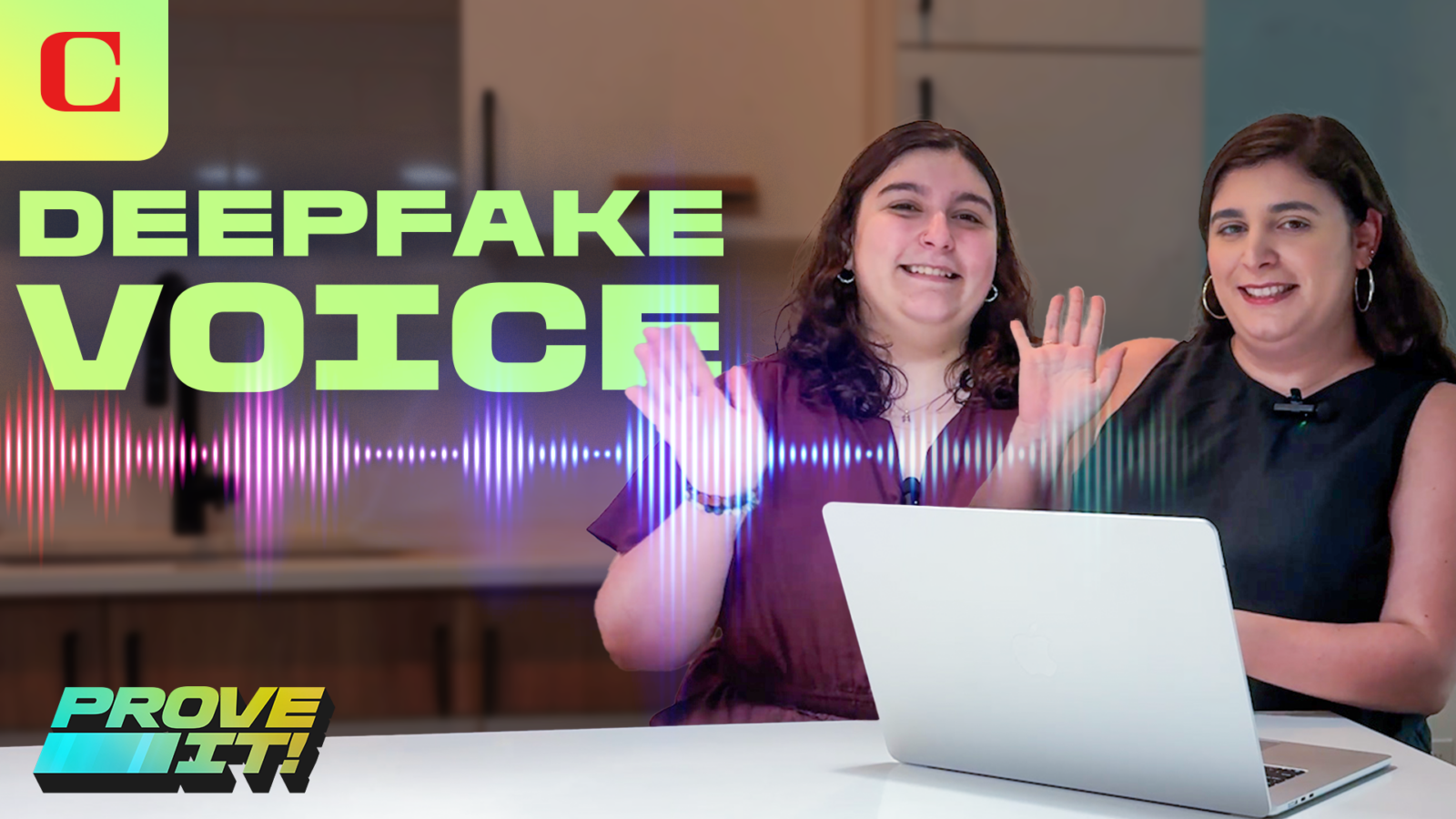
The evolution has been rapid. What started with fake photos moved to manipulated video, and now includes convincing deepfake audio. Generative AI has lowered the barrier to entry, allowing anyone to produce content that looks and sounds like a real person with a single click. This practice, known as AI impersonation, targets celebrities, public figures, and politicians alike.
Why AI-Generated Media Spreads So Fast
Synthetic media has become the norm, driven by tools from companies including OpenAI, Google, and Meta. Modern AI image and video generators can create and edit content without advanced Photoshop skills, making it easier to produce fake material and distribute it widely.
Bobby Ford, chief strategy and experience officer at Doppel, frames the problem around three factors: volume, velocity, and vectors. Tasks that once required significant time and resources for a threat actor now happen far faster, increasing both output and speed. New channels including video, audio, and email have expanded as AI tools grow more multimodal.
The purpose of this content is not always a flawless imitation. Often, the aim is simply to make people believe fake material is genuine, manipulating emotions and overriding better judgment. That capacity to influence belief carries particular weight in politics.
How AI Is Already Embedded in Elections
The 2024 primary season offered a clear warning. Thousands of voters in New Hampshire received robocalls that appeared to come from Joe Biden, urging them not to vote the night before the election. The message was an AI deepfake, and voters struggled to distinguish it from the real thing. The Biden campaign issued corrections, but the damage was already done.
Campaigns face a structural disadvantage. Michael Kaiser, president and CEO of the nonprofit Defending Digital Campaigns, noted that political operations often lack cybersecurity tools while still using the same platforms bad actors rely on to reach voters. That combination makes the environment extremely difficult to navigate.
The broader goal is to erode trust and sow chaos during and beyond election season. In July, Senator Mitch McConnell’s office released a photo of him during a hospitalization. Social media users immediately questioned whether it was authentic, with many claiming the image was old or edited with AI. Digital forensics experts found no evidence of either manipulation or age, yet suspicion had become the default response.
Ford underscored how much the timeline has compressed. A photo that would have taken him seven or eight hours to convincingly doctor two years ago can now be altered by copying it into an app and entering a plain-language prompt. Generative AI has turned a labor-intensive process into a near-instant one.