

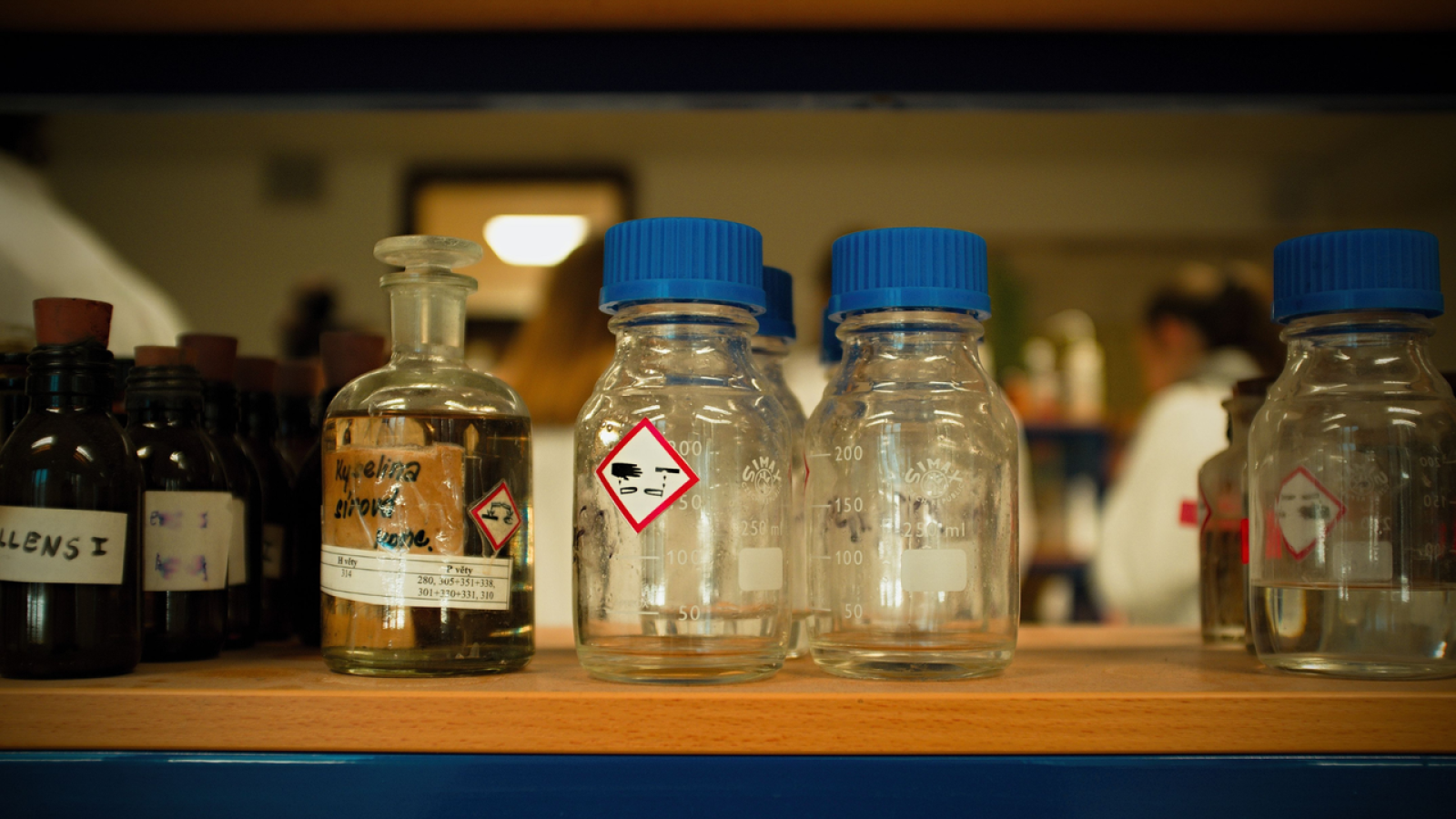
The EPA is facing a lawsuit over its approval of two new chemicals used in semiconductor manufacturing, with the environmental non-profit Earthjustice arguing the agency failed to protect workers and the public. The chemicals in question are photoacid generators, materials essential to chip production that are also described as highly toxic to humans.
According to the legal filing, exposure to these substances could lead to “sudden death,” along with a range of serious health risks including cancer, eye corrosion, neurological damage, and reproductive harm. The lawsuit alleges the approvals form “part of a broader pattern around data centers” as demand for semiconductors and AI infrastructure continues to climb in the United States.
Why the EPA Approval Is Being Challenged
Attorney Jonathan Kalmuss-Katz of Earthjustice contends that the agency approved the chemicals for import and use with minimal and non-protective restrictions. He stated that the EPA “does not know the level at which the chemicals are ‘acutely lethal’ or cause other serious health damage,” and that the substances may present an “unreasonable risk” to both workers and the general public.
Under the Toxic Substances Control Act, the EPA is required to prohibit or limit the manufacture, processing, distribution, use, or disposal of any substance that may present an unreasonable risk. Kalmuss-Katz argued that greenlighting the chemicals without adequate safeguards is “turning the new chemical review process on its head,” adding that the agency “failed at its most fundamental obligation when it comes to new chemicals.”
The approvals arrive amid a federal push to bring chip production back to American soil. President Donald Trump issued an executive order last year aimed at fast-tracking the approval of chemicals needed for data centers. It remains unclear whether these two specific substances are tied to that order.
The Forever Chemicals Problem
Beyond the immediate health and environmental concerns, the photoacid generators also appear to be PFAS, or per- and polyfluoroalkyl substances. These synthetic compounds are known for their unusually strong chemical bonds, which allow them to persist in the environment for extended periods, earning them the nickname “forever chemicals.”
The semiconductor sector has long relied on PFAS, and researchers continue working to develop methods for cleaning up these chemicals used in chip fabrication. Approving new substances without rules requiring their removal from discharges could pose lasting risks to the environment.
Similar concerns surround a separate lawsuit targeting Micron’s planned fab in New York. That case alleges the wastewater and air permits granted to the company could still allow forever chemicals to leak into the Oneida River.
Source
Image: tomshardware.com